- FAQ
- 684
Building a Distributor Network on Silicone Waterproof Coating: Kastar OEM/ODM Partnership Model
Learn how distributors can build a private-label silicone waterproof coating line through OEM/ODM partnerships, including customization, MOQ, quality control, and supply chain factors.
Building a Distributor Network on Silicone Waterproof Coating: Kastar OEM/ODM Partnership Model
Published: August 12, 2026

For distributors and contractors planning to expand their waterproofing product lines, the central question is no longer whether silicone waterproof coating is the right category, but how to build a reliable supply relationship behind it. This article explains how an OEM/ODM partnership with a silicone waterproof coating factory works in practice, and what distributors should check before signing a long-term supply agreement.
The Problem: Distributors Need More Than a Product
Building a coating distribution business or extending an existing one usually looks simple on paper: select a product, stock it, and sell it to roofing contractors and construction teams. In practice, distributors face several structural problems that a single product purchase cannot solve.
First, private-label or exclusive-brand programs require production flexibility. A distributor who sells under their own brand needs a factory that can adjust packaging, color, viscosity, and formula without disrupting quality. Second, bulk supply must be consistent across repeat orders. Third, distributors need protection for their market investment. If the same product is freely available to every other local seller, the distributor's brand position erodes quickly.
These concerns lead to a practical conclusion: the real value lies in the factory's OEM/ODM capability and its long-term attitude toward channel partners, not only in the coating itself.
Industry Context: Why Silicone Waterproof Coating Is a Strategic Category
Silicone waterproof coating has become a mainstream choice for roof, exterior wall, basement, and high-rise building protection. One of the key reasons is its durability profile. Industry data indicates that 100% silicone elastomeric coatings accounted for a 41.02% share of the composition type segment in 2025, driven by waterproofing performance and UV resistance. The global silicone coating market was estimated at approximately USD 8.77 billion in 2024, with projections reaching USD 11.27 billion by 2033. The Asia-Pacific region led the market with a 38.5% revenue share in 2025.
For a distributor, this creates both opportunity and pressure. The opportunity is clear demand from contractors who want long-service-life, weather-resistant coatings. The pressure is competition: as more regional buyers switch from acrylic and polyurethane to silicone-based systems, distributors who secure stable supply and differentiated branding earlier gain a stronger position in their local market.
Compared with acrylic waterproof coating and polyurethane waterproof coating, silicone waterproof coating offers better weather resistance, permanent elasticity, no bubbling, and no cracking. Although the material cost is roughly 5%–15% higher, long-term maintenance cost is significantly lower. This value proposition is easy for distributors to communicate to contractors and building owners.
What Distributors Should Look for in an OEM/ODM Factory
Evaluating a silicone waterproof coating OEM factory is a different exercise from comparing ready-made product prices. The following criteria are directly relevant to distributors who want to build a repeatable, branded business.
1. Production Capacity and Supply Stability
Supply stability protects the distributor's downstream commitments. When a roofing contractor schedules a project, delay in coating delivery can stall the whole job. Therefore, a factory's monthly output, raw material sourcing, and production consistency are strategic considerations.
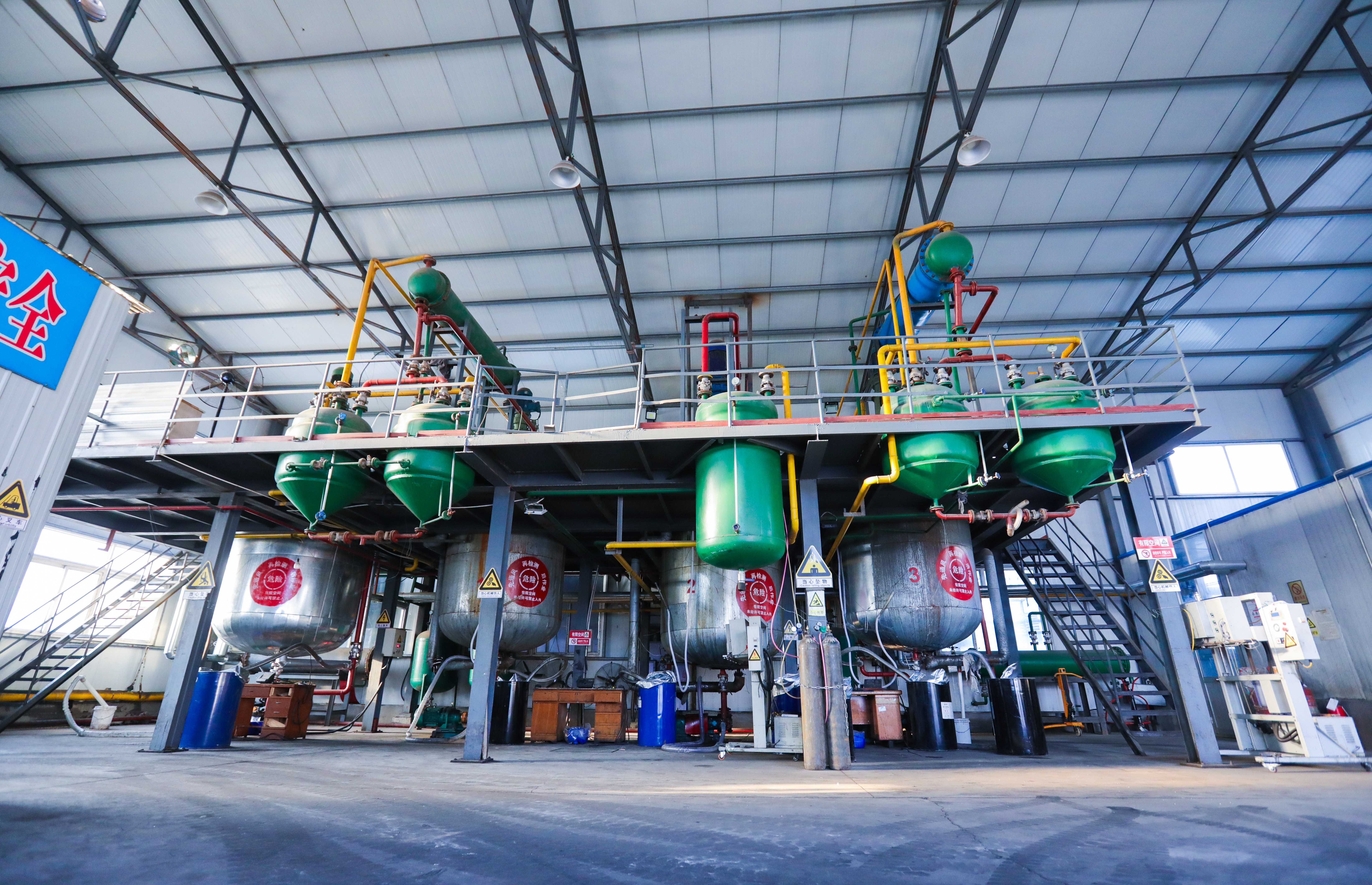
Kastar Adhesives Technologies Co., Ltd., for example, reports a monthly production capacity of 30,000 tons. The company sources raw materials globally and operates a factory area of 150,000 square meters with an annual output of 300,000 tons. These figures matter to a distributor because they indicate the factory's ability to handle bulk orders and seasonal demand spikes.
2. Customization Depth: ODM vs OEM
Distributors often confuse OEM and ODM, but the distinction affects how much of the product identity they can control.
- OEM (Original Equipment Manufacturer): the distributor provides the brand, and the factory manufactures the product according to an established formula or specification. This is the faster route for a distributor entering the market with their own label.
- ODM (Original Design Manufacturer): the factory takes a more active role in design, formula, and product development. This is useful when a distributor wants a unique formulation, different color range, or a performance profile tailored to a regional climate.
Kastar offers professional OEM/ODM services with customized color, viscosity, packaging, and formula adjustments. For a distributor, this means the product can be built around the needs of their local market rather than forcing the market to accept a generic imported product.
3. Compliance and Certification Readiness
Exporting silicone waterproof coating to different regions involves different compliance expectations. For EU-bound products, CE certification is commonly required. For other markets, buyers may request ISO9001, SGS, or REACH documentation. Kastar's products have passed ISO9001, CE, SGS, and REACH certification, and the company is a national high-tech enterprise. A distributor should verify that their intended OEM/ODM partner can produce compliant goods for their specific target market.
4. Quality Control and Batch Consistency
In branded distribution, a single defective batch can damage years of reputation. This is why the factory's quality system is a major selection criterion.
Kastar operates a 1,000㎡ China Metrology Accreditation (CMA) certified sealing material testing laboratory with 16 testing personnel and over 100 testing instruments. The company applies a 12-step full-process inspection from production to delivery and performs batch sample testing. For distributors, these are concrete signs of a factory that treats quality consistency as a process, not a promise.
5. Experience with Global Partners
A factory that already serves international buyers is more likely to understand export packaging, documentation, logistics, and remote communication.
Kastar has exported to 69 countries and regions, serving more than 1,000 customers, with 100% of its production exported. The company has completed OEM production for more than 600 clients. Export-oriented experience shortens the learning curve for a distributor entering a new partnership.
Step-by-Step: Launching a Private-Label Silicone Waterproof Coating Line
For distributors evaluating a factory partnership, the following workflow reflects a practical execution path.
Step 1: Define Your Market Positioning
Decide which application segment you want to lead: building roof, exterior wall, basement, or a broader construction waterproofing portfolio. The coating's technical parameters should match the application you intend to serve. For example, a product targeting roof and exterior wall projects should emphasize UV resistance and weather resistance.
Step 2: Request Product Specifications and Samples
Before committing to a bulk order, request the candidate factory's technical data sheet. For a silicone waterproof coating product such as Kastar 4000 Silicone Waterproof Coating, the relevant specifications include solid content, elongation at break, tensile strength, UV resistance, operating temperature range, and service life. Then evaluate samples under local conditions.
Kastar 4000 Silicone Waterproof Coating is a one-component silicone waterproof coating with a solid content of 98%, elongation at break ≥200%, tensile strength ≥1.2 MPa, UV resistance of 1,000 hours without cracking or peeling, an operating temperature range of -80°C to 180°C, and an outdoor service life of ≥25 years.
Step 3: Clarify Customization Requirements
Define your required color, viscosity, packaging size, labeling, and formula adjustments. These requirements should be documented in the early negotiation stage so the factory can confirm their ODM capability and lead time impact.
Step 4: Negotiate MOQ, Payment, and Delivery Terms
For a silicone waterproof coating bulk order, typical commercial terms should be agreed upon before production. Kastar's standard procurement conditions include a minimum order quantity of 50 buckets, FOB/CIF delivery methods, 30/70 payment terms, and pre-shipment testing. Distributors should confirm whether these terms align with their cash flow and logistics plans.
Step 5: Plan Quality Inspection and Logistics
Pre-shipment testing protects both parties. The factory should provide batch samples and test reports before shipment. For international logistics, reinforced packaging and full insurance coverage reduce transportation damage risk. Kastar uses customized palletized packaging, reinforced corrugated cartons with foam inserts, collaboration with reliable freight forwarders, full cargo insurance, pre-shipment packaging inspection, and real-time logistics tracking.
Step 6: Establish a Restocking and Reorder Process
Long-term distribution depends on predictable replenishment. A distributor should set a reorder point based on monthly sales velocity and the factory's production lead time. This avoids both stockouts and excess inventory.
Use Cases: How Different Distributors Benefit from OEM/ODM Partnerships
Use Case 1: Regional Roofing Product Distributor
A regional distributor supplying roofing contractors wants a private-label 100% silicone waterproof coating for roof applications. The distributor's key requirements are UV resistance, long service life, and branded packaging that distinguishes them from local competitors. Through an OEM program, the distributor can launch their own brand without building a factory or investing in R&D.
Use Case 2: Exterior Wall and Basement Specialist
A distributor focused on exterior walls and basement waterproofing needs a product with strong adhesion, flexibility, and weather resistance. Using ODM customization, the distributor can adjust viscosity for different application methods and select packaging formats suitable for their contractor customers. The factory's formula adjustment service becomes the key value driver.
Use Case 3: Construction Materials Importer Building a Portfolio
An importer serving multiple construction segments wants to add both silicone waterproof coating and seamless floor coating to their catalog. A factory that also produces complementary systems can simplify supplier management. Kastar's product range includes Silicone Waterproof Coating and Epoxy Color Sand Floor Coating, among other systems.
Comparison: OEM/ODM Partnership vs. Buying Finished Goods
| Dimension | OEM/ODM Partnership | Buying Finished Goods from a Distributor |
|---|---|---|
| Brand Ownership | Distributor owns the brand | Supplier or manufacturer owns the brand |
| Price Control | More room to set local pricing based on brand value | Limited by the supplier's retail or wholesale price structure |
| Product Differentiation | Color, viscosity, packaging, and formula can be adjusted | Limited to the supplier's standard product offering |
| Market Protection | Exclusive or semi-exclusive agreements can protect territory | Same product may be sold to multiple local buyers |
| Minimum Order Quantity | Higher MOQ typical (for example, 50 buckets at Kastar) | Lower MOQ per order |
| Technical Support | Factory engineers provide one-on-one construction guidance and after-sales service | Depends on the intermediary |
| Quality Traceability | Direct access to factory testing and batch records | Indirect and less transparent |
Managing the Risks in a Long-Term Coating Supply Relationship
Even with a capable OEM/ODM partner, distributors should be aware of the main risks in bulk coating procurement and how a factory's management systems reduce them.
| Risk | Control Method | Kastar's Enterprise Measures |
|---|---|---|
| Quality inconsistency | Real-time in-line quality monitoring | 12-step full-process inspection, CMA-certified testing lab, strict raw material sourcing, SGS/CE-compliant quality control, batch sampling and third-party testing, traceability management |
| Transportation damage | Reinforced packaging, shockproof cushioning, standardized logistics, full insurance coverage | Customized palletized packaging, reinforced corrugated cartons with foam inserts, reliable freight forwarders, full cargo insurance, pre-shipment packaging inspection, real-time logistics tracking |
| Improper storage | Humidity-controlled storage, palletized packaging, sealed moisture-proof containers, inventory rotation system | ISO 9001 certified warehouse management, dedicated indoor dry storage area, palletized and sealed packaging, real-time inventory monitoring, regular storage condition inspection |
| Chemical hazard | MSDS management, hazardous chemical handling protocol, ventilation, personal protective equipment | ISO 45001 certified safety management, professional chemical safety training, dedicated hazardous material storage area, SGS-tested low-odor and low-VOC formula, REACH-compliant raw materials |
For distributors, these measures answer two important questions: can this factory protect my brand from quality failure, and can it protect my cargo on the way to my warehouse?
How Kastar Supports Distributor-Exclusive OEM Programs
Kastar Adhesives Technologies Co., Ltd., founded in 1998, is a professional OEM and ODM manufacturer of coatings, paints, sealants, and adhesives. The company operates 3 national-level R&D laboratories in China, employs 28 technical R&D personnel, and provides comprehensive waterproofing solutions. It has completed OEM production for more than 600 clients, including brands such as Soudal, GP, BYP, G2500, MORRIS, and HYCHEM.
For distributors seeking exclusive or semi-exclusive arrangements, the practical starting point is to define the territory, the product SKUs, and the branding model. Distributor-exclusive OEM silicone waterproof coating programs are built on this kind of structured discussion. Kastar also supports ODM silicone waterproof coating factory customization for distributors who want a differentiated product, with services that include color, viscosity, packaging, and formula adjustments.
Kastar's support system includes professional engineers providing one-on-one construction guidance, professional customer service providing one-on-one after-sales service, and on-site technical support for large projects. The company also provides fully automated packaging equipment developed in-house, with 100% brand-new packaging, strong sealing, and long shelf life.
R&D strength is another long-term advantage. Kastar jointly develops with Tsinghua University, driven by annual technological iteration and innovation. The company participates in the formulation of Chinese standards for silicone waterproof coatings and is the drafting unit for 5 Chinese group standards, as well as an initiator and formulator of Chinese standards for silicone sealants. It holds invention patents for a device/process for silicone waterproof coatings, a method for preparing a siloxane-terminated polymer homopolymer and a moisture-curing composition, and a device/process for MS waterproof coatings.
FAQ
Do Kastar's OEM silicone waterproof coating products meet CE and other compliance requirements?
Yes. Kastar's products have passed ISO9001, CE, SGS, and REACH certification. Kastar is also a national high-tech enterprise. Distributors targeting the EU construction market can discuss CE-certified silicone waterproof coating OEM/ODM requirements with Kastar to confirm that the product documentation matches the specific destination market.
What customization options are available in Kastar's ODM silicone waterproof coating service?
Kastar's OEM/ODM services include customized color, viscosity, packaging, and formula adjustments. This allows a distributor to create a private-label product that fits local climate conditions, application methods, and customer preferences.
What is the minimum order quantity for a bulk silicone waterproof coating order?
Kastar's standard Moq is 50 buckets. Delivery methods include FOB and CIF, with 30/70 payment terms. Pre-shipment testing is included in the procurement process, which helps protect the distributor before international shipment.
How does Kastar ensure product consistency across multiple bulk orders?
Kastar applies a 12-step full-process inspection from production to delivery, conducts batch sample testing, and operates a CMA-certified testing laboratory with 16 testing personnel and over 100 testing instruments. The company also uses strict raw material sourcing and traceability management to maintain batch consistency.
Can a distributor get samples before placing a large OEM order?
Yes. The recommended process is to request product specifications and samples first, evaluate them against your local application requirements, and then confirm customization details and commercial terms. This reduces the risk of a bulk order that does not match your market's needs. If you are ready to define your private-label silicone waterproof coating line, you can contact Kastar to request a sample and a detailed OEM/ODM quotation.
Next step for distributors: Request the Kastar company brochure and product information to evaluate whether your territory and product plan can be supported.