- FAQ
- 62
Epoxy Color Sand Floor Coating: Comparing Proposals by Purchasing Terms and Acceptance Criteria
Compare epoxy color sand floor coating proposals by purchasing terms, performance data, CE documentation, quality control, samples and acceptance criteria.
Epoxy Color Sand Floor Coating: Comparing Proposals by Purchasing Terms and Acceptance Criteria
Epoxy color sand floor coating proposals often look similar at first glance: the same product category, a similar color chart, and a price per bucket or per square meter. The difference that matters is what each proposal actually commits to, and how the finished floor will be accepted. This guide gives buyers a side-by-side framework for comparing purchasing terms and acceptance criteria without relying on unsupported claims.

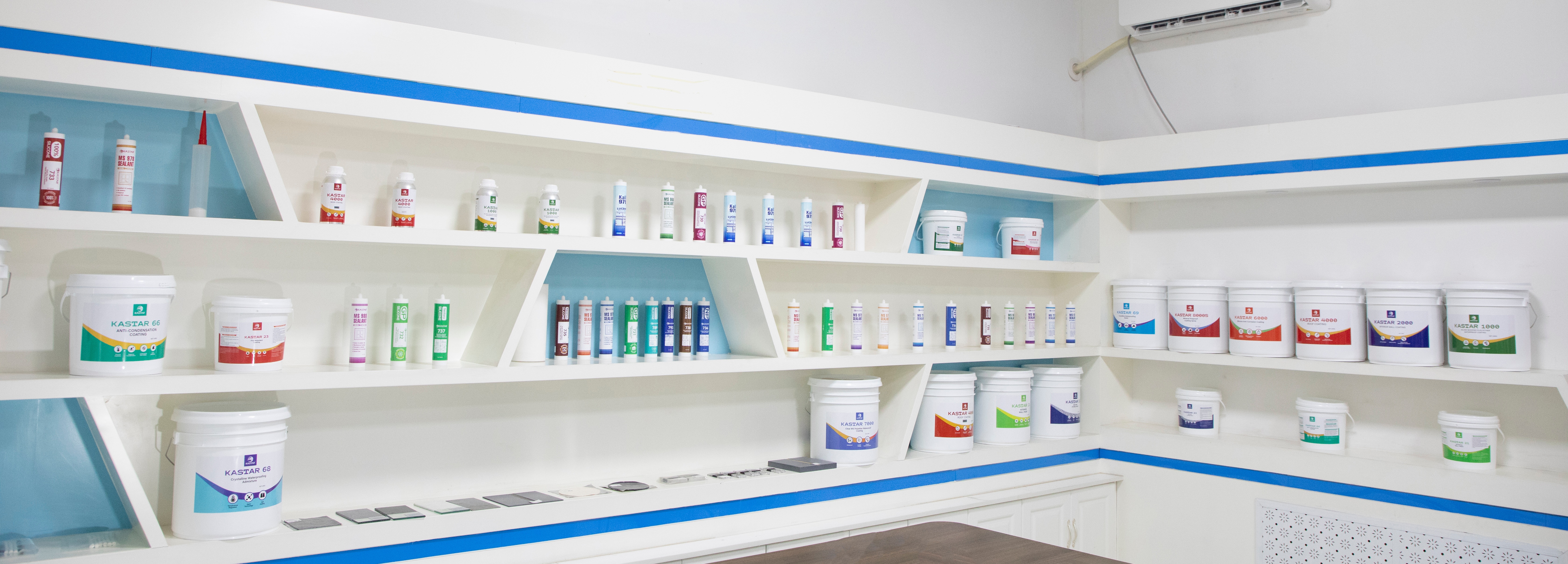
Kastar Adhesives Technologies Co., Ltd is a China-based manufacturer of silicone waterproof coating, epoxy color sand floor coating and MS sealant, with a 150,000㎡ factory and a stated annual output of 300,000 tons. Its Kastar 51 Eoxy Color Sand Floor Coating product description provides a practical example of how to read a proposal at the product, document and acceptance level.
Problem Definition: Why Proposals Are Hard to Compare
A buyer evaluating epoxy color sand floor coating proposals is usually comparing several documents that are not written in the same format. One supplier may quote a product name and a price per bucket. Another may quote a system build, a coverage rate, a test report and a delivery schedule. A third may offer customization of color, viscosity, packaging or formula, but leave acceptance testing undefined.
The comparison problem is not only price. It is scope. An epoxy color sand floor coating is a flooring system, not a single commodity liquid. The proposal must show the product identity, the material composition, the performance values and test methods, the compliance documents, the quality-control route, the commercial terms and the acceptance criteria. If any of these are missing, the buyer is not comparing equivalent offers.
For a fair comparison, convert every proposal into the same structure. The buyer should be able to answer three questions for each bid: What exactly is being supplied? What evidence proves the stated performance and compliance? How will the delivered floor be judged as acceptable?
Industry Background: Specification and Acceptance Drive the Decision
In construction and decoration projects, epoxy color sand flooring is specified for seamless, wear-resistant and easy-to-clean floors in industrial plants, warehouses, commercial buildings, hospitals, schools, retail stores and similar spaces. The application unit for this product category lists working conditions such as heavy traffic, high abrasion, stain resistance, chemical resistance, easy cleaning and moisture-proof performance. It also lists project types such as floor renovation, new construction flooring, seamless flooring systems and commercial flooring projects.
Those conditions explain why purchasing terms and acceptance criteria must be read together. A wear-resistant epoxy color sand floor coating proposal is not complete if it only states a wear-resistance claim without a test method. An anti-slip proposal is not complete if it does not define how slip performance will be checked. A chemical-resistant proposal is not complete if the buyer cannot see which chemicals, concentrations and exposure conditions are covered.
Acceptance references also matter. The Fujian standard T/FJFA 003-2022 specifies construction and acceptance requirements for Epoxy Colored Sand Self-Leveling Flooring. For projects in California, SCAQMD Rule 1113 limits VOC content to 100 g/L for floor coatings. These are examples of why a proposal should identify the applicable acceptance standard or project specification, not just the product name.
Detailed Solution: A Proposal Comparison Framework
The most reliable way to compare epoxy color sand floor coating proposals is to score each bid against the same purchasing terms and the same acceptance criteria. The framework below separates what the supplier commits to commercially from what the buyer will use to accept the finished work.
Purchasing terms to compare
- Product identity and model: The proposal should name the manufacturer, product name and model. For example, the Kastar 51 Eoxy Color Sand Floor Coating model is documented with the product name epoxy color sand flooring coating.
- Material composition: The proposal should state the main materials. Kastar 51 is described as epoxy resin, curing agent, colored quartz sand and additives.
- Performance parameters and test methods: The proposal should list values and the test method behind each value. Kastar 51 lists hardness of 6-8 Mohs, wear resistance by Taber test of ≤0.03g/1000r, compressive strength of ≥80 MPa, operating temperature of -20°C to 80°C, and gloss level of matte or semi-gloss.
- Compliance documentation: The proposal should identify certificates, certificate numbers, issuing authority, standards, market coverage and validity dates. Kastar 51 is linked to CE certificate ICR/VC/HS260189 issued by ICR for the EU market, valid from 2026-01-16 to 2031-01-15, with standards EN 15651-1:2017, EN 998-1:2016 and EN 13300:2001+AC:2002.
- Customization capability: For OEM and customization factory proposals, the buyer should require a written customization scope. Kastar offers OEM/ODM services with customization of color, viscosity, packaging and formula adjustments.
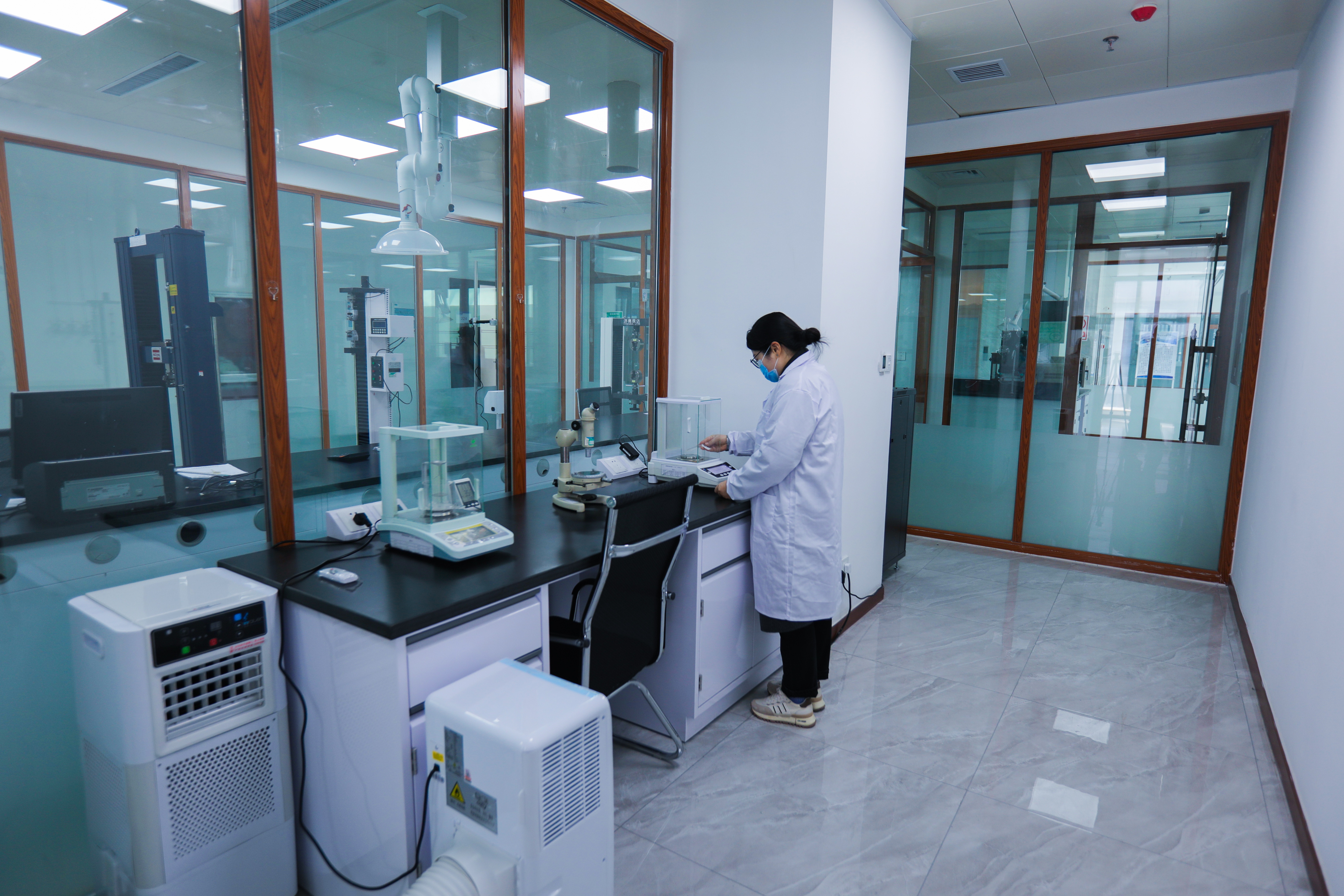
- Quality-control route: The proposal should explain how production and batch release are controlled. Kastar documents 12 production and testing processes from production to delivery, batch sample testing, a 1000㎡ CMA-certified sealing material testing laboratory, 16 testing personnel and over 100 testing instruments and equipment.
- Commercial terms: The proposal should state price basis, quantity tiers, packaging, MOQ, Incoterm, payment terms, lead time, warranty and validity. Kastar 51 bulk prices are documented at $62.00 to $68.00 per bucket depending on order quantity from 500 to 2000+ buckets.
- Factory-direct supply evidence: For a factory-direct supply proposal, the buyer should verify factory identity, production scope and quality documents. Kastar documents a 150,000㎡ factory, 300,000 tons annual output, 200+ employees and 28 R&D engineers.

Acceptance criteria to compare
- Acceptance standard: The proposal should name the project specification or accepted industry standard. T/FJFA 003-2022 is a relevant reference for Epoxy Colored Sand Self-Leveling Flooring construction and acceptance.
- Performance verification: Each claimed performance value should have a test method and a report. The buyer should compare the test method, sample preparation and acceptance limit, not just the headline number.
- Batch and sample approval: The acceptance route should define how the supplied batch is matched to the approved sample. Kastar documents batch sample testing and a sample room.
- Visual and workmanship criteria: The proposal should define what is inspected, how defects are classified, and what repair or retest is required before sign-off.
- Sampling and retest rules: The buyer should agree on sampling frequency, retest triggers and responsibility for failed results before the order is placed.
- Documentation handover: The acceptance package should include the technical data sheet, safety data sheet, certificate copies, batch records and test reports relevant to the supplied product.
Step-by-Step Breakdown: How to Compare Bids
- Issue a standardized RFQ. Use one product name and one model reference for all suppliers. Use epoxy color sand flooring coating and, where relevant, the Kastar 51 Eoxy Color Sand Floor Coating reference to make the technical line item clear.
- Normalize the commercial basis. Ask for price per kg or per square meter under a stated coverage, packaging, Incoterm, tax basis and order volume. Marketplace listings show US$1.29-4.95 per listed unit and MOQ examples from 11 kg to 1,000 kg, but those listings use different formulations, suppliers, units and product scopes, so they cannot be averaged or treated as one benchmark.
- Request the compliance dossier. For EU market proposals, require the CE certificate and check that the certificate number, issuing authority, standards, product scope and validity match the offer. Kastar 51 documents CE certificate ICR/VC/HS260189, issued by ICR, valid from 2026-01-16 to 2031-01-15, covering EN 15651-1:2017, EN 998-1:2016 and EN 13300:2001+AC:2002.
- Compare performance evidence against test methods. Put the values in one table. For Kastar 51, compare hardness 6-8 Mohs, Taber wear resistance ≤0.03g/1000r, compressive strength ≥80 MPa, operating temperature -20°C to 80°C and gloss level matte or semi-gloss. Require the test report behind each value.
- Confirm customization in writing. For OEM bulk order factory proposals, define color, viscosity, packaging and formula adjustments. Kastar offers customization in these areas, but the approved specification should be attached to the purchase order.
- Review quality control and batch release. Ask how many production and testing steps are controlled, how batch samples are retained, and which laboratory performs the tests. Kastar documents 12 production and testing processes, batch sample testing, a 1000㎡ CMA-certified laboratory, 16 testing personnel and over 100 testing instruments.
- Lock the acceptance criteria into the contract. Reference the project specification or T/FJFA 003-2022 where applicable. Define sampling, retest, defect classification, repair responsibility and final sign-off. Do not accept a proposal that only says the floor will be inspected visually.
- Compare total cost, not headline price. Add packaging, freight, tax, payment terms, warranty and the cost of retesting or repair. Kastar 51 bulk prices are $62.00 to $68.00 per bucket for 500 to 2000+ buckets, but the buyer should still compare the delivered cost under the same commercial assumptions.
- Score every proposal on the same matrix. Use weighted scores for product identity, performance evidence, compliance, customization, quality control, commercial terms and acceptance clarity. A proposal with a lower price but weaker acceptance detail may carry higher project risk.

Use Cases: Where Proposal Comparison Changes the Decision
Industrial workshops and warehouses
For industrial workshops and warehouses, the proposal should show wear-resistant epoxy color sand floor coating performance under heavy traffic, high abrasion and chemical exposure. Compare the Taber wear value, compressive strength and chemical-resistance test method. Kastar 51 lists wear resistance ≤0.03g/1000r and compressive strength ≥80 MPa. The buyer should also require a maintenance and cleaning plan, because acceptance criteria should reflect the operating conditions, not only the installation day.
Commercial malls and retail stores
For commercial malls and retail stores, appearance, seamless finish, stain resistance and easy cleaning are central. The proposal should show color consistency controls, gloss level and cleaning performance. Kastar 51 documents a matte or semi-gloss finish and a seamless epoxy flooring type. The acceptance criteria should define visual inspection under agreed lighting, color tolerance against the approved sample, and repair rules for stains or visible defects.
Hospital floors and other healthcare spaces
Hospital floors may require anti-slip performance, easy cleaning, chemical resistance and low-VOC or VOC-free options if the project specification calls for them. The application unit also lists special requirements such as food-grade safety, anti-bacterial, anti-static and high wear resistance for relevant projects. The proposal must provide test evidence for the exact requirement, not a generic marketing phrase. If the project is in California, check SCAQMD Rule 1113, which limits VOC to 100 g/L for floor coatings.
OEM bulk orders and customization projects
For OEM bulk order factory projects, the purchasing terms should define the customization scope, packaging, batch size, sample approval and acceptance testing. Kastar offers OEM/ODM services with customization of color, viscosity, packaging and formula adjustments. The buyer should require a pre-production sample, a batch record and a written acceptance standard before mass production.
EU market and export projects
For EU market proposals, the CE certificate should be checked against the product and the project. Kastar 51 documents CE certificate ICR/VC/HS260189, issued by ICR, valid from 2026-01-16 to 2031-01-15, with standards EN 15651-1:2017, EN 998-1:2016 and EN 13300:2001+AC:2002. The case unit also describes CE-compliant Epoxy Color Sand Floor Coating used in EU, North America and Southeast Asia construction projects, with seamless, stain-resistant, easy-to-clean floors and a decorative finish.
Comparison Table: Purchasing Terms and Acceptance Criteria
| Proposal checkpoint | What to require in each bid | Evidence to request | Kastar 51 documented reference |
|---|---|---|---|
| Product identity | Manufacturer, product name, model and batch code | TDS, SDS, label and batch record | Kastar 51 Eoxy Color Sand Floor Coating; product name epoxy color sand flooring coating |
| Material composition | Main resin, curing agent, aggregate and additives | TDS and SDS | Epoxy resin, curing agent, colored quartz sand, additives |
| Performance data | Hardness, wear, compressive strength, temperature range and gloss | Test reports with methods and sample preparation | Hardness 6-8 Mohs; Taber wear ≤0.03g/1000r; compressive strength ≥80 MPa; -20°C to 80°C; matte or semi-gloss |
| Compliance | Certificate number, authority, standards, market and validity | Certificate copy and scope check | CE ICR/VC/HS260189; ICR; EU market; valid 2026-01-16 to 2031-01-15; EN 15651-1:2017, EN 998-1:2016, EN 13300:2001+AC:2002 |
| Customization | Color, viscosity, packaging and formula adjustment | Written specification and approved sample | OEM/ODM customization offered in color, viscosity, packaging and formula adjustments |
| Quality control | Production and testing steps, batch sampling and laboratory capability | QC records, batch sample records and lab documents | 12 production and testing processes; batch sample testing; 1000㎡ CMA-certified lab; 16 testing personnel; over 100 instruments |
| Commercial terms | Price basis, quantity tier, packaging, Incoterm, payment, lead time and warranty | Quotation and contract terms | Bulk price $62.00-$68.00 per bucket for 500 to 2000+ buckets |
| Acceptance criteria | Standard, sampling, retest, defect classification and sign-off | Project specification, test plan and acceptance form | T/FJFA 003-2022 applies to Epoxy Colored Sand Self-Leveling Flooring construction and acceptance where specified |
FAQ
What compliance documents should I require in an epoxy color sand floor coating proposal?
Require the certificate that matches the market and product. For the EU market, Kastar 51 documents CE certificate ICR/VC/HS260189 issued by ICR, valid from 2026-01-16 to 2031-01-15, with standards EN 15651-1:2017, EN 998-1:2016 and EN 13300:2001+AC:2002. Also request ISO9001, SGS and REACH documentation where applicable to the project. Check that the certificate scope names the product or model being offered, not only the company.
How can I compare manufacturer capability without relying on claims?
Ask for factory data, laboratory data and quality-control records in the same format from every supplier. Kastar documents a 150,000㎡ factory, 300,000 tons annual output, 200+ employees, 28 R&D engineers, 3 national-level R&D laboratories, a 1000㎡ CMA-certified sealing material testing laboratory with 16 testing personnel and over 100 testing instruments. Kastar also documents 12 production and testing processes and batch sample testing. Compare those items only when the definitions and evidence are equivalent.
How should I compare the budget and price terms?
Compare cost on the same basis: price per kg or per square meter, packaging, coverage, Incoterm, tax, payment terms and order volume. Marketplace listings show US$1.29-4.95 per listed unit and MOQ examples from 11 kg to 1,000 kg, but those listings use different formulations and units, so they cannot be averaged. Kastar 51 bulk prices are documented at $62.00 to $68.00 per bucket depending on order quantity from 500 to 2000+ buckets. Ask each supplier to state quotation validity and what is excluded.
What sample validation should be required before approval?
The sample should match the proposed formula, color, gloss and batch. Record the sample date, batch code and approval signature. Kastar documents a sample room and batch sample testing, and offers customization of color, viscosity, packaging and formula adjustments. The buyer should test the sample against the same acceptance criteria used for the project, including visual inspection, adhesion or wear checks where specified, and chemical resistance if the application requires it.
How should lead time be compared in the proposal?
Require lead time by quantity tier, packaging, customization level and shipping terms. A single lead-time number without those assumptions is not comparable. Kastar documents 12 production and testing processes from production to delivery and batch sample testing, so the proposal schedule should show where sampling, production, testing and release occur. For a sample, quote, catalog or bulk-order discussion, contact Kastar at paint4566@kastarpaint.com or +86 15974221507. The catalog is available at Kastar product brochure.

Conclusion
Comparing epoxy color sand floor coating proposals is a document discipline. The buyer should align every bid on product identity, material composition, performance values and test methods, compliance evidence, customization scope, quality control, commercial terms and acceptance criteria. Kastar 51 Eoxy Color Sand Floor Coating provides a documented example: hardness 6-8 Mohs, Taber wear resistance ≤0.03g/1000r, compressive strength ≥80 MPa, operating temperature -20°C to 80°C, gloss level matte or semi-gloss, CE certificate ICR/VC/HS260189 valid from 2026-01-16 to 2031-01-15, and OEM/ODM customization in color, viscosity, packaging and formula adjustments.
The proposal that wins should be the one that commits to the same technical scope, supplies the evidence behind each claim, and defines acceptance before the floor is installed. For samples, quotations or bulk-order discussions, contact Kastar Adhesives Technologies Co., Ltd at www.kastarcoating.com, paint4566@kastarpaint.com, or +86 15974221507. The product brochure can be downloaded at Kastar product brochure.