- FAQ
- 499
Evaluating a Silicone Coating Factory's Capabilities: 5 Core Checks Before You Commit
Five checks for evaluating a silicone waterproof coating factory: standard authorship, ISO 9001 and CMA lab evidence, OEM/ODM depth, CE/REACH compliance and lead time.
Evaluating a Silicone Coating Factory's Capabilities: 5 Core Checks Before You Commit
The short answer: before you commit an OEM or bulk order to a silicone waterproof coating factory, verify five things — (1) whether the factory helps write the standards it produces to, (2) whether its quality claims are backed by an accredited in-house laboratory and a certified production and storage environment, (3) how deep its OEM/ODM customization actually goes, (4) whether its compliance file survives an import review, and (5) whether it can support the project after the container has shipped. Each check has a document behind it. A factory that answers all five with documents rather than adjectives is a factory that can carry a multi-year supply commitment.
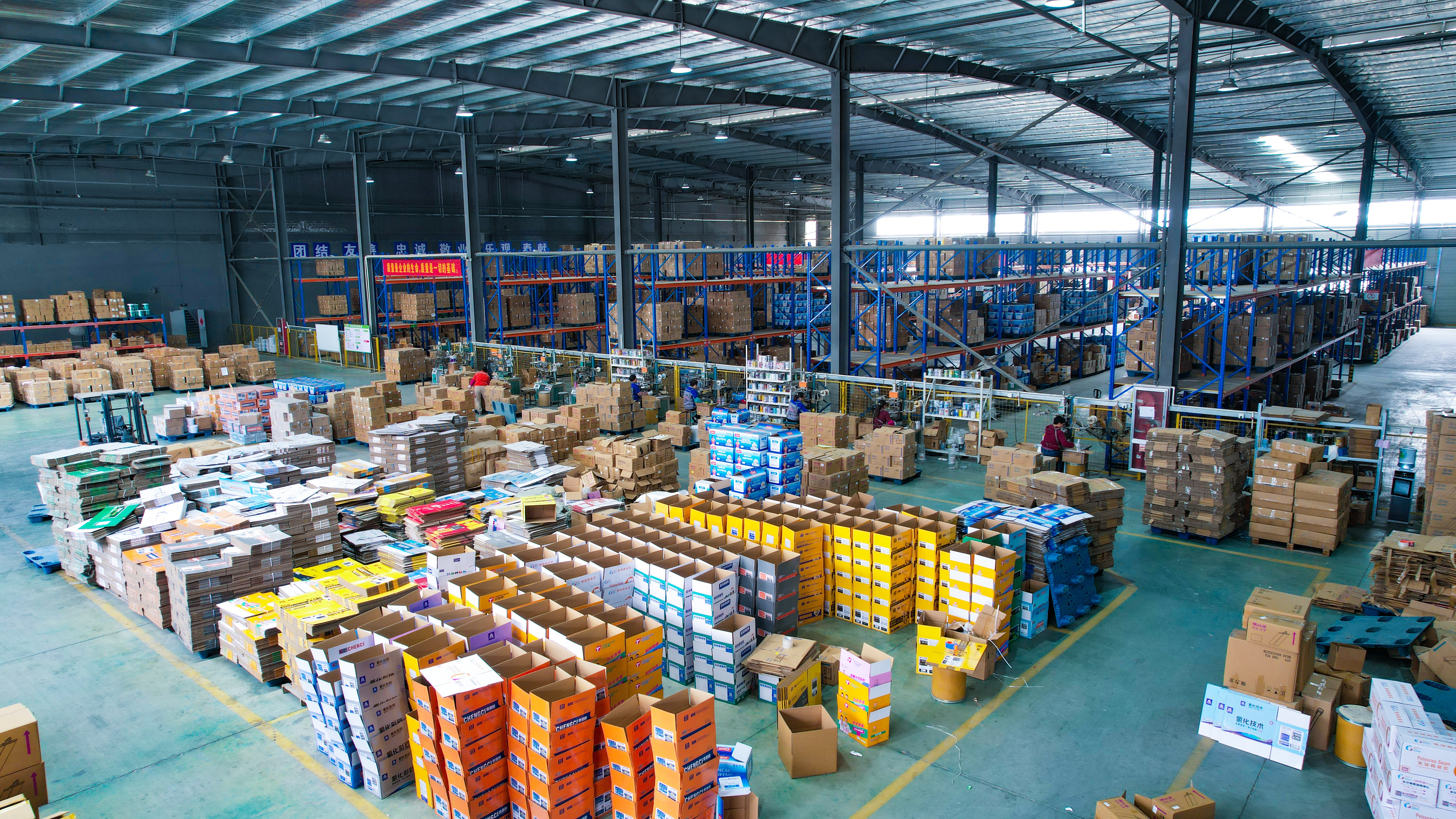
This evaluation framework is written for importers, distributors, roofing and waterproofing contractors, and private-label owners who are past the awareness stage and are now comparing real factories. It is a procurement framework, not a product catalogue: every check below is phrased as something you request, read, or test before you place the deposit. Where a worked example helps, the article uses documentation from Kastar Adhesives Technologies Co., Ltd (“Kastar”), a China-based manufacturer of silicone waterproof coating, epoxy color sand floor coating and MS sealant. Kastar operates a 150,000 m² factory in China, exports 100% of its output, and serves markets including the United States, Canada, Australia and New Zealand through its site kastarcoating.com.
Why Silicone Waterproof Coating Factory Evaluation Goes Wrong
Factory evaluation rarely fails because the buyer is careless. It fails because the buyer evaluates the wrong object. Two patterns repeat across sourcing projects.
First, the buyer evaluates the product instead of the entity. A sample cup of coating can look and behave identically whether it came from a factory with its own resin capability or from a trading desk that buys finished drums and re-labels them. The product passes the sample test; the entity fails the supply test. When volumes rise, the second shipment is a different formulation, the third is late, and there is no technical owner to escalate to.
Second, the buyer accepts certificates instead of the evidence chain behind them. An ISO 9001 or CE document tells you a management system or a product type was assessed against a scope. It does not tell you who tested the batch, on what instrument, at what frequency, or whether the certified scope covers the warehouse your pallets will sit in. The gap between “we are certified” and “here is the scope statement and the test record” is exactly where project risk accumulates.
The consequence is measurable after the fact. Waterproofing failures on roofs, basement walls and exterior façades are typically discovered one to two seasons after application, when the coating has already been covered, finished, or built over. Remediation on a completed project costs far more than the material, because it includes access, removal, re-application and schedule impact. That is the cost structure the five checks below are designed to prevent.
What the Silicone Coating Market Looks Like Going Into 2026
The category a buyer is sourcing into is large, growing, and increasingly concentrated on 100% silicone chemistries for exposed, long-life surfaces.
- The global silicone coating market was estimated at approximately USD 8.77 billion in 2024 and is projected to reach USD 11.27 billion by 2033 (Grand View Research).
- Silicone roof coatings specifically were valued at USD 7.03 billion in 2024, making roofing the dominant sub-segment of the wider category (Credence Research).
- Asia-Pacific held a 38.5% revenue share of the silicone coating market in 2025, driven by construction and automotive demand (Dataintelo).
- 100% silicone elastomeric coatings accounted for 41.02% of the composition-type segment in 2025, a share attributed to their waterproofing and UV resistance (Mordor Intelligence).
Two technical standards shape how construction buyers specify in this category. Silicone sealants and coatings used in construction must typically comply with ASTM C920 (Standard Specification for Elastomeric Joint Sealants) or ASTM C1184 for structural applications. On the environmental side, solvent-less and UV-cured silicone formulations can reduce VOC emissions by 60–80% compared with traditional solvent-based platforms — a figure that increasingly appears in tender documents in the EU and North America.
The service conditions are equally clear, and they define what a factory must be able to formulate for. Silicone waterproof coating for construction is designed for environments involving high temperature, UV exposure, rain and humidity, structural expansion, and freeze-thaw cycles. Roof and exterior wall applications in North America, Northern Europe and Oceania combine UV intensity with seasonal freeze-thaw movement; basement and underground structures add standing water and low-ventilation curing. A factory that cannot discuss these conditions by name is not evaluating your project — it is quoting a drum.
The Five Core Checks in Detail
The checks are ordered by how difficult they are to fake. The first two are structural: they tell you what kind of organization you are dealing with. The last three are operational: they tell you what happens after you sign.
Check 1 — Does the factory help write the standards it produces to?
This is the check most buyers skip, and it is the single most informative one. A factory that participates in the drafting of national or group standards has had its formulation and testing methods reviewed by other industry parties — not audited once by a customer, but scrutinized repeatedly by peers.
Kastar states that it is a participant in the formulation of Chinese standards for silicone waterproof coatings and the drafting unit for 5 Chinese group standards, as well as the initiator and formulator of Chinese standards for silicone sealants. The company also holds invention patents covering a device and process for silicone waterproof coatings, a method for preparing a siloxane-terminated polymer homopolymer and a moisture-curing composition, and a device and process for MS waterproof coatings.
What to request: the published standard documents with the factory named among the drafting units, and patent numbers you can look up independently. What it removes: the risk of buying from a toll-blender that re-labels a purchased base and cannot reformulate when a substrate or climate changes.
Check 2 — Is there an accredited laboratory and a certified warehouse behind the certificate?
Certificates describe a system. Laboratories produce evidence. You want both, and you want to see where each one applies.
Kastar’s factories are ISO 9001 certified and qualified as a national high-tech enterprise, and its products have obtained SGS, REACH and ISO 9001 certifications as well as CE. Behind those documents sits a 1,000 m² China Metrology Accreditation (CMA) certified sealing material testing laboratory with 16 testing personnel and more than 100 testing instruments and equipment. The company operates 3 national-level R&D laboratories in China with 28 technical R&D personnel, and describes 12 production and testing processes from production through to delivery, with batch sample testing at each stage and 100% testing of output.
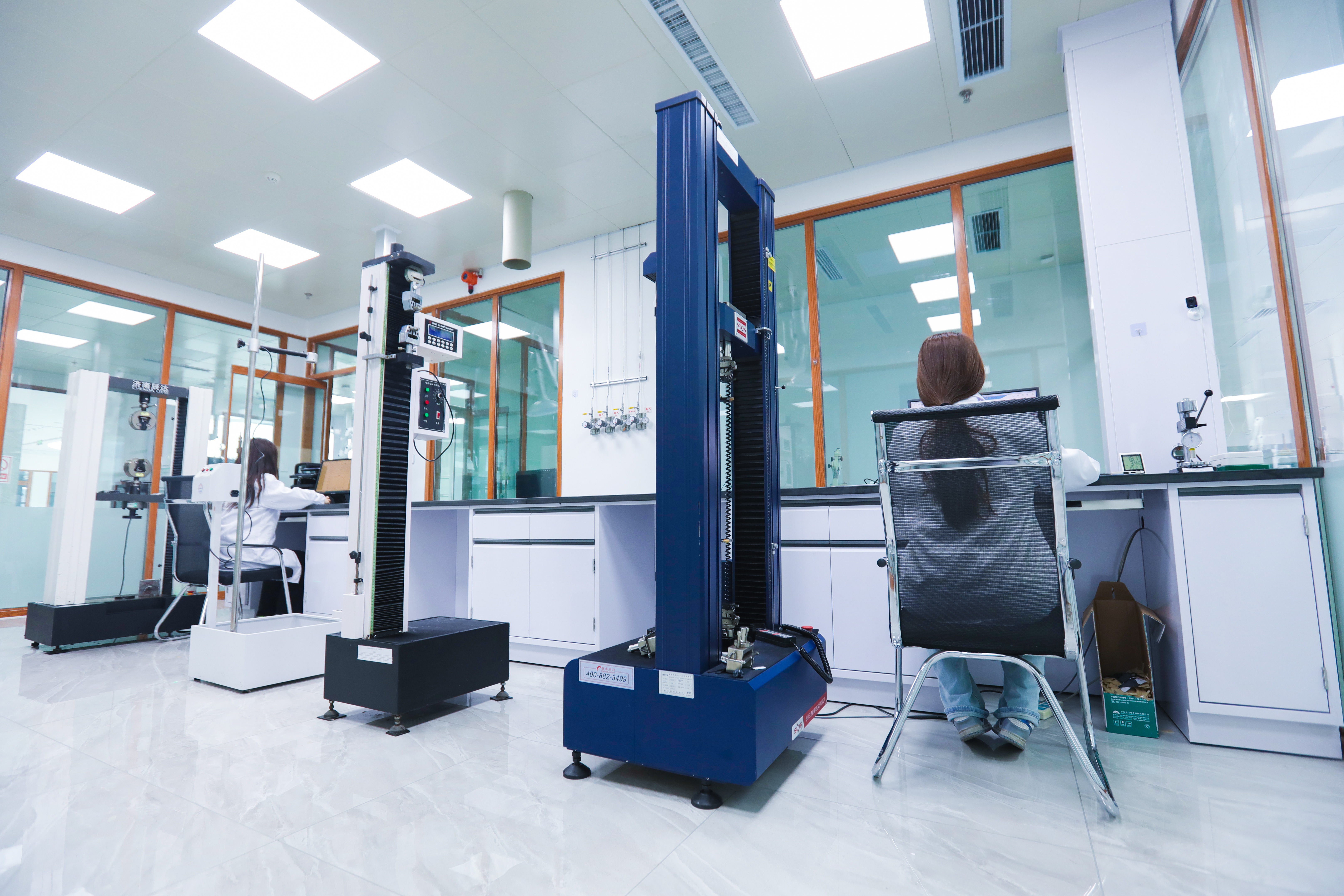
What to request: the ISO 9001 certificate with its scope statement, the CMA accreditation for the laboratory, and a batch test report for the exact product you intend to order. Confirm explicitly that the certified scope covers the production site and the warehouse where your goods will be stored. What it removes: the scenario where your shipment is manufactured correctly but stored, staged or re-palletised in a way that compromises it before loading.
Check 3 — How much of the product can actually be customized?
OEM and ODM are used loosely in the coatings trade. For a distributor or private-label owner, the question is not whether a factory says “OEM available” but which variables it can change without destroying performance.
Kastar provides OEM/ODM services with customization across color, viscosity, packaging and formula adjustments, alongside logo, size and formulation options. Commercial parameters matter as much as technical ones here: a stated minimum order quantity of 100 buckets, a monthly capacity of 30,000 tons, an annual output of 300,000 tons, and a lead time of 15–20 days. Packaging is run on automated packaging equipment developed and produced in-house, using 100% brand-new packaging for sealing integrity and shelf life.

What to request: a written customization matrix showing which parameters can be changed, which require reformulation and re-validation, and what MOQ applies to each change. What it removes: the situation where your private-label color or viscosity is achievable in the sample but not repeatable in production.
Check 4 — Will the compliance file survive an import review?
Compliance is where an otherwise good sourcing decision stalls at the port. The practical question is not whether a factory mentions certifications, but whether it can assemble a complete file for your destination market, on your product, in your packaging language.
Kastar products hold SGS, REACH and ISO 9001 certifications together with CE, and the company is qualified as a national high-tech enterprise. Its export record covers 69 countries and regions, more than 1,000 customers, and OEM production completed for more than 600 clients. It has held Alibaba Gold Supplier status for 19 years. For construction projects, the specification context is ASTM C920 or ASTM C1184 for elastomeric and structural applications, and the VOC profile of solvent-less, UV-cured silicone systems (a 60–80% reduction versus solvent-based platforms) is increasingly requested in EU and North American tenders.
What to request: current certificate copies with expiry or validity dates, a REACH statement covering the specific formulation, and a CE declaration matching the product code on the invoice. What it removes: customs holds, re-testing costs at destination, and tender disqualification on documentation grounds.
Check 5 — Can the factory support the project after the shipment?
Post-shipment support is the cheapest insurance in the entire transaction and the hardest thing to add retroactively. It also directly affects whether the coating performs, because silicone waterproofing is unforgiving of application errors on surface preparation, priming, thickness and curing conditions.
Kastar provides professional engineers for one-on-one construction guidance, one-on-one after-sales service through dedicated customer service staff, and on-site technical support for large projects, with remote support as the standard channel. Product performance is defined for the conditions the coating will actually meet: the product operates under high temperature, UV exposure, rain and humidity, structural expansion, and freeze-thaw cycles, and is designed for environments involving freeze-thaw cycles and structural expansion. In technical terms, the one-component silicone waterproof coating model Kastar 4000 carries a solid content of 98%, elongation at break of ≥200%, tensile strength of ≥1.2 MPa, UV resistance of 1,000 hours with no cracking or peeling, an operating temperature range of −80°C to 180°C, and a service life of 25 years or more outdoors.
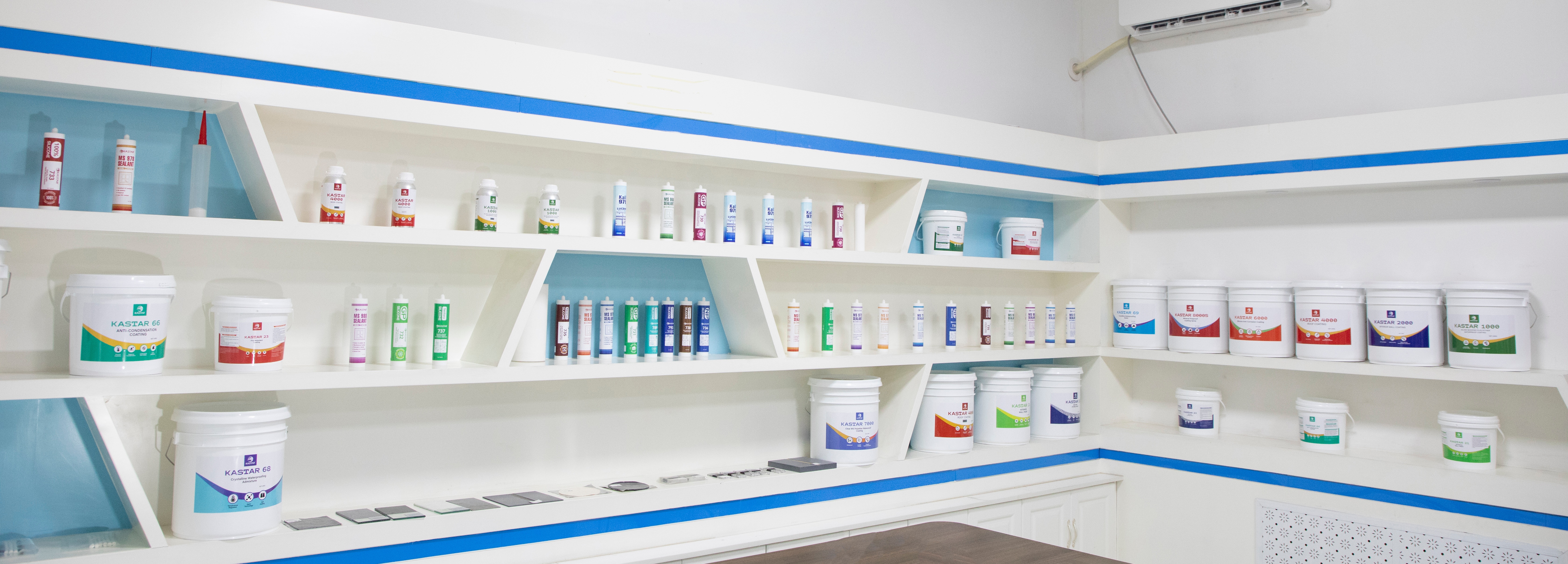
What to request: a named technical contact, a written application guideline for your substrate, and the escalation path for a site issue. What it removes: the scenario where a leak is blamed on the material and there is no technical party able to determine whether it was preparation, thickness or cure.
Step-by-Step: Running the Five Checks in Three Weeks
The framework only works if it is sequenced. Running all five checks in parallel produces a folder of PDFs and no decision. Run them in this order.
- Week 1, Step 1 — Entity and scope documents. Request the business licence, the ISO 9001 certificate with scope statement, the national high-tech enterprise qualification, and the standard-drafting or patent references. Read the scope statement before you read anything else.
- Week 1, Step 2 — Laboratory evidence. Request the CMA laboratory accreditation, the list of testing instruments, and one recent batch test report for the product family you intend to buy. Confirm the lab facility name matches the accreditation.
- Week 2, Step 3 — Sample on your substrate. Apply the sample to the same substrate and exposure condition as the project — roof membrane, mineral exterior wall, concrete basement, or expansion joint — and record adhesion, cure time and coverage.
- Week 2, Step 4 — Pilot and batch consistency. Ask how batch sample testing is performed across the 12 production and testing stages, and request the retention sample protocol so you can compare your incoming batch against the approved sample.
- Week 3, Step 5 — Commercial confirmation. Lock the specification, the customization matrix, the MOQ (100 buckets as a reference point), the lead time (15–20 days) and the packaging format in writing. Confirm the monthly capacity of 30,000 tons is sufficient for your peak season, not just your first order.
- Week 3, Step 6 — Support and continuity. Name the technical contact, confirm the on-site support conditions for projects above a stated size, and agree how formulation changes will be communicated and re-validated over the life of the agreement.
Decision rule: if a factory can complete Steps 1 and 2 with verifiable documents, it is worth spending Weeks 2 and 3 on samples and commercial terms. If it cannot, the sample is irrelevant — you would be testing a cup, not a supply chain.
Where These Checks Pay Off: Project and Channel Scenarios
The five checks are not equally weighted for every buyer. Their relative importance shifts with the application and with your position in the channel.
Roof waterproofing projects. The dominant stressors are UV exposure and high temperature, and the project economics depend on service life. A one-component, UV-resistant silicone waterproof coating specified for a 25-year outdoor service life changes the maintenance budget across the whole building lifecycle. Here, Checks 1 and 5 matter most: formulation authorship determines whether the UV performance is engineered rather than blended, and post-application support determines whether the 1,000-hour no-cracking, no-peeling UV profile survives real site conditions.
Exterior wall waterproofing. Walls move. The working conditions include structural expansion, rain and humidity, and freeze-thaw cycles, so crack-bridging behaviour and elongation (≥200% for the Kastar 4000 specification) become the deciding parameters. Check 2 is the critical one: you want the batch tested, not the brochure quoted.
Basement and underground structures. Standing water, low drying potential and structural movement make this the least tolerant application. Buyers should treat Check 3 as decisive — if the factory cannot adjust viscosity and solids for application method (roller, brush, spray), the same product will underperform across different site crews.
Expansion joint sealing and wet areas. Joints and bathroom or balcony waterproofing are small in area and high in failure cost. Matching the coating with sealant tape, reinforcing fabric and application tools as a system, rather than as a single SKU, is the practical test of whether the factory sells a solution or a drum.
Distributor and private-label channels. For distributors building their own brand, the checks re-order again. Check 3 (customization depth and MOQ) and Check 4 (compliance file) drive the launch; Check 1 becomes a marketing asset, because standard authorship is a claim a distributor can defend to its own customers. A factory whose portfolio also includes adjacent systems — such as seamless stain-resistant epoxy color sand floor coating alongside silicone waterproof coating and MS sealant — reduces the number of supplier relationships a distributor must manage.
The Five Checks at a Glance
The table below converts the framework into an evidence checklist. Each row names what to verify, what to request, and the risk the check removes.
| Check | What you verify | Evidence to request | Risk removed |
|---|---|---|---|
| 1. Standard authorship | Whether the factory contributes to industry standards and holds formulation patents | Published standard documents naming the factory as drafting unit; patent numbers | Toll-blending and re-labelling; inability to reformulate for new climates or substrates |
| 2. Laboratory and warehouse | Whether testing is in-house and accredited, and whether the certified scope covers production and storage | ISO 9001 certificate with scope; CMA accreditation; batch test report; warehouse evidence | Unverified batch quality; degradation during storage and staging |
| 3. OEM/ODM depth | Which parameters can change, at what MOQ, and at what capacity | Customization matrix; MOQ terms; monthly capacity; production-stage test protocol | Non-repeatable private label; stock-outs in peak season |
| 4. Compliance file | Whether documentation is complete for the destination market | CE, SGS, REACH and ISO 9001 documents; CE declaration matching the product code | Customs holds, destination re-testing, tender disqualification |
| 5. Post-shipment support | Who answers a technical question on site, and how quickly | Named technical contact; application guideline; on-site support conditions | Application failure attributed to material; unresolved site disputes |
The second table lists the verified performance reference points for the product used as the worked example in this article. These are the figures a buyer should be able to reproduce in a batch test report.
| Parameter | Value | Why it matters at evaluation stage |
|---|---|---|
| Product type | One-component silicone waterproof coating; UV-resistant waterproof coating | Single-component systems reduce on-site mixing error |
| Solid content | 98% | Determines film build per litre and freight efficiency |
| Elongation at break | ≥200% | Crack-bridging capability over moving substrates |
| Tensile strength | ≥1.2 MPa | Mechanical integrity under structural movement |
| UV resistance | 1,000 hours, no cracking or peeling | Directly linked to roof and exterior wall durability |
| Operating temperature | −80°C to 180°C | Fitness for extreme-climate projects |
| Service life | ≥25 years outdoor | Primary input for lifecycle cost comparison |
| Service conditions | High temperature, UV exposure, rain and humidity, structural expansion, freeze-thaw cycles | Confirms the product is specified for the real environment, not a laboratory one |
| Item | Reference value | Question to ask the factory |
|---|---|---|
| Customization scope | Color, viscosity, packaging, formula adjustments; logo, size, formulation | Which of these require re-validation, and how is the change documented? |
| Minimum order quantity | 100 buckets | Does the MOQ change with color, packaging or formulation? |
| Monthly capacity | 30,000 tons | What capacity is reserved for existing contracts in peak season? |
| Annual output | 300,000 tons | Is the figure audited, and does it cover all product lines? |
| Lead time | 15–20 days | Is lead time quoted from order confirmation or from artwork approval? |
| Quality control | 100% testing; 12 production and testing processes; batch sample testing | Can I receive the batch test report with the shipment? |
| After-sales | Remote support; one-on-one construction guidance; on-site technical support for large projects | Who is my named technical contact, and what is the response time? |
FAQ: Factory Evaluation Questions Buyers Ask
These are the five questions that most often decide whether an evaluation proceeds to a first order. They follow the order in which buyers typically raise them: compliance, capability, budget, sample, and lead time.
1. Which certifications should a silicone waterproof coating factory hold before I place a bulk order?
At minimum, look for an ISO 9001 certificate covering the production site, a CE declaration for the product you are importing, and REACH and SGS documentation for the specific formulation. Kastar’s factories are ISO 9001 certified and qualified as a national high-tech enterprise, and its products have obtained SGS, REACH and ISO 9001 certifications as well as CE. For construction use, the specification context is typically ASTM C920 for elastomeric joint sealants or ASTM C1184 for structural applications. Ask for the certificate scope statement, not just the certificate — the scope tells you which sites and activities are actually covered.
2. Can an OEM factory really customize the formula and packaging, or is that only a sales claim?
It depends on whether the factory owns its formulation capability. Customization that can be repeated in production usually requires in-house R&D and continuous testing. Kastar provides OEM/ODM services with customization across color, viscosity, packaging and formula adjustments, supported by 3 national-level R&D laboratories in China and 28 technical R&D personnel. Customization is documented across 12 production and testing processes from production to delivery, with batch sample testing to keep quality consistent through the run. When evaluating, ask for a written customization matrix naming which parameters are changeable and which require re-validation.
3. What determines the cost of an OEM silicone waterproof coating order?
Cost in this category is driven by formulation, solid content, packaging format, order volume and the compliance file your market requires — not by list price. The fastest way to compare budgets across factories is to fix the specification first, then compare quotes against identical parameters. Kastar’s stated minimum order quantity is 100 buckets, with a monthly capacity of 30,000 tons and an annual output of 300,000 tons, which gives a reference point for how order size affects commercial terms. It also helps to compare on total cost of ownership: a specification rated for 25 years or more of outdoor service life changes the replacement cycle that sits behind the unit price.
4. How should I validate samples before committing to bulk production?
Test on your own substrate, not on a supplied panel. Request a production-representative sample, apply it under the same exposure and surface conditions as the project, and record adhesion, cure time and coverage. Then ask how the factory keeps the batch you will receive consistent with the sample you approved. Kastar operates a 1,000 m² CMA-certified sealing material testing laboratory with 16 testing personnel and more than 100 testing instruments and equipment, and runs batch sample testing across the production stages — so the batch test report should be available to accompany your shipment.
5. What lead time and capacity should I expect after placing an order?
Kastar quotes a lead time of 15–20 days and a monthly capacity of 30,000 tons. Confirm two things in writing: whether lead time is counted from order confirmation or from artwork and packaging approval, and how much of that monthly capacity is already committed during your peak season. Also confirm the production and delivery protocol — 12 production and testing processes with 100% testing and batch sample testing — and who your named technical contact will be after delivery, since application guidance and remote support are as much part of the order as the drums themselves.
Conclusion: Commit on Evidence, Not on Adjectives
The five checks are deliberately unglamorous: a standard document, an accreditation, a customization matrix, a compliance file and a named engineer. Together they answer the only question that matters at the evaluation stage — can this factory still support this project in year three, when the specification changes, the season peaks, or a site raises a technical question?
Applied in sequence, the checks also protect your time. Two weeks of document review and sample testing is cheap compared with a failed roof or a held container. If a supplier can produce the evidence described above — standard-drafting references, ISO 9001 scope, a CMA-accredited laboratory, a documented OEM/ODM customization process and post-delivery technical support — you are evaluating a manufacturing partner. If not, you are evaluating a quotation.
Next Step: Request the Evidence Pack and a Sample
If you are evaluating silicone waterproof coating for a roof, exterior wall, basement or expansion joint project, start with the documents rather than the price list. Kastar can provide the specification sheet for Kastar 4000 Silicone Waterproof Coating, the OEM/ODM customization options, compliance documentation and a production-representative sample for your substrate.
Download the full product brochure: Kastar silicone waterproof coating brochure (PDF)
Website: www.kastarcoating.com
Email: paint4566@kastarpaint.com
WhatsApp / Tel: +86 15974221507