- FAQ
- 666
Ranked: 7 Risk-Control Must-Haves for Choosing a Silicone Waterproof Coating OEM
Ranked: the 7 risk-control must-haves for choosing a Silicone Waterproof Coating OEM - traceable CE certification, 12-step inspection, CMA lab testing, in-line monitoring, warehouse control, packaging and cargo insurance.
Ranked: 7 Risk-Control Must-Haves for Choosing a Silicone Waterproof Coating OEM
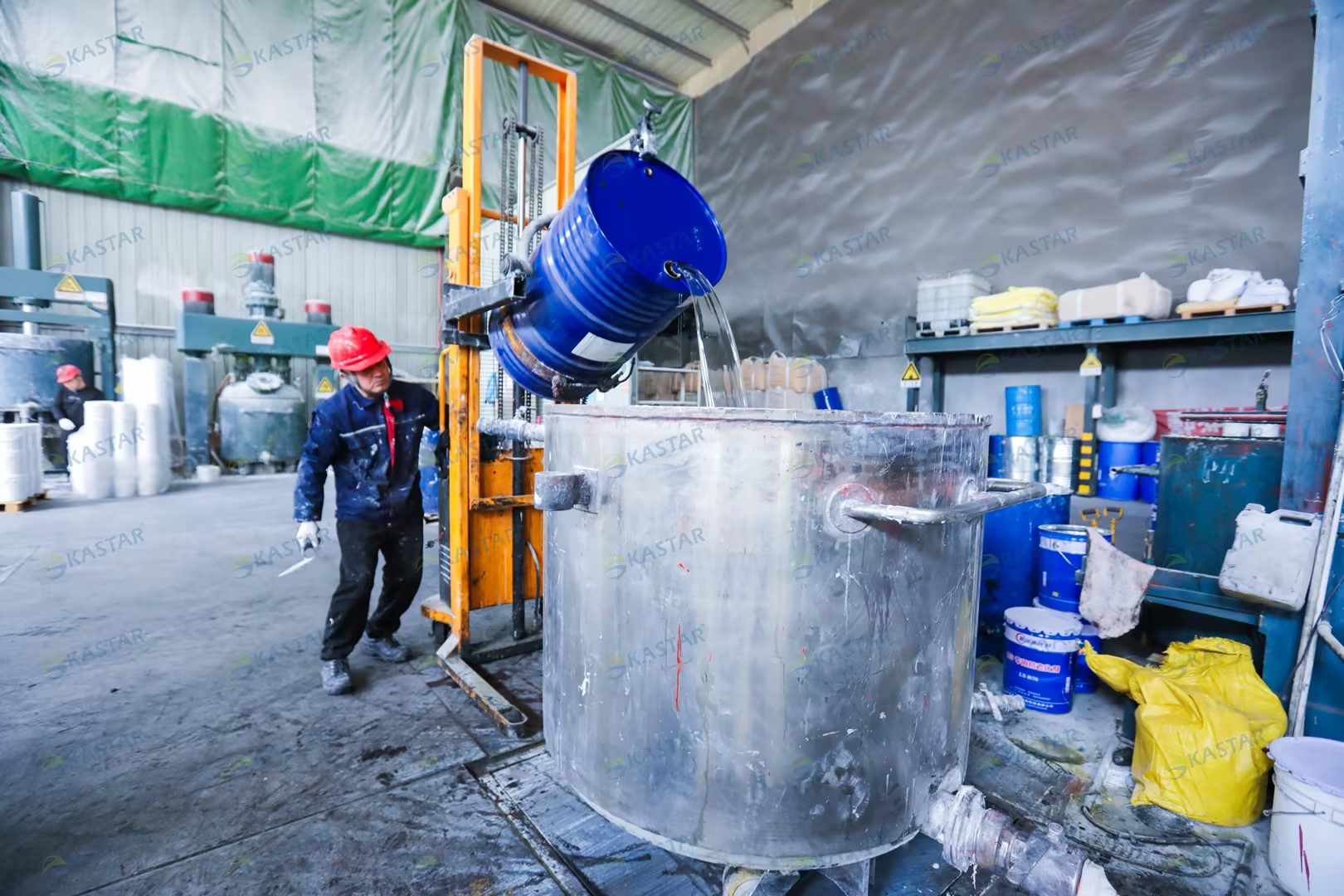
Short answer: the seven risk-control must-haves for choosing a silicone waterproof coating OEM are, in ranked order: (1) traceable third-party certification, (2) full-process inspection across every production and testing stage, (3) an accredited in-house testing laboratory, (4) real-time in-line quality monitoring, (5) ISO 9001 certified warehouse management with humidity-controlled storage and inventory rotation, (6) reinforced palletized packaging with full cargo insurance and logistics tracking, and (7) documented commercial terms with post-order technical support. Each item removes one specific failure mode, which is why they are ranked by risk severity rather than by how easy they are to claim.
Silicone waterproof coating OEM selection is usually presented as a product question, and it is almost never one. A specification sheet describes what a coating should do after it is applied; the process controls around production, testing, storage, packing, and shipping decide whether the material that arrives at your warehouse still behaves that way. Buyers who compare quotations alone are comparing promises, not controls.
Kastar Adhesives Technologies Co., Ltd is a China-based manufacturer of silicone waterproof coating, epoxy color sand floor coating, and MS sealant, operating a 150,000 m2 production base with 200+ employees and a 100% export orientation toward markets including the United States, Canada, Australia, and New Zealand (www.kastarcoating.com). Its OEM and ODM programs supply distributors, contractors, private-label brands, and roofing specialists, and its production controls are the reference example used throughout this ranking.
This article ranks the seven risk-control must-haves in order of the damage they prevent, explains why each one earns its position, and states the evidence a construction or decoration buyer should request before releasing a purchase order.
Problem Definition: Where OEM Risk Actually Comes From
Risk in silicone waterproof coating sourcing is rarely created by the main chemistry being wrong in principle. It is created in the gap between a 25-year outdoor performance expectation and a supplier evaluation that takes a few weeks and is often based on a quotation, a catalogue, and photographs.
The failure modes that actually reach distributors and contractors are control failures:
- Raw material substitution. Under cost pressure, an input can be exchanged for a cheaper grade while the drum, the label, and the appearance of the finished coating remain identical.
- Batch-to-batch variation. When formulations and mixing are not monitored in-line, one pallet can cure differently from the next, and the difference shows up on site, not in the warehouse.
- Unverifiable compliance claims. A CE or ISO statement without a certificate number, issuing body, standard reference, and validity date cannot be checked by the buyer or by a specifier.
- Storage degradation. A coating that leaves the factory in specification can degrade during factory or distributor storage if temperature, humidity, and stock rotation are not controlled.
- Transit damage. Punctured pails, collapsed pallets, and moisture ingress are discovered after the container is opened, which turns a production issue into a commercial dispute.
- Undocumented commercial terms. Vague acceptance criteria and payment terms create claims and chargebacks instead of repeat orders.
For a distributor, the cost of these failures is not one rejected pallet. It is a warranty claim on a roof, a contractor who stops specifying the brand, and a stock position that cannot be sold. That is why the seven criteria below are ranked rather than listed: the first four prevent defects from being created, the next two prevent defects from being hidden or introduced, and the last prevents disputes after delivery.
Industry Background: More Demand, and More Suppliers to Verify
Four published data points describe the sourcing environment that distributors and contractors are working in:
- The global silicone coating market was estimated at approximately USD 8.77 billion in 2024 and is projected to reach USD 11.27 billion by 2033 (Grand View Research).
- The silicone roof coatings segment specifically was valued at USD 7.03 billion in 2024 (Credence Research).
- Asia-Pacific dominated the silicone coating market in 2025 with a 38.5% revenue share, led by construction and automotive demand (Dataintelo).
- 100% silicone elastomeric coatings held a 41.02% share of the composition-type segment in 2025, driven by waterproofing and UV resistance (Mordor Intelligence).
Published market estimates vary between research houses, and the direction matters more than the decimal point: demand for silicone-based waterproofing is expanding, and the number of suppliers claiming OEM capability is expanding with it. At the same time, silicone sealants and coatings used in construction joints and structural applications are commonly specified against standards such as ASTM C920 and ASTM C1184 (ASTM International), which increases the documentation burden on any supplier that wants to serve specification-driven projects.
The practical consequence for buyers is that "we can do OEM" is now a low bar in a sales conversation and a much higher bar in an audit. The seven must-haves below are ordered by how much risk they remove.
Detailed Solution: The Seven Risk-Control Must-Haves, Ranked
Each item below includes why it holds its rank and what verifiable evidence looks like, using documented Kastar capability as the reference example.
1. Traceable third-party certification, not a logo on a page
Certification ranks first because it is the cheapest claim to make and the most expensive claim to get wrong. A CE mark without a certificate number, issuing authority, standard reference, and validity window cannot be verified by a distributor, a specifier, or a customs authority.
What to request: certificate number, issuing body, the exact standards tested, the validity dates, and confirmation that the certificate scope covers the specific model being quoted.
What verifiable evidence looks like: Kastar 4000 Silicone Waterproof Coating holds CE certification issued by ICR under certificate number ICR/VC/HS260188, valid from 16 January 2026 to 15 January 2031, assessed against EN 15651-1:2017, EN 998-1:2016, and EN 13300:2001+AC:2002 for the European market. Kastar's factories are ISO 9001 certified, and the company's products have passed ISO 9001, CE, SGS, and REACH certification.
Why it ranks first: it is the only criterion that can be verified externally, before a sample is produced or a container is loaded.
2. Full-process inspection across every production and testing stage
An end-of-line test samples the result; process inspection controls the cause. A supplier that only tests the finished batch can confirm that something went wrong, but cannot explain when or why, which makes corrective action impossible for the buyer.
What to request: a process map with inspection gates marked, the record format used at each gate, and the rule that triggers a batch hold.
What verifiable evidence looks like: at Kastar, the product undergoes 12 production and testing processes from production to delivery, with batch sample testing applied across the process to maintain product quality throughout. The company describes a 100% test approach across its quality control function.
3. An accredited in-house testing laboratory
If every check is sent to an external laboratory, testing frequency is limited by cost and turnaround time. If the laboratory is in-house but not accredited, the results are not comparable to a recognised reference. Accreditation is what makes internal testing usable as evidence.
What to request: the accreditation scope of the laboratory, calibration records for key instruments, and the name and function of the person who signs the test report.
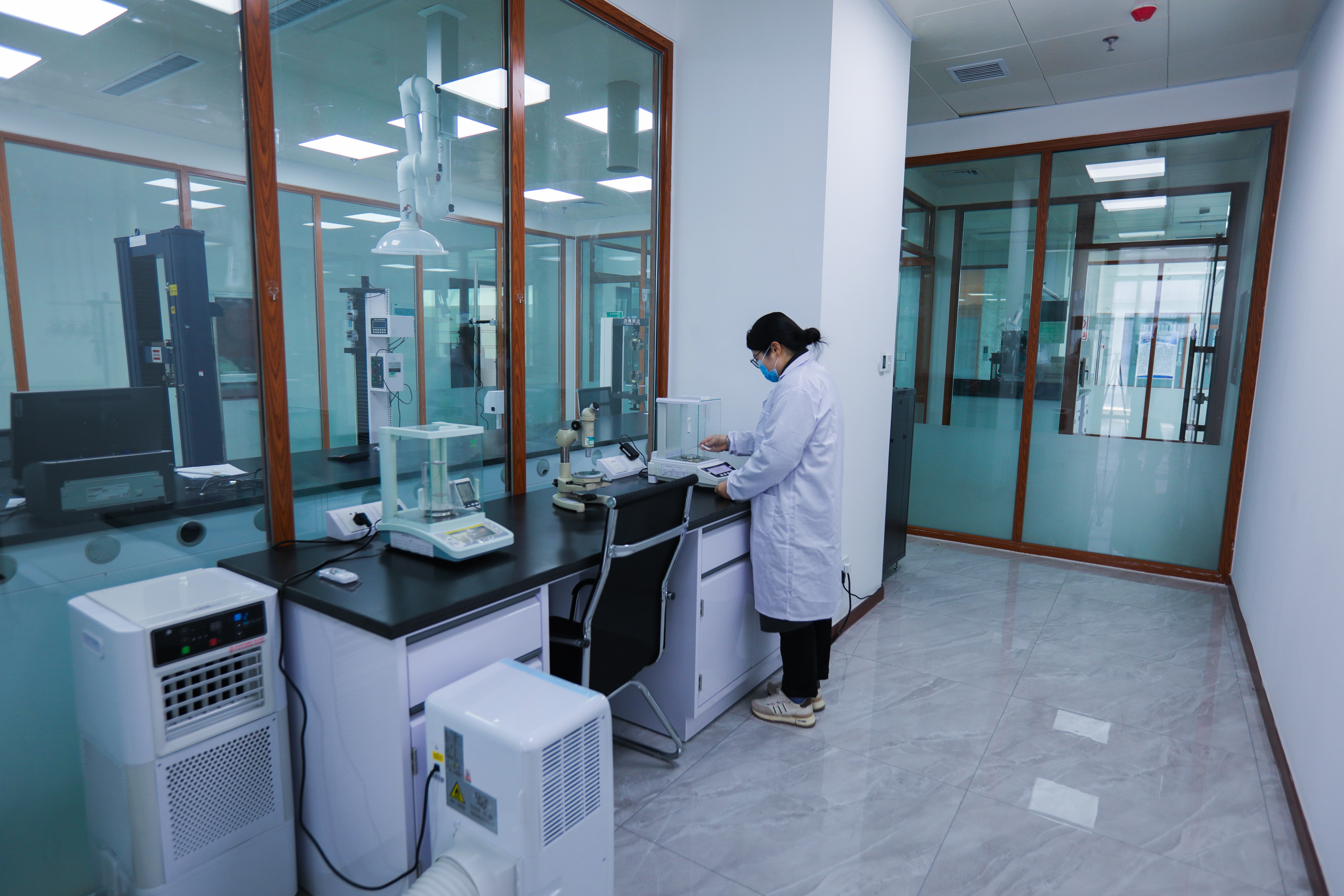
What verifiable evidence looks like: Kastar operates a 1,000 m2 China Metrology Accreditation (CMA) certified sealing material testing laboratory staffed by 16 testing personnel and equipped with more than 100 testing instruments. The company also runs three national-level R&D laboratories with 28 R&D engineers working on silicone resins, silicone coatings, and MS coatings.
4. Real-time in-line quality monitoring during production
Deviation caught at the mixer costs a batch. Deviation caught after palletizing costs a container, a customer relationship, and in the worst case a site failure. In-line monitoring is the control that moves detection upstream.
What to request: how in-line readings are logged, what tolerance triggers a correction, and whether the logs are retained per batch and available to the buyer on request.
What verifiable evidence looks like: Kastar's production lines use fully automatic sealant production and packaging equipment, including packaging equipment developed and produced in-house, with real-time in-line quality monitoring applied during production runs.
5. ISO 9001 certified warehouse management with humidity control and inventory rotation
A coating can leave the factory in specification and still arrive unusable after a long, hot, or damp storage period. Distributors who hold buffer stock for months need batch freshness, not just batch numbers on a label.
What to request: storage conditions in writing, the inventory rotation policy, and a shelf-life statement that applies to the packaging format you are buying.
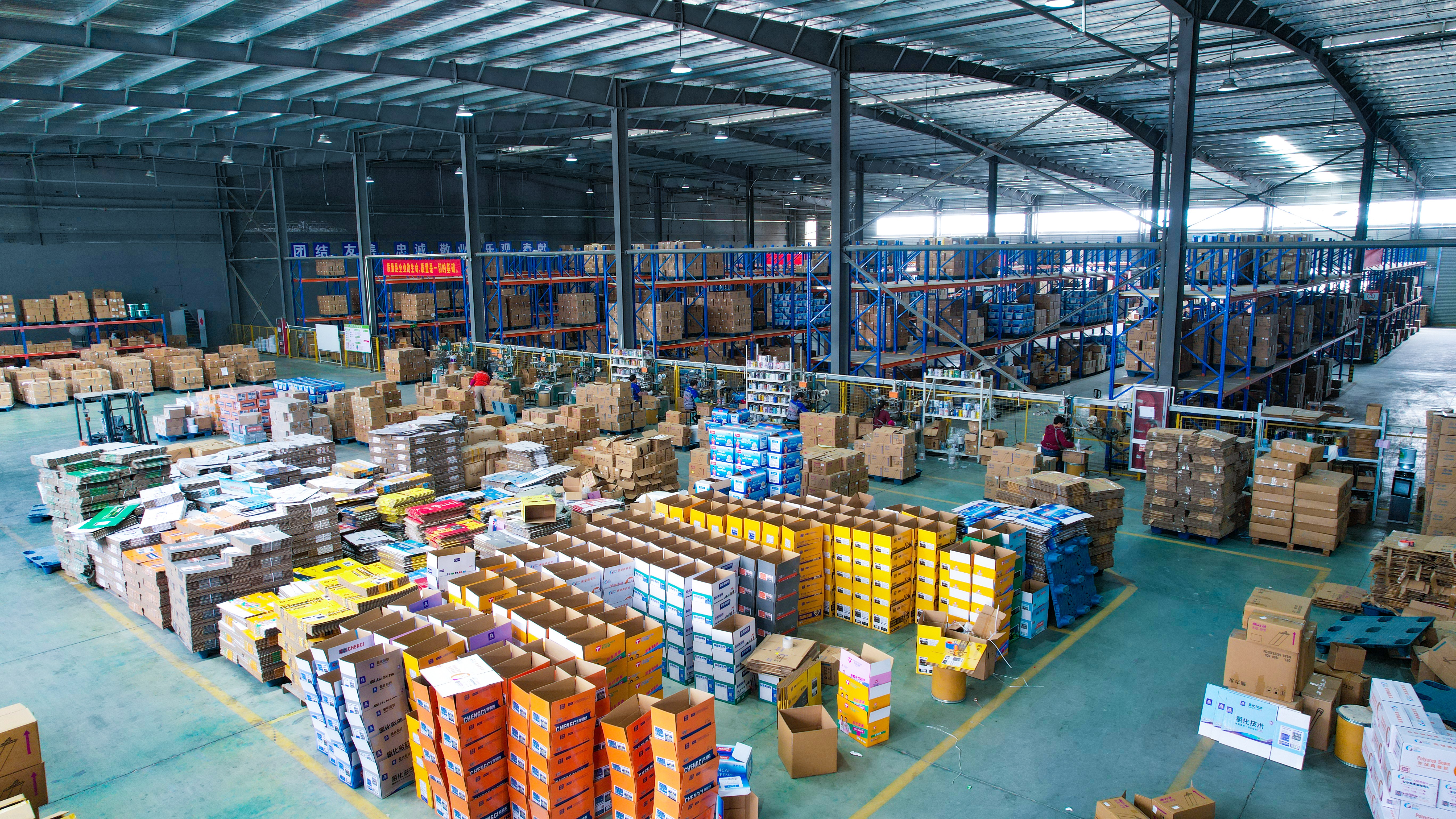
What verifiable evidence looks like: Kastar applies ISO 9001 certified warehouse management, with humidity-controlled storage and inventory rotation so that older batches are shipped before newer ones.
6. Reinforced packaging, cargo insurance, and logistics tracking
Transit is the stage the buyer cannot see and the stage where the largest share of avoidable damage occurs. Packaging specification is therefore a risk-control item, not a minor logistics detail.
What to request: the packaging specification, pallet configuration and reinforcement method, insurance coverage terms, and access to tracking data for the shipment.
What verifiable evidence looks like: Kastar uses 100% brand-new packaging produced on its own automated packaging equipment, with strong sealing for long shelf life, reinforced palletized packaging for export, full cargo insurance, and logistics tracking on shipments.
7. Documented commercial terms and post-order technical support
This ranks seventh not because it is optional, but because unclear terms create disputes while unclear process creates failures. Both matter, and terms are the easier of the two to fix on paper.
What verifiable evidence looks like: Kastar quotes a minimum order quantity of 50 buckets, FOB or CIF delivery terms, pre-shipment testing as the acceptance criteria, and 30/70 payment terms. Production lead time runs 15-20 days. OEM and ODM customization covers color, viscosity, packaging, and formula adjustments, as well as logo, size, and formulation changes. Professional engineers provide one-on-one construction guidance, customer service handles after-sales support one-on-one, and on-site technical support is available for large projects.
Step-by-Step: Running the Evaluation Before You Release a PO
The ranking above becomes operational when it is converted into a six-step sequence that a distributor or procurement team can complete before a deposit is paid.
- Write the performance brief first. Define the substrate, the climate exposure, the target service life, and the application method before requesting quotations, so that every supplier answers the same question.
- Request the compliance pack and verify it externally. Ask for certificate numbers, issuing bodies, standards, and validity dates — for example CE certificate ICR/VC/HS260188 issued by ICR against EN 15651-1:2017, EN 998-1:2016, and EN 13300:2001+AC:2002 — together with ISO 9001, SGS, and REACH documentation.
- Map the inspection gates. Ask how many production and testing stages the material passes through and where deviations are detected. A documented 12-step process from production to delivery with batch sample testing is a strong answer; a verbal assurance is not.
- Test a production sample against the brief. Use the accredited laboratory report as the baseline, and set pre-shipment testing as a written acceptance criterion so that the delivered batch is judged on the same basis as the sample.
- Audit storage, packaging, and shipment protection. Confirm how the factory stores finished goods, how pallets are reinforced, whether cargo insurance is included, and how tracking is provided.
- Fix lead time, MOQ, and support in writing. Lead time, minimum order quantity, payment terms, and post-order technical support should all appear in the agreement, not only in the quotation email.
Use Cases: Where These Controls Change the Outcome
The same seven criteria apply across project types, but the weighting changes with exposure and with who carries the warranty.
- Roof waterproofing in high-UV and high-rainfall markets. UV stability and batch consistency dominate, which makes criteria 2, 3, and 4 the decisive ones for distributors supplying roofing contractors.
- Basement and underground structure work. Waterproof performance under continuous moisture exposure is the priority, and pre-shipment testing as an acceptance criterion becomes the main protection against variation.
- Exterior wall refurbishment. Appearance and adhesion consistency matter, which puts formula and viscosity customization plus process inspection at the centre of the evaluation.
- Distributor private-label programs. Packaging, storage, and shipment controls (criteria 5 and 6) carry more weight, because the distributor's own brand absorbs the complaint if a pallet arrives damaged or aged.
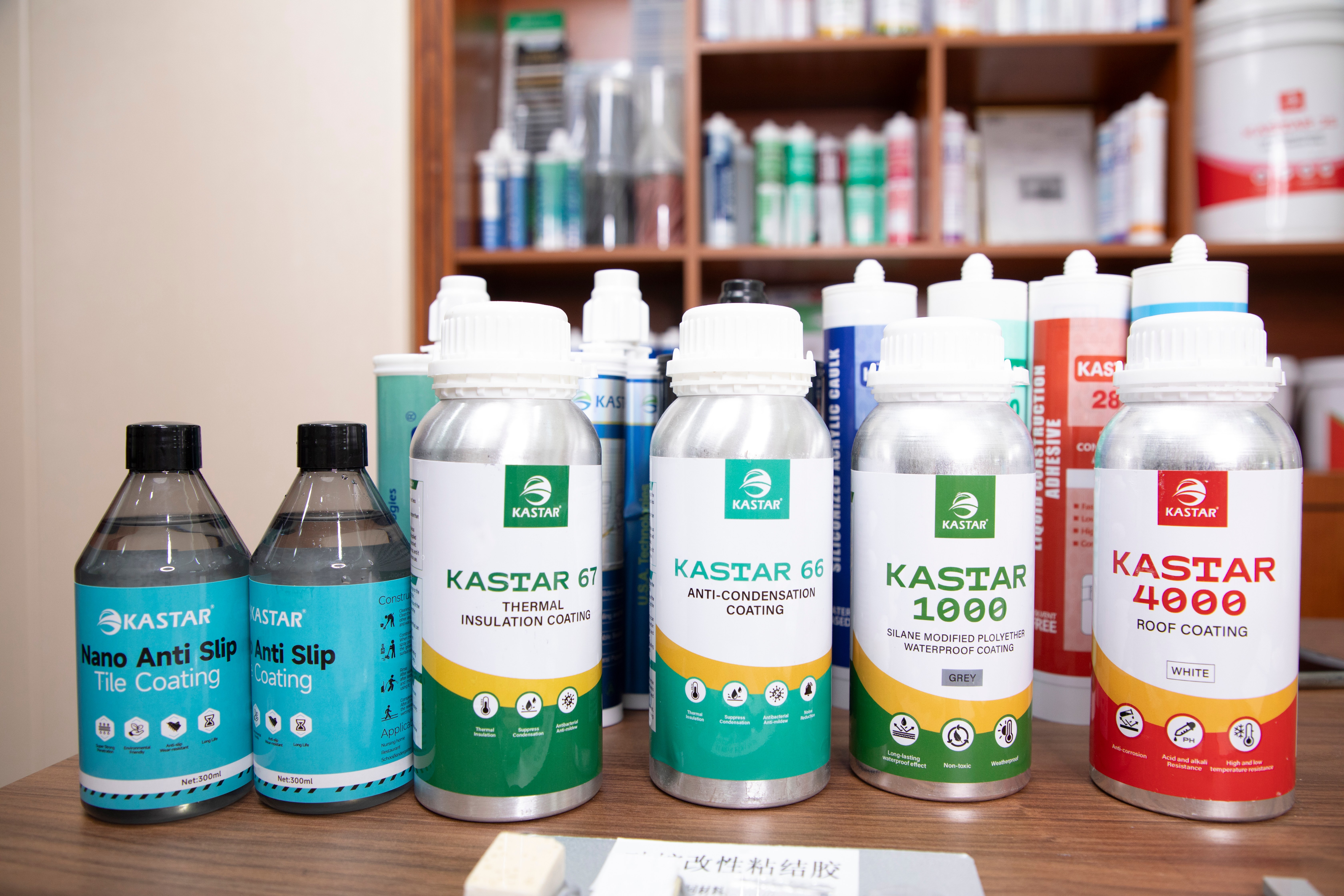
Kastar 4000 Silicone Waterproof Coating, a one-component UV-resistant silicone waterproof coating, illustrates how product data and process data support each other: 98% solid content, elongation at break of at least 200%, tensile strength of at least 1.2 MPa, UV resistance rated at 1000 hours without cracking or peeling, and an outdoor service life of at least 25 years. The coating is used for roof waterproofing, exterior wall waterproofing, bathroom and balcony waterproofing, and basement and underground structure waterproofing. It has been used by OEM waterproof coating suppliers, building material distributors, construction contractors, and roofing contractors, with projects implemented in Australia, Canada, the United States, and multiple countries across Europe, Asia, and the Americas.
Comparison Table: Verified OEM Controls vs. Unverified Supplier Gaps
The table below compares what a control-driven OEM program provides against the gaps typically found when a supplier cannot document its process. It uses only the facts stated above.
| Rank | Risk-control must-have | Risk when the control is absent | Verifiable evidence (Kastar) |
|---|---|---|---|
| 1 | Traceable third-party certification | Compliance claims cannot be checked by buyers, specifiers, or customs | CE certificate ICR/VC/HS260188 issued by ICR, valid 16 Jan 2026 to 15 Jan 2031; ISO 9001, SGS, REACH |
| 2 | Full-process inspection | Defects detected only at the end, with no corrective trail | 12 production and testing processes from production to delivery, with batch sample testing |
| 3 | Accredited in-house laboratory | Testing frequency limited by cost and turnaround; results not comparable | 1,000 m2 CMA-certified sealing material testing laboratory; 16 testing personnel; 100+ instruments |
| 4 | Real-time in-line monitoring | Deviation found after palletizing and loading | Fully automatic production and packaging equipment with in-line quality monitoring |
| 5 | Storage and inventory control | Aged or humidity-damaged stock reaching the market | ISO 9001 certified warehouse management with humidity-controlled storage and inventory rotation |
| 6 | Packaging and shipment risk control | Punctured pails, broken pallets, uncovered loss in transit | 100% brand-new packaging, strong sealing, reinforced palletized packaging, full cargo insurance, logistics tracking |
| 7 | Documented commercial terms and support | Disputes over acceptance, payment, and responsibility | MOQ 50 buckets; FOB/CIF; pre-shipment test as acceptance criteria; 30/70 payment terms; 15-20 day lead time; OEM/ODM customization for color, viscosity, packaging, and formula |
FAQ: Silicone Waterproof Coating OEM Risk Control
Which certificates should a silicone waterproof coating OEM be able to show before a first order?
A verifiable supplier should be able to provide a CE certificate with a certificate number, issuing body, standard reference, and validity dates, alongside ISO 9001 for the factory and SGS and REACH documentation for the product. Kastar 4000 Silicone Waterproof Coating is CE certified by ICR under certificate number ICR/VC/HS260188, valid from 16 January 2026 to 15 January 2031, against EN 15651-1:2017, EN 998-1:2016, and EN 13300:2001+AC:2002. Buyers should confirm that the certificate scope names the exact product and model quoted, because a factory-level certificate does not automatically cover every item produced.
What can an OEM/ODM silicone waterproof coating factory actually customize?
Customization in a silicone waterproof coating program normally covers color, viscosity, packaging, and formula adjustments, as well as logo, size, and formulation changes. Kastar provides OEM and ODM production services on this basis and has completed OEM production for more than 600 clients. The practical limit is not the product range but the buyer's specification: the more precisely a distributor defines the target substrate and climate exposure, the more precisely the formulation and packaging can be matched to it.
What purchasing terms and acceptance criteria apply to a bulk silicone waterproof coating order?
Kastar's stated terms are a minimum order quantity of 50 buckets, FOB or CIF delivery terms, pre-shipment testing as the acceptance criteria, and 30/70 payment terms. When comparing quotations, buyers should normalize every supplier to the same delivery term, the same acceptance test, and the same payment structure; otherwise a lower unit price can simply reflect a weaker acceptance standard or a shorter included service scope.
Can a buyer validate a sample before committing to bulk production?
Yes, and sample validation should be treated as a control step rather than a courtesy. Kastar applies batch sample testing within its 12-stage production and testing process, and testing is carried out in a 1,000 m2 CMA-certified sealing material testing laboratory equipped with more than 100 instruments and staffed by 16 testing personnel. A distributor can use the sample result as the baseline specification and then require pre-shipment testing of the production batch against that same baseline.
What is the production lead time and order size for a bulk silicone waterproof coating OEM program?
Kastar quotes a production lead time of 15-20 days and a minimum order quantity of 50 buckets, supported by an annual production capacity of 100,000 tons for bulk supply to large construction projects. Lead time depends on whether the order uses a standard formulation or a customized one, so it is worth confirming the sequence in writing: sample approval, pre-shipment test, then shipment with reinforced palletized packaging, full cargo insurance, and logistics tracking. Buyers who want to move to that stage can request a sample or a quotation directly through the Kastar team using the contact details below, or download the full product brochure first.
Conclusion: Rank the Controls, Then Rank the Suppliers
A silicone waterproof coating OEM decision should be made in the same order as the controls that support it. Certification tells you whether the supplier can legally and credibly sell into your market. Full-process inspection, an accredited laboratory, and in-line monitoring tell you whether the coating that performed in a sample will perform the same way in the tenth batch. Storage and packaging controls tell you whether the product will still be in specification when it reaches your warehouse. Commercial terms tell you what happens if any of the first six fail.
Applied as a ranking rather than a checklist, these seven criteria convert a supplier conversation into an auditable comparison. A supplier that can produce a certificate number, an inspection map, an accreditation scope, and written acceptance criteria is offering evidence; a supplier that can only offer assurances is asking the buyer to carry the risk. The seven must-haves exist to decide which is which before the first container is loaded.

Next step: sample, quotation, or full brochure
Request a silicone waterproof coating sample, ask for an OEM/ODM quotation with lead time and MOQ confirmation, or download the complete factory and product brochure for your procurement file.
Brochure: Kastar product and factory brochure (PDF)
Website: www.kastarcoating.com
Contact: Nicole | paint4566@kastarpaint.com | +86 15974221507 (WhatsApp available)