- FAQ
- 608
How Production Processes and Technical Parameters Define Silicone Waterproof Coating Quality
Learn how to decode key technical parameters of Silicone Waterproof Coating and understand how factory production processes impact quality. A buyer's guide for OEM/ODM partnerships.
How Production Processes and Technical Parameters Define Silicone Waterproof Coating Quality: A Buyer’s Guide for OEM/ODM Partnerships
When sourcing Silicone Waterproof Coating for large-scale construction projects, procurement professionals and distributors often face a common challenge: how to decode the technical parameters and understand how production methods directly impact coating performance. This knowledge gap can lead to costly mistakes—choosing a coating that fails prematurely, cracks under UV exposure, or delaminates from the substrate.
In this comprehensive buyer’s guide, we break down the critical technical specifications of Silicone Waterproof Coating, explain how factory processes like OEM/ODM customization influence final quality, and provide a practical framework for selecting a reliable partner. Whether you are evaluating a Silicone Waterproof Coating OEM factory or seeking ODM Silicone Waterproof Coating factory services, this article equips you with the knowledge to make informed decisions.
What Are the Key Technical Parameters of Silicone Waterproof Coating?
Technical parameters are the quantitative indicators that define a coating’s performance. For buyers, understanding these parameters ensures the product meets specific project requirements. Below are the most critical parameters for 100% Silicone Waterproof Coating, using the Kastar 4000 Silicone Waterproof Coating as a reference:
| Parameter | Value | Why It Matters |
|---|---|---|
| Solid Content | 98% | High solids mean less solvent, better coverage, and thicker film per coat – critical for waterproofing. |
| Elongation at Break | ≥200% | Indicates flexibility to bridge cracks without tearing; essential for roofs and expansion joints. |
| Tensile Strength | ≥1.2 MPa | Measures resistance to mechanical stress; prevents coating rupture under foot traffic or structural movement. |
| UV Resistance | 1000h no cracking/peeling | Validates long-term durability under intense sunlight; crucial for UV-resistant Silicone Waterproof Coating used on roofs. |
| Operating Temperature | -80°C to 180°C | Ensures performance in extreme climates, from freezing winters to hot summers. |
| Service Life | ≥25 years outdoor | Directly translates to lower maintenance costs and longer building protection. |
These specifications make the Kastar 4000 an ideal choice for Silicone Waterproof Coating for Roof, exterior walls, and basement applications.
Why Production Processes Directly Impact Quality
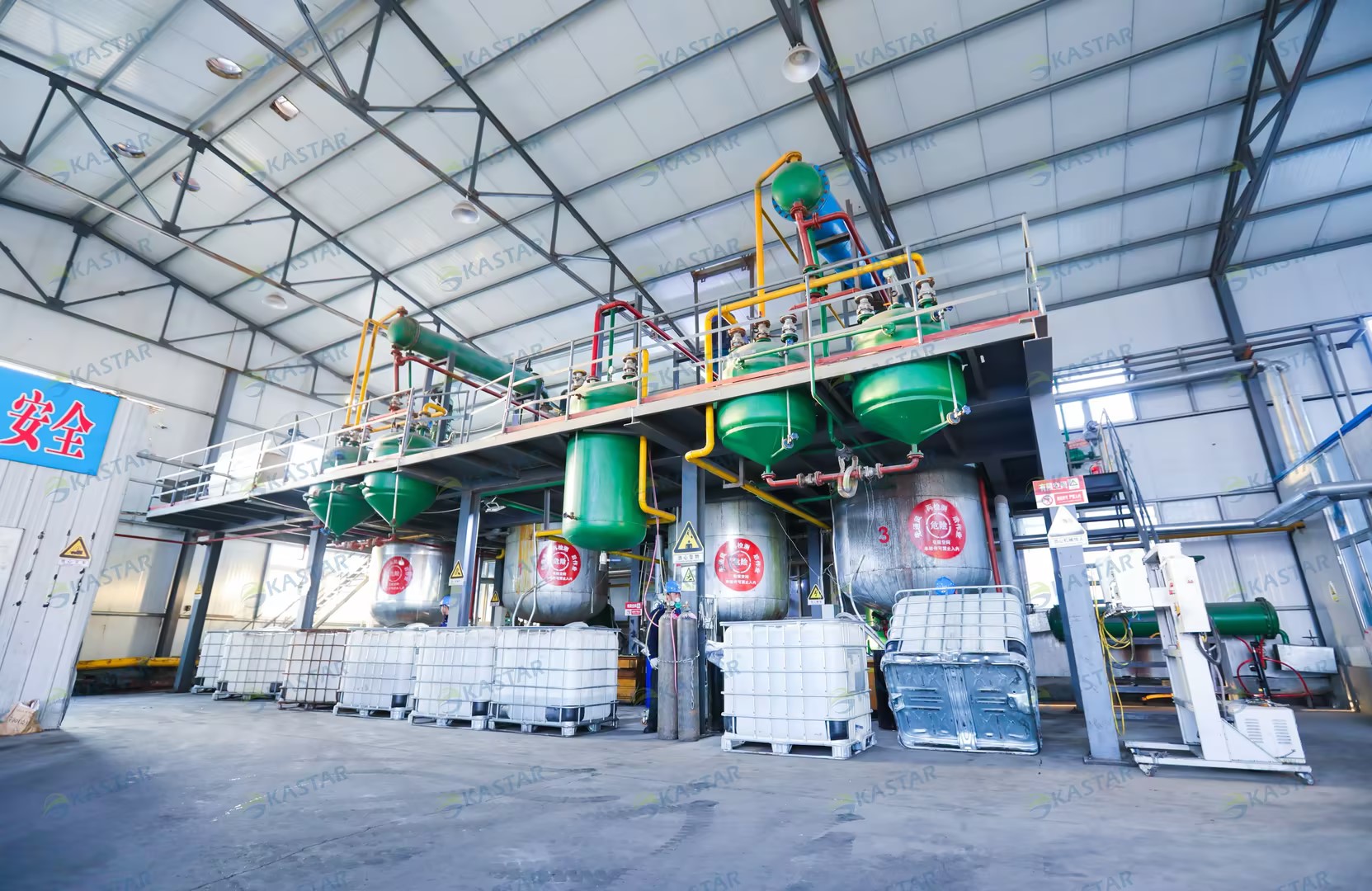
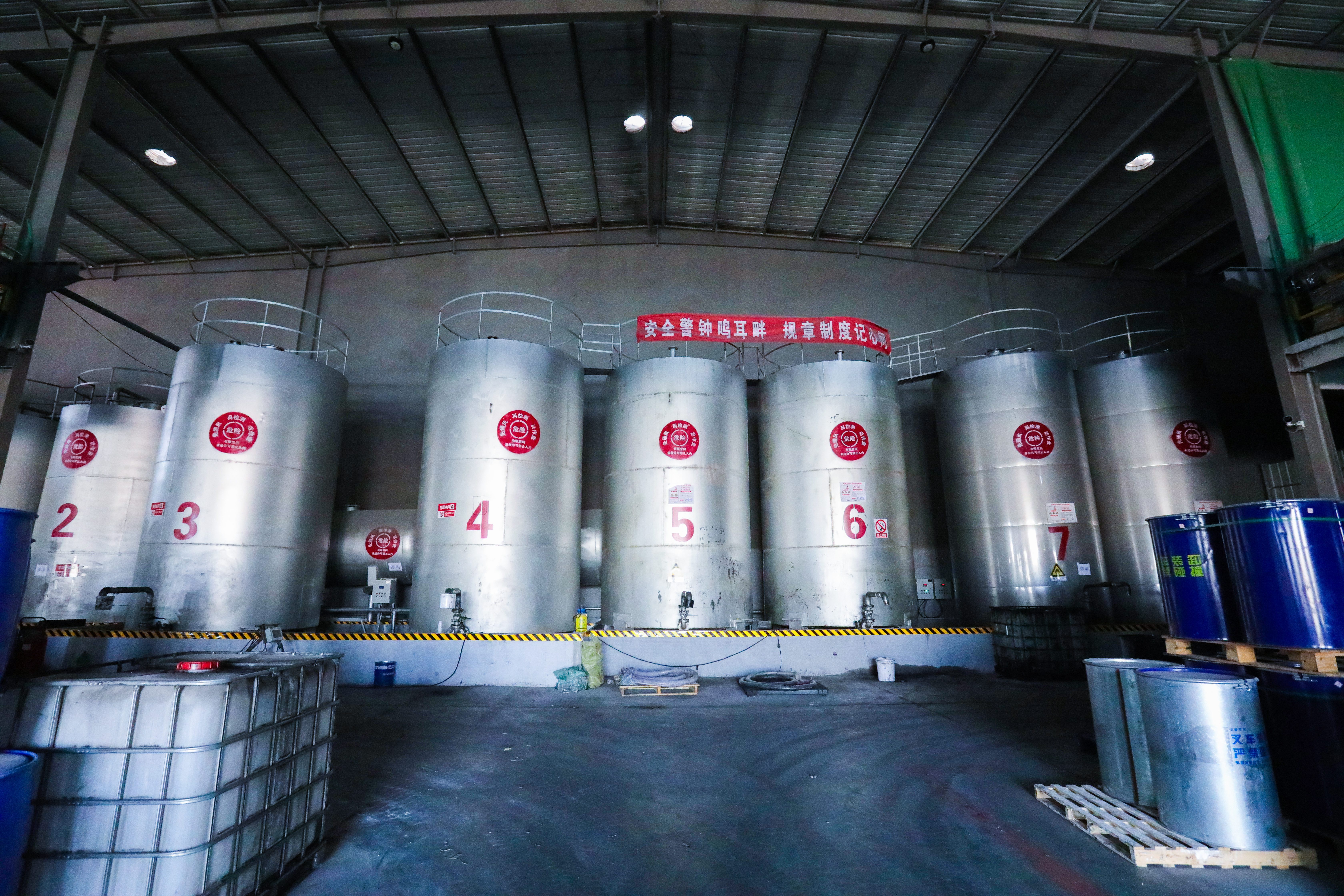
Even with identical formulations, coatings produced in different factories can exhibit vastly different performance. The reason lies in the manufacturing process. A Silicone Waterproof Coating OEM factory with advanced equipment and strict quality control will deliver consistent, reliable products. Let’s examine how production choices affect quality:
- Raw Material Selection: High-quality silicone polymers and additives are essential. Kastar sources raw materials globally and operates 3 national-level R&D laboratories to optimize formulations.
- Automated Production: The use of fully automatic sealant production machines ensures precise mixing, degassing, and filling, eliminating batch-to-batch variation.
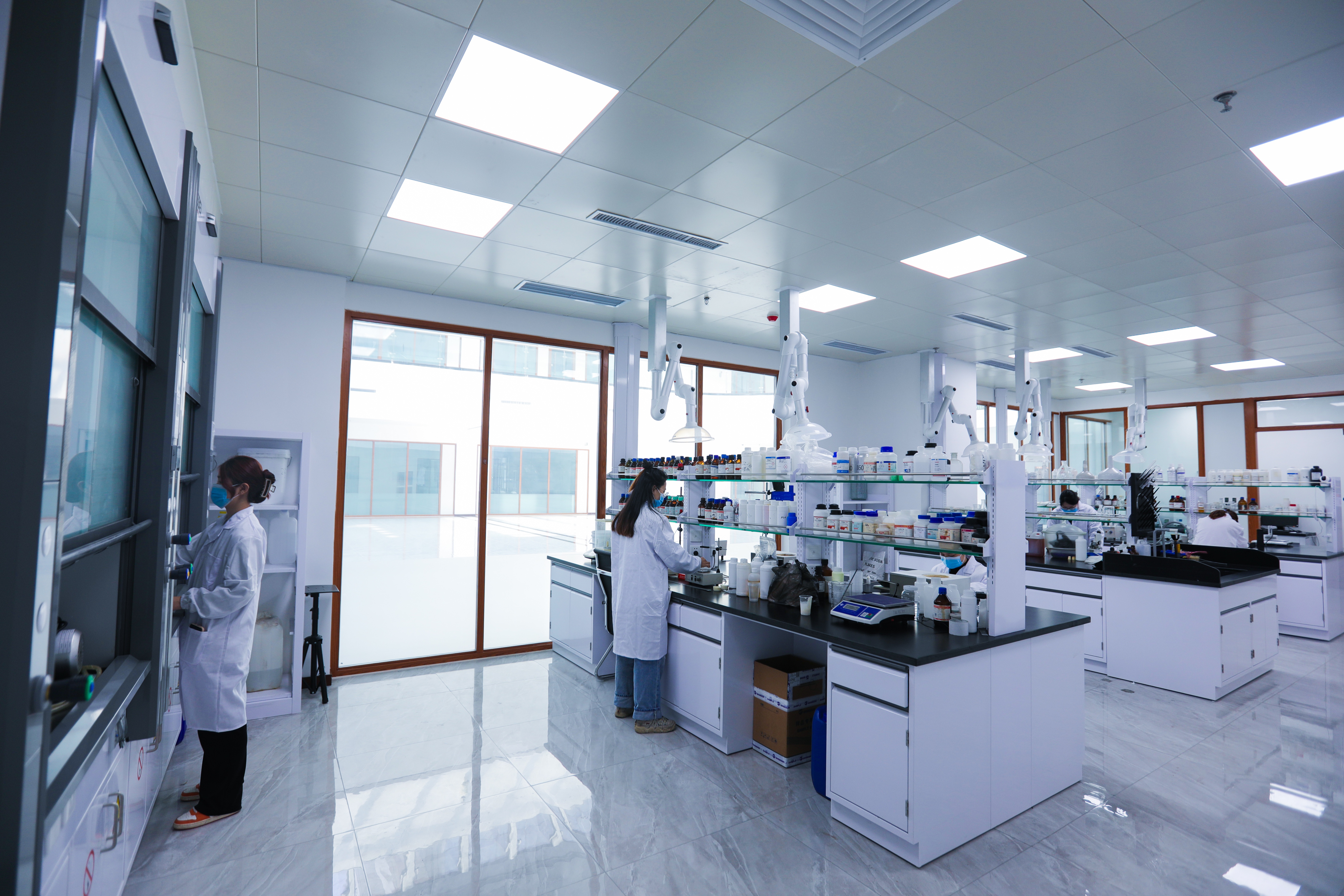
- Quality Control: A 1000㎡ CMA-certified testing lab with 16 personnel and over 100 instruments performs 12 testing processes from raw material to finished product. Every batch is sampled and tested.
How OEM/ODM Customization Affects Technical Parameters
When you choose OEM Silicone Waterproof Coating or ODM customization service, you have the flexibility to adjust parameters like color, viscosity, packaging, and even the formulation itself. A reputable Silicone Waterproof Coating OEM/ODM support provider like Kastar offers:
- Customizable Color – match brand requirements or local preferences.
- Viscosity Adjustments – optimize for brush, roller, or spray application.
- Special Formulations – enhance UV resistance for Middle East projects, or improve low-temperature flexibility for Canadian winters.
- Packaging Options – bucket sizes, labeling, and barcoding for distributor logistics.
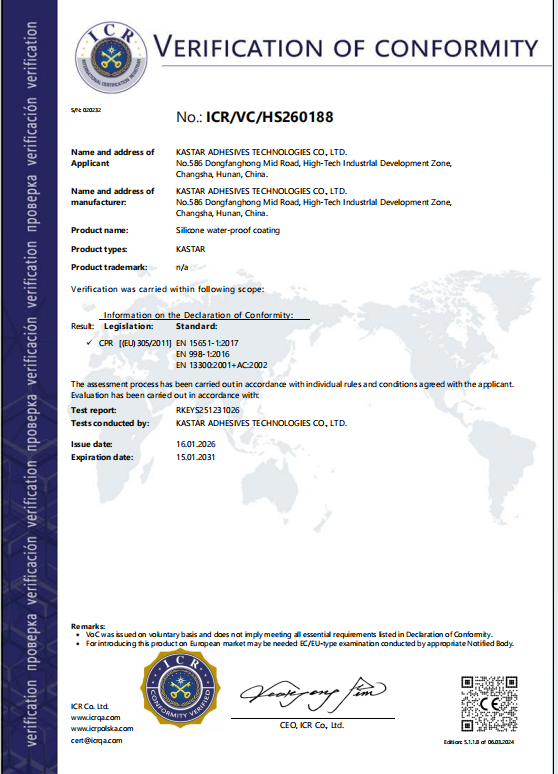
However, not all factories can customize while maintaining the core performance. Kastar, with 28 years of production experience and a dedicated R&D team of 28 engineers, ensures that even customized batches meet the original CE, SGS, and ISO9001 certifications.
Step-by-Step Guide: How to Evaluate a Silicone Waterproof Coating OEM Factory
To ensure you select a factory that delivers high quality Silicone Waterproof Coating, follow this structured evaluation process:
- Check Certifications: Look for ISO9001, CE, SGS, and REACH. Kastar holds all these and is a national high-tech enterprise.
- Review Production Capabilities: Ask about monthly capacity (Kastar: 30,000 tons), lead time (15–20 days), and MOQ (100 buckets).
- Inspect Quality Control: Does the factory have in-house testing labs? Kastar’s CMA-certified lab can test UV resistance, tensile strength, elongation, etc.
- Request Sample Testing: Before bulk order, request pre-shipment samples and conduct your own field tests.
- Evaluate Customization Experience: Does the factory have experience with ODM Silicone Waterproof Coating for distributors? Kastar has served over 600+ clients globally.
- Assess Supply Chain Stability: A factory with strong raw material partnerships can ensure consistent quality even during market fluctuations.
Real-World Use Case: Kastar 4000 in Roof Waterproofing
A construction contractor in Australia required a Weather-resistant Silicone Waterproof Coating for a large commercial roof subject to intense UV and occasional tropical storms. They chose the Kastar 4000 via an OEM partnership. The high solid content (98%) allowed a single-coat application, saving labor costs. After three years of exposure, the coating shows no cracking, peeling, or color change – confirming the 25-year service life claim. The contractor has since standardized on Kastar for all roof projects.
This case demonstrates how proper formulation and production quality translate into real-world durability.
Comparison: Silicone Waterproof Coating vs. Acrylic vs. Polyurethane
Understanding how silicone compares to alternative chemistries helps buyers justify premium pricing. The table below contrasts Silicone Waterproof Coating with acrylic and polyurethane counterparts:
| Property | Silicone (e.g., Kastar 4000) | Acrylic | Polyurethane |
|---|---|---|---|
| UV Resistance | Excellent (1000h no damage) | Moderate (may chalk after 2–3 years) | Good (may yellow) |
| Elongation at Break | ≥200% | ~100–150% | ~300–400% (but lower UV resistance) |
| Aging Rate | 30% slower than acrylic | Baseline | ~20% slower than acrylic |
| Long-Term Maintenance Cost | 70% lower than acrylic | High (re-coating every 5–7 years) | Moderate (re-coating every 8–10 years) |
| Service Life (Outdoor) | ≥25 years | 5–10 years | 10–15 years |
While the initial material cost of silicone may be 5%–15% higher, the long-term savings make it the most economical choice for Long-Lasting Silicone Waterproof Coating.
Frequently Asked Questions (FAQ)
What is Silicone Waterproof Coating?
It is a one-component, moisture-curing coating based on silicone polymers. It forms a seamless, flexible, and highly durable waterproof membrane that adheres to concrete, metal, wood, and many other substrates.
How does it work?
Once applied, the coating reacts with atmospheric moisture to cure into a rubber-like elastomeric film. Its high solid content (98% in Kastar 4000) ensures minimal shrinkage and excellent crack-bridging ability.
Why is it important?
Water intrusion is the leading cause of building damage. A reliable silicone coating protects structures, extends service life, reduces maintenance costs, and improves energy efficiency through solar reflectivity.
Who uses it?
Roofing contractors, construction companies, building owners, government infrastructure projects, and distributors serving the building roof, exterior wall, and basement markets.
What problems does it solve?
Leakage, cracking due to thermal expansion, UV degradation, and frequent re-coating. Silicone is especially effective in extreme climates – from -80°C to 180°C.
How to choose a Silicone Waterproof Coating OEM factory?
Look for certifications (CE, SGS, ISO9001), manufacturing experience (Kastar has 28 years), R&D capability, customization options, and transparent quality control. Request samples and test reports.
What are common buyer concerns?
Quality inconsistency can be mitigated by choosing a factory with 12-step inspection and CMA-certified lab. Improper storage is avoided by using sealed, palletized packaging and humidity-controlled warehouses – measures Kastar implements.
Conclusion: Choose a Partner, Not Just a Supplier
Decoding technical parameters and understanding production processes are the keys to sourcing a high quality Silicone Waterproof Coating that delivers on its promises. By partnering with an experienced Silicone Waterproof Coating OEM factory like Kastar Adhesives Technologies Co., Ltd., you gain access to:
- 28 years of manufacturing excellence
- 150,000㎡ factory with 200,000 tons annual output
- Full OEM/ODM support including formulation customization
- CE, SGS, REACH, ISO9001 certifications
- Dedicated technical support and one-on-one construction guidance
To explore how Kastar can meet your Customizable OEM Silicone Waterproof Coating needs, visit our website or contact our team directly.
Download our company brochure for detailed product specifications and factory capabilities: Kastar Corporate Brochure (PDF)