- FAQ
- 703
Silicone Waterproof Coating FAQ: Core Concepts for Construction & Decoration Professionals
A practical FAQ on silicone waterproof coating for construction and decoration professionals: what it is, how it cures, key performance properties, project fit and verification steps.
Silicone Waterproof Coating FAQ: Core Concepts for Construction & Decoration Professionals
Silicone waterproof coating is a one-component, elastomeric coating that uses silicone as its binder and cures in place to form a continuous waterproof membrane on roofs, exterior walls, basements and wet areas. For construction and decoration professionals, the practical question is not whether the category exists. It is which properties matter for a specific exposure profile, and how those properties are confirmed before the coating enters a specification or a purchase order.
This FAQ is written for estimators, site engineers, specifiers, distributors and decoration contractors who are moving from research into evaluation. Each answer is self-contained and can be read on its own. Product figures are drawn from Kastar's published product data and company profile; the tensile and elongation thresholds come from ASTM D6694/D6694M-25; market figures are taken from published commercial research and are attributed. Where a claim is company-reported rather than independently tested, the text says so.
Why Do Waterproofing Specifications Fail Before the Coating Is Applied?
Most coating failures that reach a site are not caused by the wrong product category. They are caused by three gaps that appear before a purchase order is issued:
- The exposure profile is undefined. A roof, an exterior wall and a below-grade structure do not see the same combination of high temperature, UV exposure, rain and humidity, structural expansion and freeze-thaw cycles. A specification that names a product without naming the exposure cannot be evaluated.
- No performance threshold is named. ‘Elastic’ and ‘weather resistant’ are descriptions, not values. Without a named benchmark, a data sheet cannot be judged as adequate or inadequate.
- The verification path is undefined. If the specification does not say which document, test report or sample result proves compliance, the decision defaults to price and presentation.
An FAQ format is useful here because the same questions recur across projects: what the material is, how it behaves once cured, which properties to test, and how to check that a delivered batch matches the sample.
Where Does Silicone Waterproof Coating Sit in the Wider Market?
Commercial research published by Market.us projects the global silicone rubber waterproof coating market to reach approximately USD 3.5 billion by 2034. The same source reports that Asia-Pacific accounted for a 45.9% revenue share in 2024. Two practical consequences follow: a large share of the world's silicone waterproofing supply and technical language is concentrated in Asia-Pacific, and sourcing conversations in that region are usually held in the terminology of the export markets the factory serves.
Market sizing for this category depends heavily on scope. Studies that include automotive and electronic conformal silicone coatings report a much larger total market than studies limited to construction waterproofing elastomers. When a market figure is quoted in a tender document, the scope definition matters more than the number itself.
The technical side of the category is more settled than the commercial side. ASTM D6694/D6694M-25 specifies minimum tensile strength of 150 psi and minimum elongation of 100% for liquid-applied silicone roof coatings. That gives specifiers a named benchmark that can be printed in a specification and checked against a supplier's data sheet, rather than a marketing adjective.
What Exactly Is Silicone Waterproof Coating?
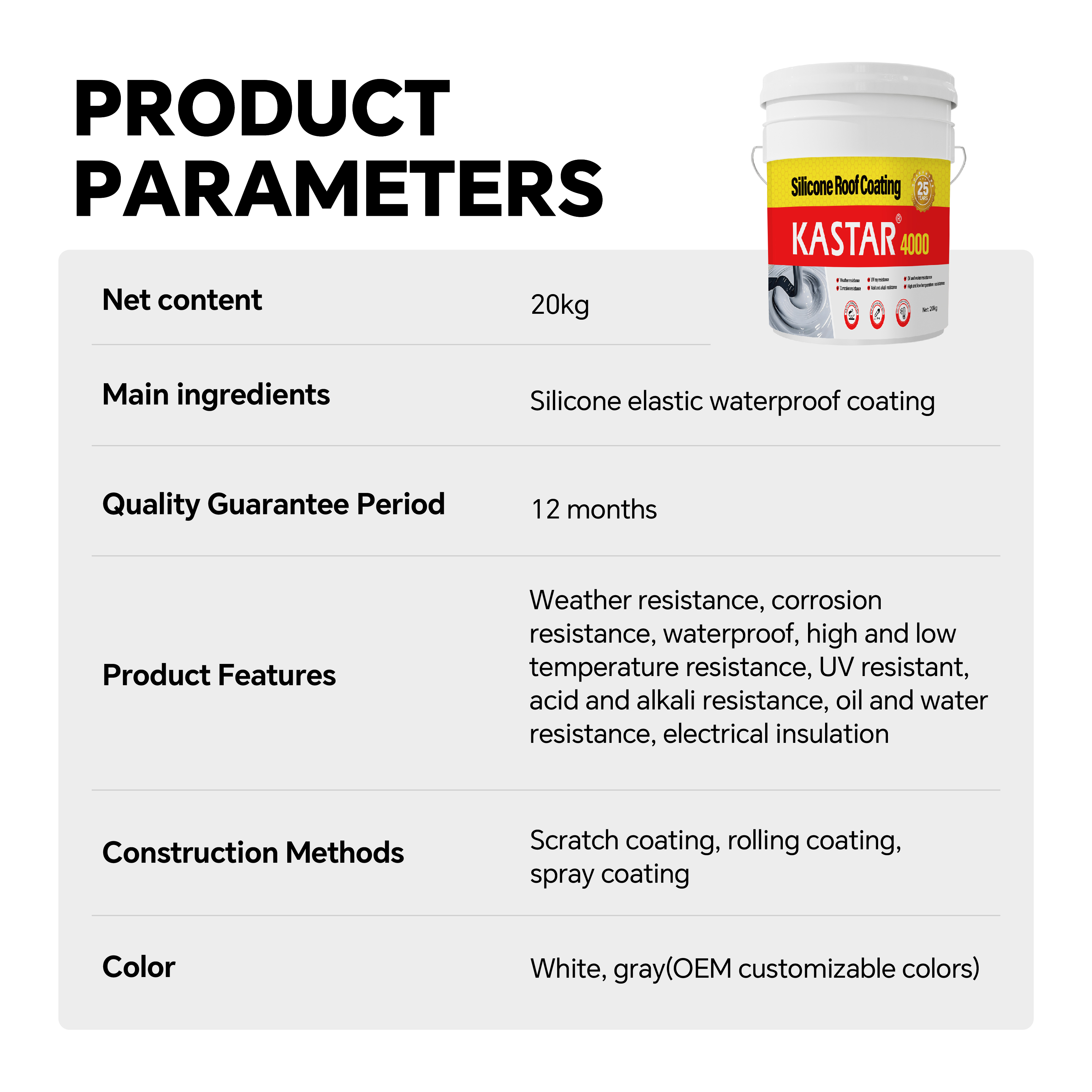
A silicone waterproof coating is a coating in which the film-forming binder is silicone. It is typically supplied as a one-component product, meaning it is used as delivered, with no on-site mixing of two components. Kastar's product data for KASTAR 4000 Silicone Waterproof Coating lists a solid content of 98% and describes the product type as a one-component, UV-resistant silicone waterproof coating with silicone as its material base.
The phrase 100% silicone waterproof coating appears frequently in buyer searches. In practice, buyers using that phrase usually mean a coating whose binder is silicone rather than an acrylic or polyurethane dispersion, not a claim about additives, fillers or packaging. Clarifying that distinction early avoids comparing two products that are not in the same class.
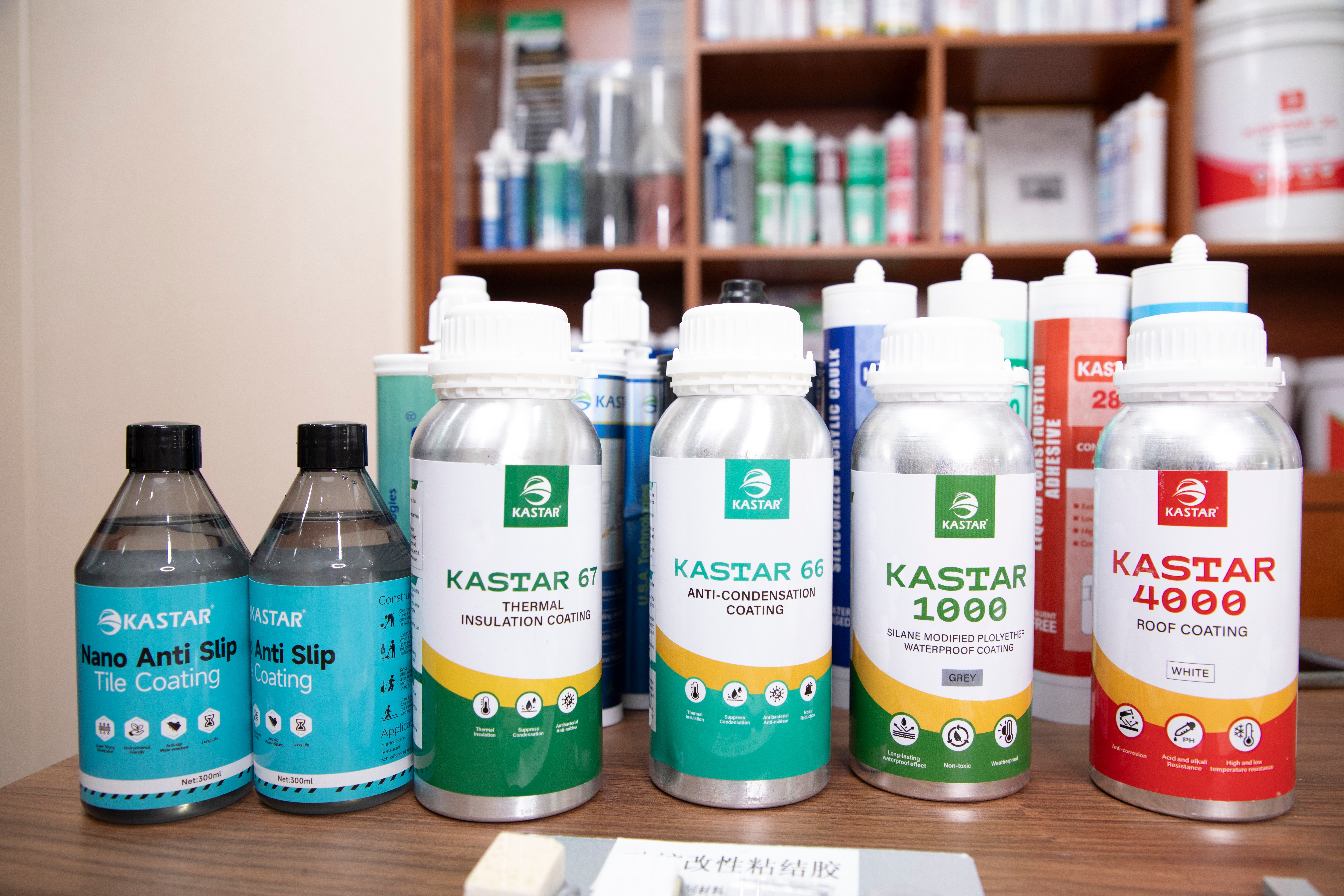
Kastar is a coatings, paints, sealants and adhesives manufacturer based in China, operating OEM and ODM programmes for waterproof coating, with its own production site and a portfolio that includes roof and exterior wall silicone waterproof coatings.
How Does the Coating Form a Waterproof Membrane?
A silicone waterproof coating is applied as a liquid and cures in place to form a continuous elastomeric film. Three things then determine how it behaves in service:
- Film continuity. Because the product is applied by brush, roller or spray, the membrane follows the geometry of the substrate and covers joints, upstands and details without seams. Kastar lists brush, roller and spray application among the supported construction methods for its silicone elastic waterproof coating.
- Volume stability during cure. With a stated solid content of 98%, the wet film and the cured film are close in volume, so the applied thickness is largely the thickness that remains in service. That matters when a specification calls for a total dry film of 0.8–1 mm.
- Flexibility after cure. Kastar's published data for KASTAR 4000 gives elongation at break of ≥200% and tensile strength of ≥1.2 MPa. A film that stretches accommodates the structural expansion and thermal movement that a rigid coating would crack over.
UV stability is the property that decides whether the film survives exposure rather than merely surviving installation. Kastar's published figure for KASTAR 4000 is UV resistance of 1000 hours with no cracking or peeling, with an operating temperature range of -80°C to 180°C and a stated outdoor service life of ≥25 years. These are company-reported figures and should be confirmed against test reports for the specific SKU and market.
Which Performance Properties Should Be Verified First?
Four properties decide most of the technical argument: tensile strength, elongation at break, UV resistance and service life under exposure. The table below places Kastar's published figures for KASTAR 4000 beside the thresholds named in ASTM D6694/D6694M-25, and explains what each value means on site.
| Property | Kastar published figure (KASTAR 4000) | Named benchmark | What it means for a project |
|---|---|---|---|
| Tensile strength | ≥1.2 MPa | ASTM D6694/D6694M-25: minimum 150 psi | Indicates the stress the cured film can carry before tearing; relevant where the membrane is walked on or mechanically cleaned. |
| Elongation at break | ≥200% | ASTM D6694/D6694M-25: minimum 100% | Indicates how far the film stretches before failure; this is the property that governs crack bridging and structural expansion. |
| Solid content | 98% | Not covered by the tensile and elongation thresholds cited above | Controls how closely wet film thickness tracks dry film thickness, and therefore how predictable consumption is. |
| UV resistance | 1000 h, no cracking or peeling | Not covered by the thresholds cited above | The deciding property for exposed roofs and sun-facing exterior walls, where the film must survive exposure rather than only installation. |
| Operating temperature | -80°C to 180°C | Not covered by the thresholds cited above | Indicates the thermal window in which the film is intended to remain serviceable across seasonal cycles. |
| Outdoor service life | ≥25 years | Not covered by the thresholds cited above | Sets the maintenance interval to plan around, and the reference point for comparing a coating against recoating cycles. |
How to read the comparison. A published figure above a minimum threshold is an arithmetic comparison, not proof of compliance. 150 psi converts to approximately 1.03 MPa, so a stated ≥1.2 MPa sits above the ASTM minimum, and ≥200% elongation sits above the 100% minimum. Compliance with ASTM D6694/D6694M-25 in a given market still depends on testing the specific product to that method and holding the resulting report. Ask for the report, not the logo.
How Do Project Conditions Change the Specification?
Silicone waterproof coating is designed for environments involving freeze-thaw cycles and structural expansion, and it operates under conditions that include high temperature, UV exposure, rain and humidity, structural expansion and freeze-thaw cycles. Those conditions do not occur in the same combination everywhere on a building, which is why a single product reference rarely covers a whole project.
| Project condition | Dominant demand on the membrane | Product positioning to check | What to confirm in writing |
|---|---|---|---|
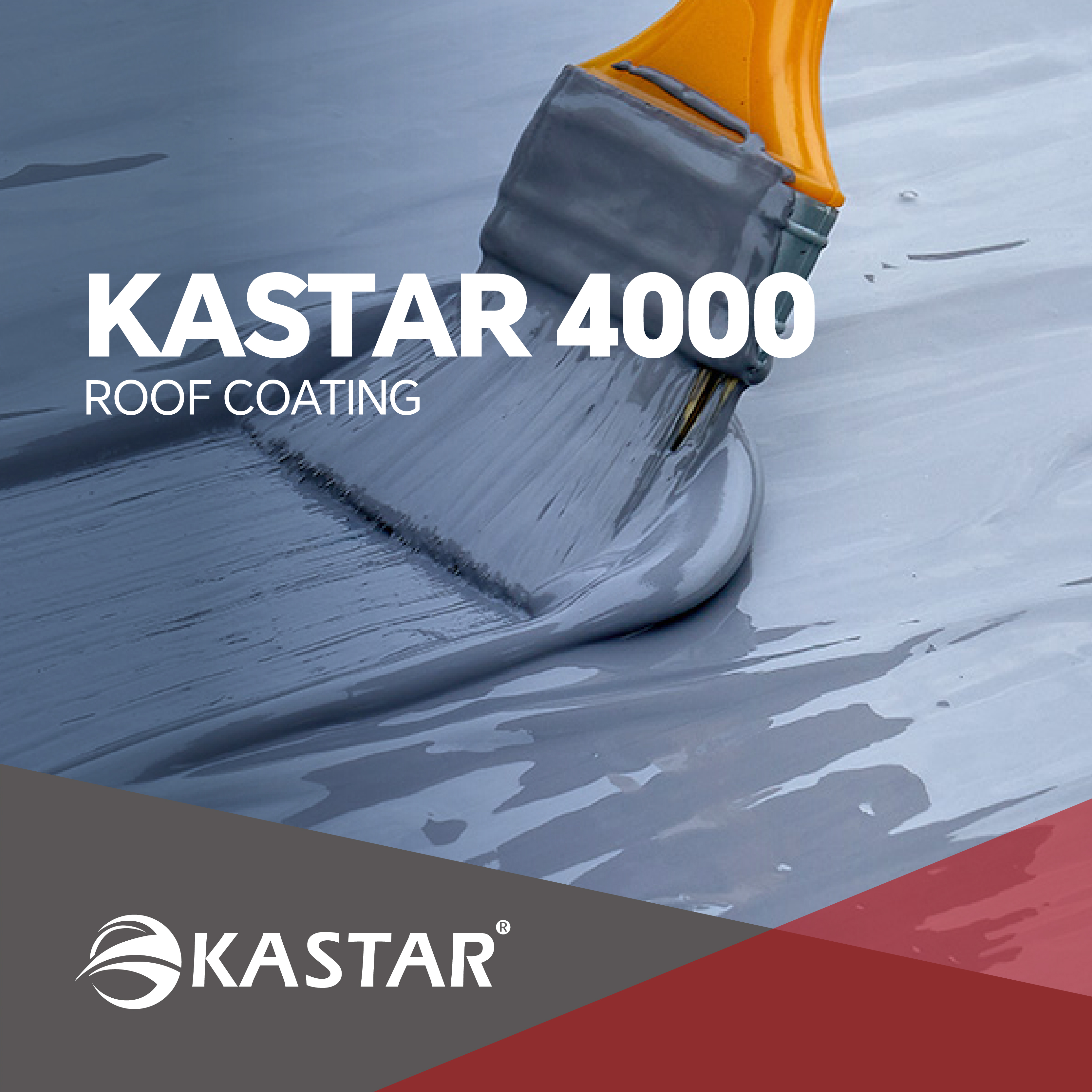
| Exposed building roof | UV exposure, high surface temperature, rain and humidity, thermal movement | KASTAR 4000 Silicone Elastic Roof Waterproof Coating is positioned for exposed building roofs | UV test duration and result; tensile and elongation values for that SKU |
| Exterior wall | Driving rain, UV on sun-facing elevations, thermal cycling, substrate movement | KASTAR 3000 Silicone Elastic Exterior Wall Waterproof Coating is listed in the portfolio as an exterior wall product | Adhesion and elongation on the actual wall substrate; finish and colour requirements |
| Basement and underground structure | Continuous moisture, limited UV, restricted access for future repair | Kastar's application references include basement and underground structure waterproofing | Which SKU is recommended for below-grade use, and the basis for that recommendation |
| Expansion joints and details | Structural expansion and movement, concentrated stress | Silicone elastic coatings are positioned for movement-accommodating films | Detail design, reinforcement fabric and required film thickness at the joint |
| Bathroom and balcony | Intermittent water, small areas, many penetrations | Kastar's application references include bathroom and balcony waterproofing | Compatibility with adjacent sealants and finishes; cure interval before tiling |
The useful habit is to write the exposure profile into the specification before the product name. Once the conditions column is filled in, the product column usually narrows to one or two candidates, and the questions you send to a supplier become technical rather than promotional.
Step-by-Step: From Condition Survey to Approved Membrane
The sequence below is the shortest reliable route from a site condition to a specification that can be quoted, sampled and inspected.
- Record the exposure profile. Note where the surface sits on the building, whether it is exposed to direct UV, whether it collects standing water, and whether it crosses movement joints. Include freeze-thaw exposure if the project is in a climate that experiences it.
- Record the substrate and the details. Substrate type, surface condition, number of penetrations, upstands and drainage path all change the quantity and the detail work, and both change the cost more than the unit price does.
- Name a performance benchmark. For liquid-applied silicone roof coatings, ASTM D6694/D6694M-25 provides tensile and elongation minimums. Where that standard does not apply, name the standard or the internal test method that does.
- Calculate quantity from published consumption. Kastar's reference for its silicone elastic waterproof coating is approximately 1 kg/m² per coat, generally two coats, to a total film thickness of 0.8–1 mm, with a coating interval of 4–12 hours depending on weather. Multiply by area and coats, then add an allowance for substrate roughness and detail work.
- Agree the application method and the crew. Brush, roller and spray are all listed methods. The method affects both the achieved film thickness and the programme, so it should be agreed before the material is ordered.
- Fix the verification documents. State in the order which documents must arrive with the goods: technical data sheet for the exact SKU, batch record, and test report. Kastar runs a 12-step production and testing sequence from production to delivery, with batch sample testing, which is the file a buyer should ask to see.
Where Is Silicone Waterproof Coating Used?
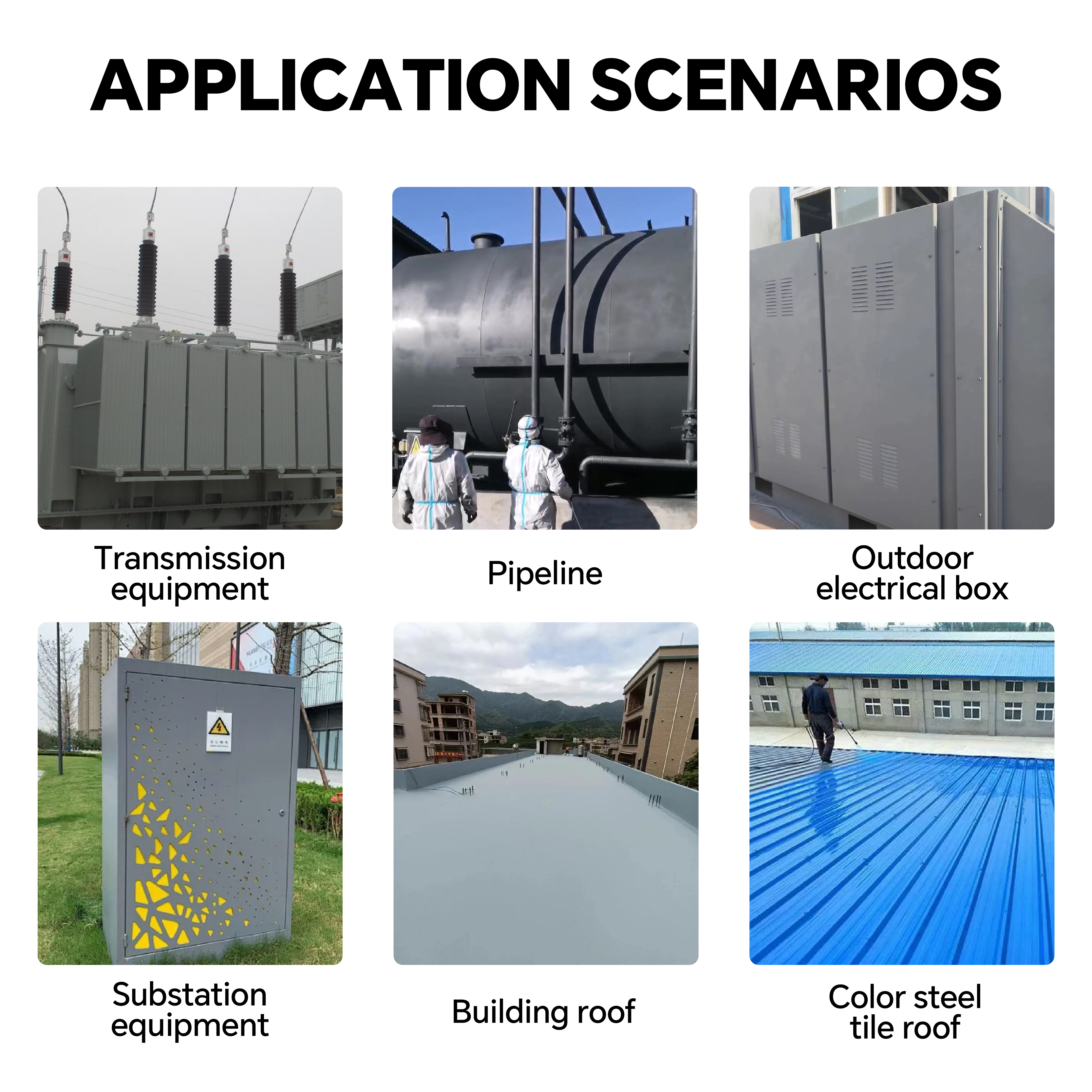
Kastar's application references and case records cover roofing, exterior walls, wet areas and below-grade structures. In practice the category is used in five recurring situations:
- Roof waterproofing and leak prevention. The most UV-exposed surface on a building, and the one where UV resistance and elongation carry the most weight.
- Exterior wall waterproofing. Driven rain and thermal cycling across large facade areas, where a continuous film reduces water paths at joints and around openings.
- Basement and underground structure waterproofing. Continuous moisture contact with limited access for future maintenance, so service life and film continuity matter more than appearance.
- Bathroom, balcony and wet area waterproofing. Small areas with many penetrations, where application method and detail work dominate the outcome.
- Expansion joint sealing and structural protection. Locations where movement is concentrated and a flexible film is the reason silicone is selected over a rigid coating.
Kastar's case record describes silicone waterproof coatings used in roof, exterior wall, bathroom, balcony, basement and underground applications, with durable performance over a 25-year horizon and use in EU, North America and Southeast Asia projects. Case records describe the supplier's own experience and are not an independent performance certificate.
What Are the Limits of the Category?
A coating is one component of a waterproofing system, and treating it as the whole system is the most common source of disappointing results.
- It is not a structural repair. Cracks that are moving because the structure is moving need a structural or joint solution; a coating accommodates movement, it does not arrest it.
- It does not replace drainage and detailing. Water that is not directed away will find a path regardless of the membrane above it.
- Its performance depends on applied thickness. The published consumption figures and film thickness range exist because the property values are tied to a properly built film, not to a single thin pass.
- Compliance is product- and market-specific. Certification claims must be read at the level of the exact SKU and the destination market, with certificate numbers, issuing bodies, scope and validity dates. A company-level certificate does not automatically cover every product in a portfolio.
How Kastar Supports Specification, Testing and Supply
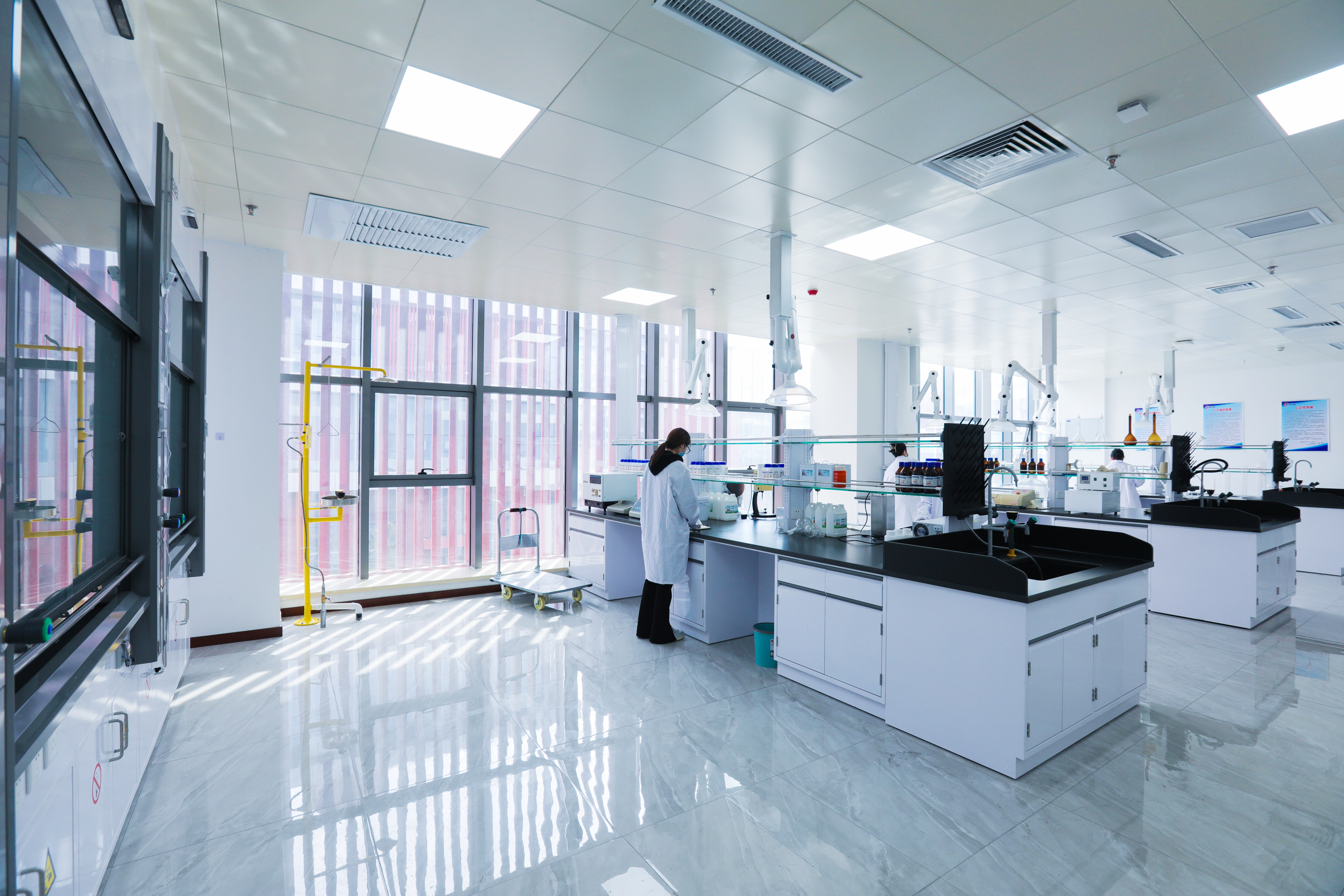
Kastar Adhesives Technologies Co., Ltd. is a China-based manufacturer of coatings, paints, sealants and adhesives with 28 years of production experience, a 150,000 m² factory, 200+ employees and an annual output of 300,000 tons. Its technical base includes 28 R&D engineers across three national-level R&D laboratories focused on silicone resins, silicone coatings and MS coatings, plus a 1,000 m² CMA-accredited sealing material testing laboratory with 16 testing personnel and more than 100 instruments.
The company states that it participates in the formulation of Chinese standards for silicone waterproof coatings and is a drafting unit for five Chinese group standards, and that it holds invention patents covering silicone waterproof coating processes and siloxane-terminated polymer preparation. Kastar reports ISO9001 certification and states that its products have passed SGS and REACH-related assessment, with CE also listed in its company profile; buyers should request the underlying certificates and reports for the specific product and market, as noted above.
For commercial supply, Kastar operates OEM and ODM programmes with customization of colour, viscosity, packaging and formulation, a stated lead time of 15–20 days, and exports to 69 countries and regions serving more than 1,000 customers. Engineers provide one-to-one construction guidance, and on-site technical support is available for large projects.
FAQ: Silicone Waterproof Coating for Construction and Decoration Professionals
Does silicone waterproof coating need certification for an export project?
It depends on the destination market and the application, not on the product name. Two separate things are being asked for. The first is a performance standard, such as ASTM D6694/D6694M-25, which sets minimum tensile strength of 150 psi and minimum elongation of 100% for liquid-applied silicone roof coatings. The second is market-access documentation: declarations, test reports and registration records. Kastar reports ISO9001 certification and states that its products have passed SGS and REACH-related assessment, with CE listed in its company profile; because CE is a conformity-marking framework rather than a single product certificate, buyers should ask for certificate numbers, issuing bodies, product scope and validity dates for the exact SKU being purchased.
Can one supplier cover both roof and exterior wall silicone coating specifications?
It depends on whether the supplier's portfolio is segmented by exposure. Kastar lists KASTAR 4000 Silicone Elastic Roof Waterproof Coating for exposed building roofs and KASTAR 3000 Silicone Elastic Exterior Wall Waterproof Coating for walls as separate SKUs within one portfolio. Using one factory for both surfaces simplifies commercial handling and batch traceability, but the technical data sheet should still be requested per SKU rather than per company, because UV exposure and substrate conditions differ between a roof and a facade.
How do I estimate how much silicone waterproof coating a project needs?
Start from the published consumption figure rather than from a rule of thumb. Kastar's reference is approximately 1 kg/m² per coat, generally two coats, to a total film thickness of 0.8–1 mm, with a coating interval of 4–12 hours depending on weather. Multiply the coated area by the number of coats, then add an allowance for substrate roughness, upstands and detail work. Because consumption drives material cost more than unit price does, this calculation is the single most useful number to normalise before comparing quotations.
How can a contractor validate a sample before full application?
Apply the sample to a representative substrate panel rather than to a smooth test plate, then measure wet film, check dry film after cure, and record the cure interval at the site temperature against the data sheet figure. Check that the batch documentation matches the sample reference. Kastar runs batch sample testing as part of its 12-step production and testing sequence, and its 1,000 m² CMA-accredited laboratory with 16 testing personnel and more than 100 instruments supports that verification.
What lead times should be planned for bulk orders?
Kastar states a lead time of 15–20 days for its waterproof coating production. A realistic plan adds the time needed for quantity confirmation, artwork approval where private label packaging is involved, production scheduling and freight. If the project has a fixed start date, the artwork approval step should be completed before the production slot is booked, because a late approval moves the whole sequence. To move from evaluation to a firm plan, request a technical data sheet and a sample against your exposure profile, or ask for a quotation based on your measured area and pack preference.
Conclusion
Silicone waterproof coating is a one-component elastomeric coating whose performance in service comes down to four verifiable numbers: tensile strength, elongation at break, UV resistance and service life — read against a named benchmark and a defined exposure profile. Everything else in a specification, from application method to consumption per square metre, exists to make sure the film that actually cures on the building matches the film that was tested.
For construction and decoration professionals, the practical outcome of this FAQ is a short checklist: write the exposure profile first, name the standard, calculate quantity from published consumption, agree the application method, and require the test documents before the material ships. Kastar's product data for KASTAR 4000 lists solid content of 98%, elongation of ≥200%, tensile strength of ≥1.2 MPa, UV resistance of 1000 hours without cracking or peeling, an operating range of -80°C to 180°C and an outdoor service life of ≥25 years, which gives specifiers a concrete baseline to test against.
Next Step: Sample, Data Sheet or Quotation
Kastar supplies silicone waterproof coating for roof, exterior wall, basement and wet area projects, and operates OEM and ODM programmes for distributors and brand owners with customization of colour, viscosity, packaging and formulation.
- Request a sample and the technical data sheet for the SKU matching your exposure profile.
- Send a measured area and pack preference to receive a quotation with a 15–20 day lead time.
- Download the full product catalogue and specification brochure: Kastar Product Brochure (PDF)
- Company website: www.kastarcoating.com
Contact: Nicole · Email: paint4566@kastarpaint.com · Tel / WhatsApp: +86 15974221507 · Message on WhatsApp