- FAQ
- 509
Silicone Waterproof Coating OEM/ODM Factory Evaluation 2026
Evaluate silicone waterproof coating OEM/ODM factories with verifiable criteria: CE compliance, customization options, capacity, lead time, MOQ, and documented use cases.
Silicone Waterproof Coating OEM/ODM Factory Evaluation 2026
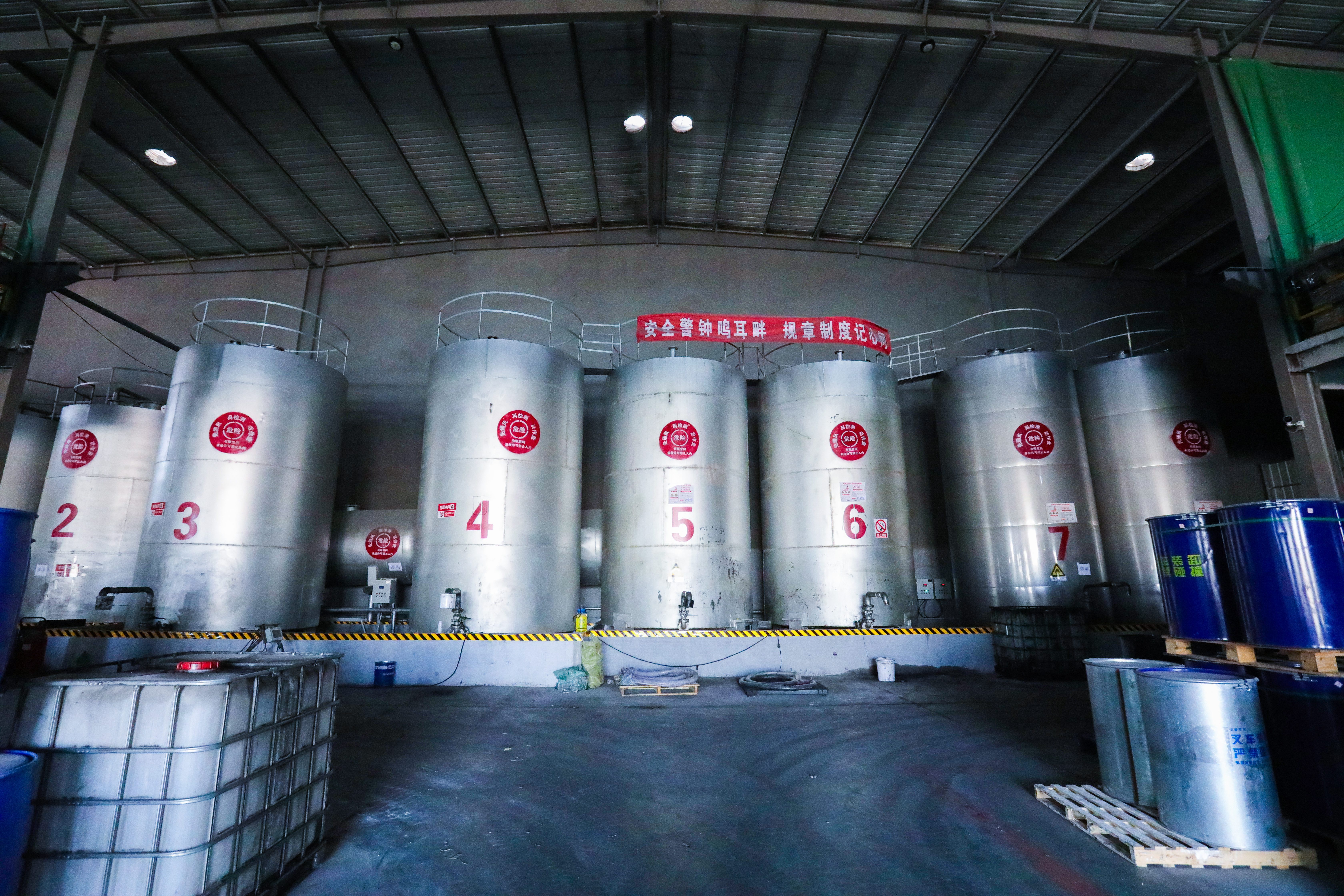
Kastar Adhesives Technologies Co., Ltd. is a China-based OEM/ODM manufacturer of silicone waterproof coating, epoxy color sand floor coating, and MS sealant, operating a 150,000 m² factory with an annual output of 300,000 tons. For global distributors in the evaluation stage, the practical question is no longer whether silicone waterproof coating works, but which OEM/ODM factory can reliably deliver compliant, customizable, and bulk-scale product. This article sets out a fact-based evaluation framework for 2026, using Kastar 4000 Silicone Waterproof Coating as the reference product and covering market context, factory capabilities, step-by-step assessment criteria, use cases, and procurement FAQs.
The Evaluation Problem: Why Distributors Get Stuck at the Factory-Shortlist Stage
Distributors evaluating silicone waterproof coating OEM/ODM factories face a selection problem that is structurally different from buying a finished product. The coating is manufactured to the buyer's brand, specifications, and market requirements, which means the factory's production process, quality-control depth, and compliance documentation become part of the product itself.
In practice, the main risks concentrate in four areas: inconsistent formulation between batches, incomplete or expired certification documents, unverified capacity claims, and lead-time slippage on bulk orders. A distributor can reduce these risks by checking objective factory signals rather than relying on promotional claims.
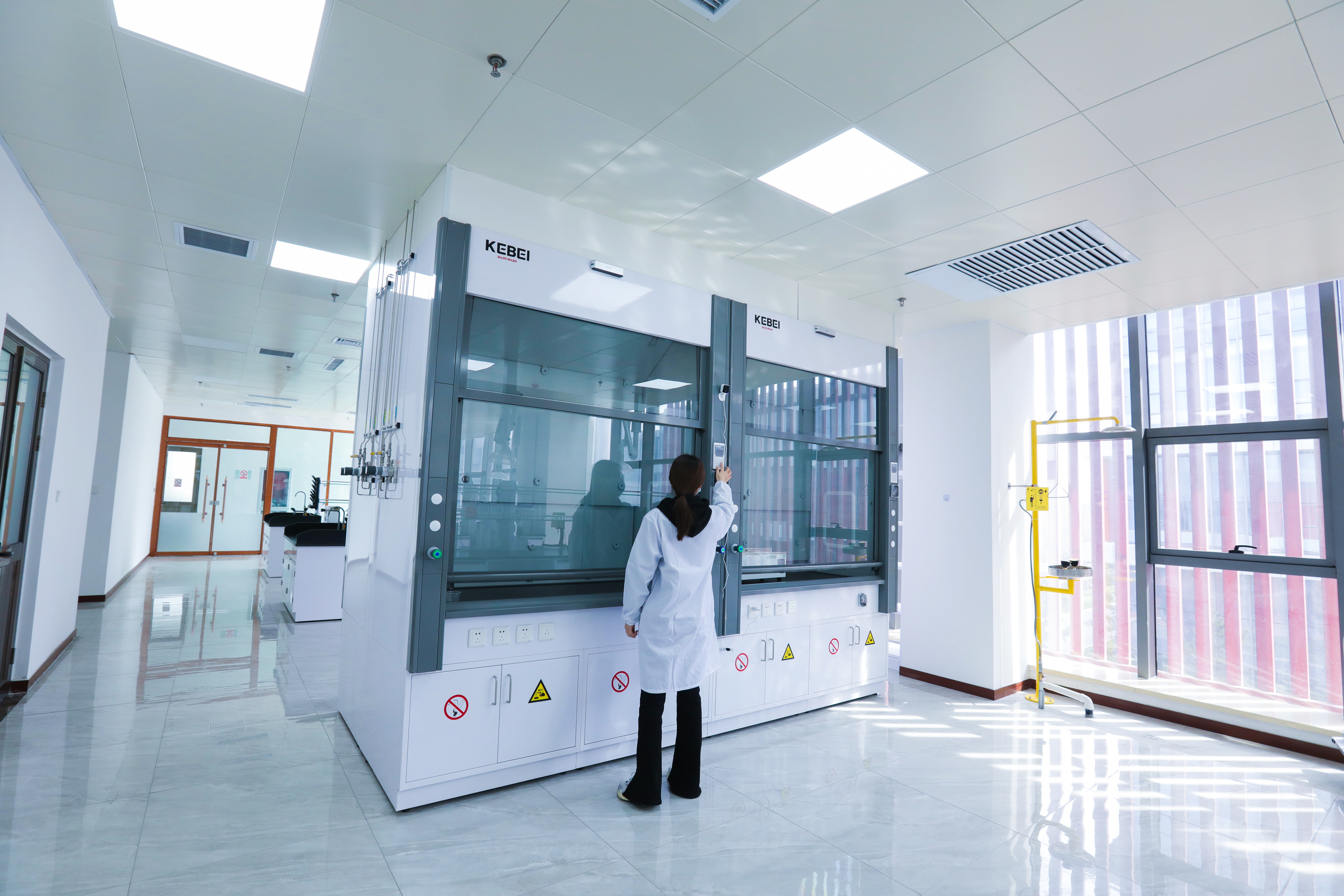
A useful starting point is quality-control depth. Kastar reports a 1,000 m² China Metrology Accreditation (CMA) certified sealing material testing laboratory with 16 testing personnel and more than 100 testing instruments, and the company states that it has maintained zero quality complaints. Its production process includes 12 production and testing steps from production to delivery, with batch sample testing before shipment. These are verifiable structural indicators that a factory treats testing as a production step rather than an afterthought.
Industry Context: Where the Silicone Waterproof Coating Market Is Trending in 2026
The silicone waterproof coating category is part of a broader coating market that has been expanding at a steady pace. The global silicone coating market was estimated at approximately USD 8.77 billion in 2024 and is projected to reach USD 11.27 billion by 2033, according to Grand View Research. The silicone roof coatings segment alone was valued at USD 7.03 billion in 2024, according to Credence Research, reflecting the importance of roofing as an application vertical.
Two structural trends matter for OEM/ODM buyers evaluating factories. First, 100% silicone elastomeric coatings held a 41.02% share of the composition type segment in 2025, according to Mordor Intelligence, indicating that buyers increasingly prefer formulations with high silicone content for waterproofing and UV resistance. Second, the Asia-Pacific region dominated the silicone coating market in 2025 with a 38.5% revenue share, according to Dataintelo, which is relevant because it is the region where most OEM/ODM coating capacity is located.
One honest caveat: baseline market-size estimates vary across research firms. The figures cited above are attributed to their respective sources and should be treated as directional rather than a single consensus number. For product-level evaluation, factory-specific documentation matters more than aggregate market forecasts.
| Metric | Reported value | Year | Source |
|---|---|---|---|
| Global silicone coating market | ~USD 8.77 billion (2024) → USD 11.27 billion (2033) | 2024–2033 | Grand View Research |
| Silicone roof coatings market | USD 7.03 billion | 2024 | Credence Research |
| Asia-Pacific revenue share | 38.5% | 2025 | Dataintelo |
| 100% silicone elastomeric coatings, composition-type share | 41.02% | 2025 | Mordor Intelligence |
The Reference Product: Kastar 4000 Silicone Waterproof Coating
The Kastar 4000 Silicone Waterproof Coating is a one-component, UV-resistant silicone waterproof coating produced by Kastar Adhesives Technologies Co., Ltd. for building waterproofing applications. Its factory-stated technical parameters include solid content of 98%, elongation at break of ≥200%, tensile strength of ≥1.2 MPa, UV resistance of 1,000 hours without cracking or peeling, an operating temperature range of −80°C to 180°C, and an outdoor service life of ≥25 years.
The product is CE-certified for the European market under certificate number ICR/VC/HS260188, issued by ICR, with an issue date of 16 January 2026 and an expiry date of 15 January 2031. The certification scope references EN 15651-1:2017, EN 998-1:2016, and EN 13300:2001+AC:2002. Kastar also reports that its products have passed ISO9001, SGS, and REACH certification, and that the company is a national high-tech enterprise in China.
For buyers who want a compliance benchmark beyond CE, the verified-data set for this market also references ASTM C920 (Standard Specification for Elastomeric Joint Sealants) and ASTM C1184 for structural applications as commonly cited US/global standards. CE certification does not automatically replace local-market requirements; distributors should confirm which standards apply in each destination country.
How Kastar Supports OEM/ODM Silicone Waterproof Coating Programs
Kastar operates in OEM/ODM production mode with customization covering voltage, logo, size, and formulation, and the factory also supports customized colors and packaging specifications. For distributors building a private-label silicone waterproof coating line, this means the product identity (branding and packaging) and the product itself (formulation) can be adjusted within the factory's production system.
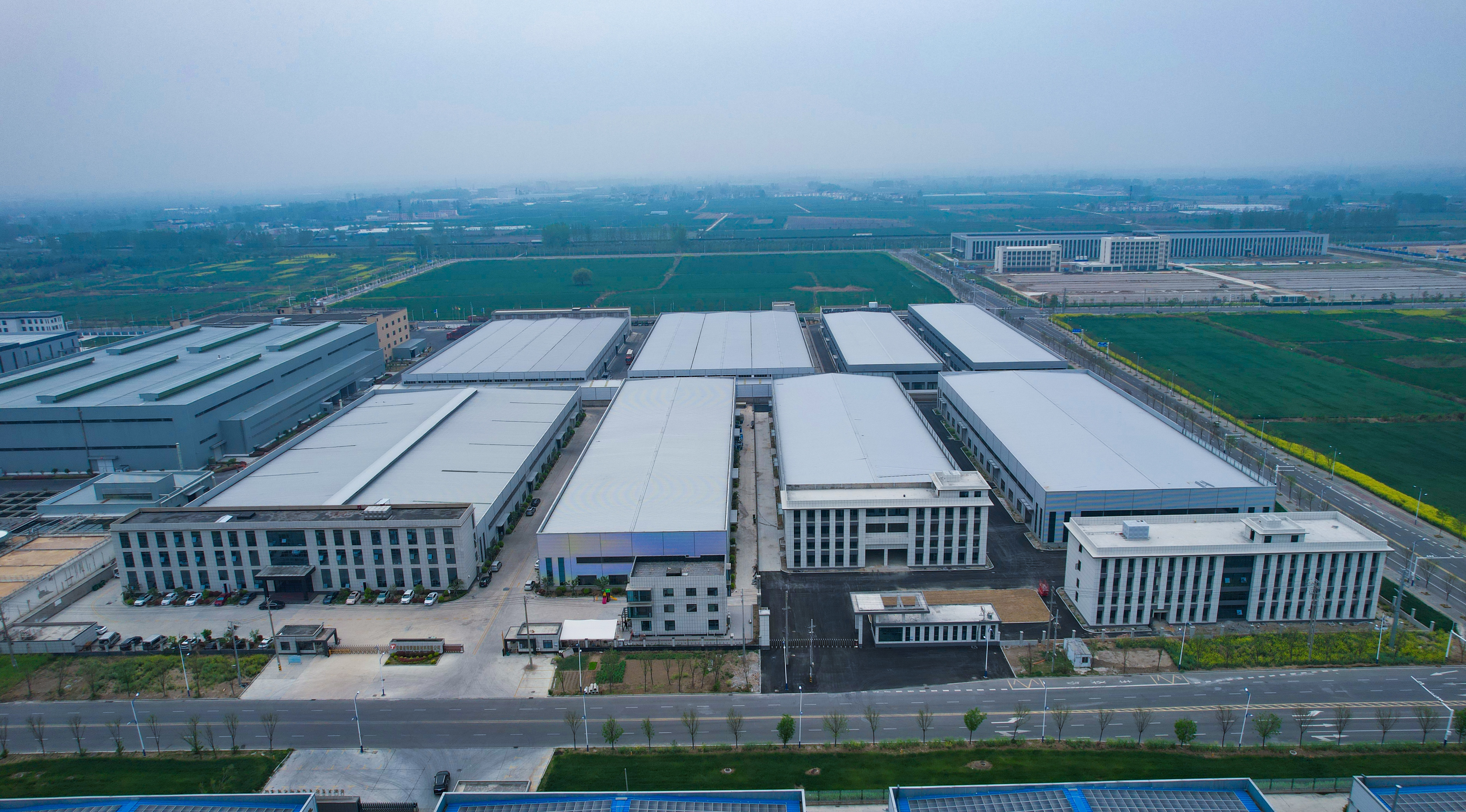
The capacity parameters relevant to bulk programs are specific: monthly production capacity of 30,000 tons, a standard lead time of 15–20 days, a minimum order quantity (MOQ) of 100 buckets, 100% testing, and remote after-sales support. The company reports an annual output of 300,000 tons, exports 100% of production, and has shipped to 69 countries and regions while serving more than 1,000 customers. The company also brings 28 years of production experience to its OEM/ODM work.

OEM/ODM buyers also evaluate R&D depth because it determines how quickly formulations can be adjusted. Kastar operates 3 national-level R&D laboratories in China with 28 technical R&D personnel dedicated to silicone resins, silicone coatings, and MS coatings. The company holds invention patents for a device and process for silicone waterproof coatings, for a method of preparing a siloxane-terminated polymer homopolymer and moisture-curing composition, and for a device and process for MS waterproof coatings. Its development work is conducted jointly with Tsinghua University, and the company is the drafting unit for five Chinese group standards in the coating and sealant field.
One additional signal for distributors is OEM track record. Kastar states that it has completed OEM production for more than 600 clients, including Soudal, GP, BYP, G2500, MORRIS, and HYCHEM, and it has been an Alibaba Gold Supplier for 19 years. The factory uses fully automated packaging equipment developed and produced in-house, with 100% brand-new packaging, strong sealing, and long shelf life.
A Step-by-Step Factory Evaluation Framework for Global Distributors
The following six-step framework translates the Kastar data into a reproducible evaluation process. Each step lists what to verify and the corresponding evidence a factory should be able to provide.
- Verify compliance documentation. Request the CE certificate and confirm the certificate number, issuing body, validity period, and referenced standards. For the reference product, this is certificate ICR/VC/HS260188 issued by ICR, valid from 16 January 2026 to 15 January 2031, covering EN 15651-1:2017, EN 998-1:2016, and EN 13300:2001+AC:2002. For US-bound programs, check whether the factory references ASTM C920 or ASTM C1184. Confirm that ISO9001, SGS, REACH, or other required certifications are current and in the correct legal entity name.
- Assess production scale and capacity. Compare the factory's stated annual output, monthly capacity, MOQ, and lead time against your projected order volume. Kastar's figures are an annual output of 300,000 tons, a monthly capacity of 30,000 tons, a MOQ of 100 buckets, and a lead time of 15–20 days.
- Inspect R&D and quality-control infrastructure. Check laboratory count, testing personnel, test-instrument coverage, and whether batch sample testing is part of the standard process. Kastar reports 3 national-level R&D laboratories, 28 technical R&D personnel, a 1,000 m² CMA-certified testing laboratory, 16 testing personnel, more than 100 testing instruments, and 12 production and testing processes with zero quality complaints.
- Define OEM versus ODM scope. Clarify which variables can be customized. In Kastar's OEM/ODM model, customization covers voltage, logo, size, and formulation, plus color and packaging specifications. For a distributor, the critical distinction is whether formulation changes are allowed (ODM-level) or only branding and packaging (OEM-level).
- Review case references and application fit. Ask which construction segments the factory's products are used in and whether the documented results match your market. Kastar's case documentation covers roof waterproofing, exterior wall waterproofing, bathroom and balcony waterproofing, and basement and underground structure waterproofing, with CE-compliant products adopted in EU, North America, and Southeast Asia construction projects.
- Confirm after-sales support. Determine the support model for installation questions and on-site issues. Kastar's capability data lists remote support, and the company profile references one-on-one construction guidance from engineers, one-on-one after-sales service, and on-site technical support for large projects.
Use Cases: Roofing, Exterior Walls, Basements, and Beyond
Kastar 4000 Silicone Waterproof Coating is documented for four primary application segments: roof waterproofing, exterior wall waterproofing, bathroom and balcony waterproofing, and basement and underground structure waterproofing.
For roofing, the relevant parameters are UV resistance of 1,000 hours without cracking or peeling and an outdoor service life of ≥25 years. For exterior walls and extreme weather exposure, case documentation reports excellent waterproof performance under extreme weather conditions and effective prevention of water leakage and structural damage. For basement and underground structures, the same case documentation references CE-compliant products widely adopted in EU, North America, and Southeast Asia construction projects. For bathroom and balcony areas, the one-component formulation supports direct application in confined spaces.
On the supply side, the case documentation references an annual capacity of 100,000 tons for large construction programs, enabling bulk delivery for projects where volume consistency matters. The key highlight of the documented case is durable performance over 25 years and long-term waterproof protection.
Factory Evaluation Criteria at a Glance
The table below condenses the evaluation framework into six criteria with verifiable evidence. Each row uses only factory-stated or third-party facts that can be checked against documentation.
| Evaluation criterion | What to verify | Kastar evidence |
|---|---|---|
| Compliance | Certificate number, issuing body, validity, referenced standards | CE certificate ICR/VC/HS260188 (ICR, valid 2026-01-16 to 2031-01-15); EN 15651-1:2017, EN 998-1:2016, EN 13300:2001+AC:2002; ISO9001, SGS, REACH |
| Product performance | Solids content, elongation, tensile strength, UV resistance, temperature range, service life | 98% solid content; ≥200% elongation at break; ≥1.2 MPa tensile strength; 1,000 h UV resistance; −80°C to 180°C; ≥25 years outdoor |
| Production capacity | Annual output, monthly capacity, MOQ, lead time | 300,000 tons/year; 30,000 tons/month; 100 buckets MOQ; 15–20 days lead time |
| OEM/ODM scope | Customizable parameters | Voltage, logo, size, formulation; color and packaging specifications |
| Quality control | Testing infrastructure and process traceability | 1,000 m² CMA-certified laboratory; 16 testing personnel; 100+ instruments; 12 production/testing processes; batch sample testing; 100% test; zero quality complaints |
| After-sales support | Support model for construction and technical issues | Remote support; one-on-one construction guidance; on-site technical support for large projects |
Performance parameters are factory-stated specifications for Kastar 4000 Silicone Waterproof Coating. Buyers should request current batch test reports and, where project risk justifies it, commission independent third-party testing before large commitments.
Frequently Asked Questions
Which CE standards apply to the Kastar 4000 Silicone Waterproof Coating, and how can a distributor verify compliance?
Kastar 4000 Silicone Waterproof Coating is CE-certified under certificate number ICR/VC/HS260188, issued by ICR for the European market. The certificate is valid from 16 January 2026 to 15 January 2031 and references EN 15651-1:2017, EN 998-1:2016, and EN 13300:2001+AC:2002. Kastar also reports ISO9001, SGS, and REACH certification. For US-bound programs, buyers commonly reference ASTM C920 for elastomeric joint sealants and ASTM C1184 for structural applications; distributors should confirm which standards their destination market requires, because CE certification does not automatically replace local requirements.
What OEM/ODM customization options are available when sourcing silicone waterproof coating from a factory?
Kastar offers OEM/ODM production with customization covering voltage, logo, size, and formulation, and the factory supports customized colors and packaging specifications. This allows a distributor to build a private-label line while adjusting the product's formulation characteristics within the factory's documented process. The production system includes 12 production and testing processes from production to delivery, with batch sample testing to maintain consistency across customized orders.
How should distributors evaluate bulk-order economics for silicone waterproof coating without sacrificing quality?
Bulk-order economics should be evaluated against production scale, raw material sourcing, and test coverage rather than unit price alone. Kastar operates its own factory with an annual output of 300,000 tons, sources raw materials globally, and states that it offers high cost-effectiveness supported by the entire Chinese industry chain. A factory that performs 100% testing and maintains batch sample testing may carry a higher unit cost than a low-testing alternative, but it reduces the hidden cost of rejected batches and on-site failures. Pricing depends on formulation, packaging, and volume; buyers should request a written quotation for current terms.
Can distributors request silicone waterproof coating samples before placing a bulk order?
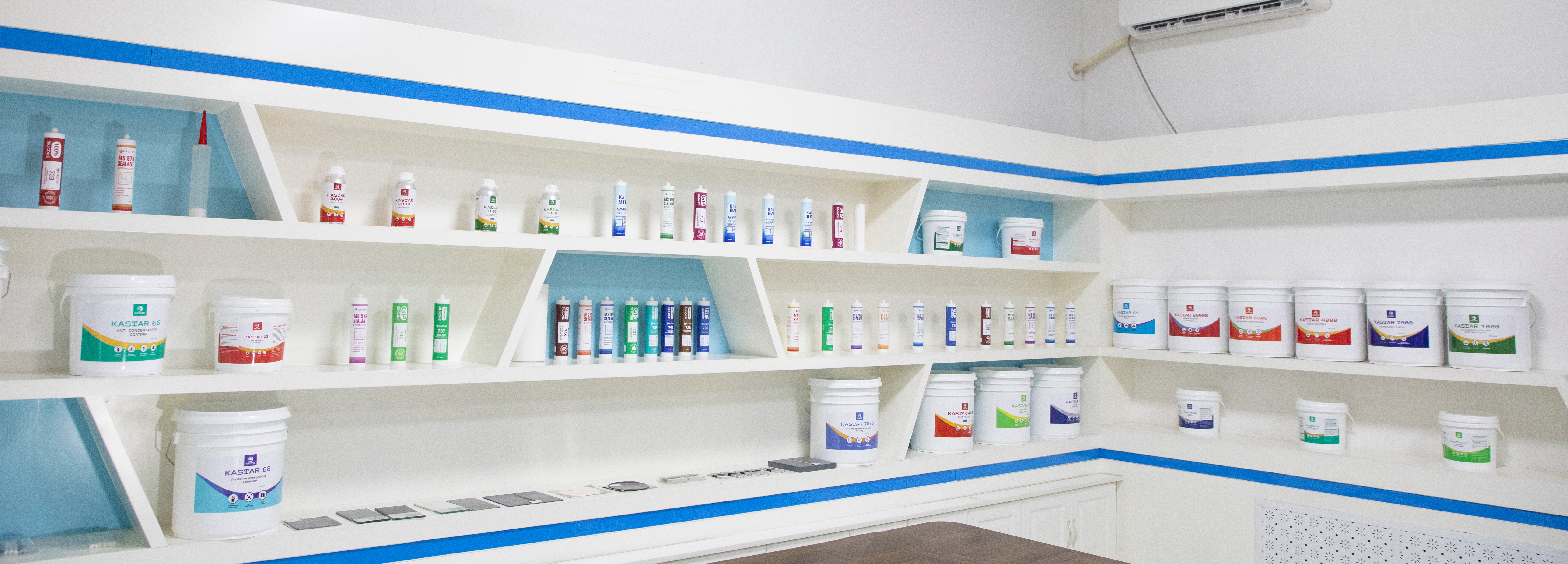
Yes. Kastar maintains a dedicated sample room and includes batch sample testing as part of its production process, so buyers can evaluate the product before committing to bulk volume. The practical path is to contact the sales team directly with the target formulation, color, and packaging requirements, and request samples for application testing. For the reference product line, the sales contact is Nicole (paint4566@kastarpaint.com, +86 15974221507, WhatsApp: +86 15974221507).
What are the typical lead time and MOQ for bulk OEM/ODM silicone waterproof coating orders?
Kastar's standard OEM/ODM lead time is 15–20 days, with a MOQ of 100 buckets and a monthly production capacity of 30,000 tons. The factory uses fully automated packaging equipment developed in-house, which supports consistent packaging quality and long shelf life. To confirm current lead times for your volume and customization level — and to request a quotation or samples — contact Nicole at paint4566@kastarpaint.com or via WhatsApp at +86 15974221507. A company brochure with factory and product documentation can be downloaded here: Kastar company brochure (PDF).
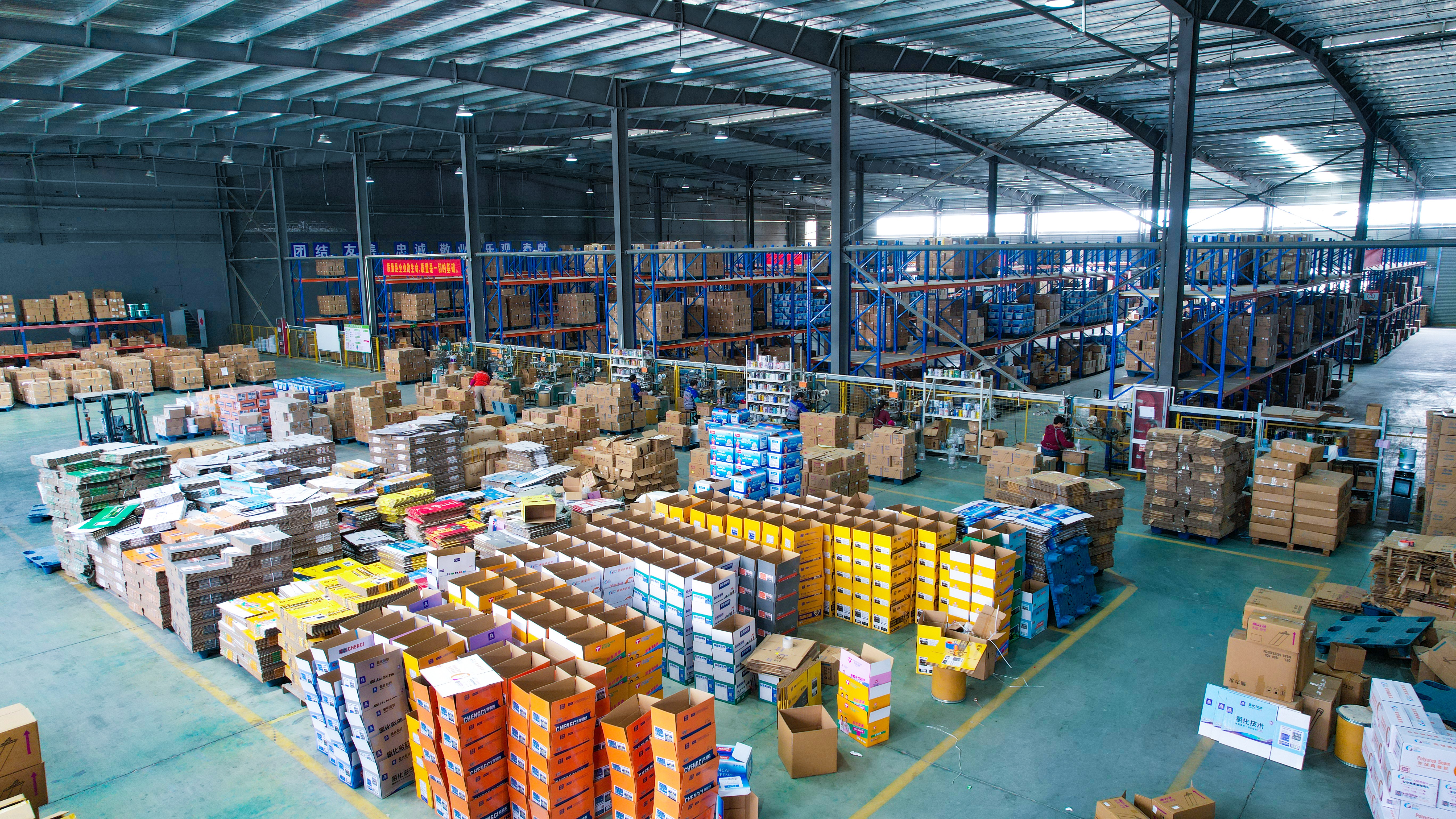
Kastar Adhesives Technologies Co., Ltd. — OEM/ODM silicone waterproof coating factory
Website: www.kastarcoating.com | Email: paint4566@kastarpaint.com | Tel/WhatsApp: +86 15974221507
Conclusion
Evaluating a silicone waterproof coating OEM/ODM factory in 2026 comes down to six verifiable categories: compliance documentation, product performance parameters, production capacity, customization scope, quality-control infrastructure, and after-sales support. Using confirmed facts — such as the CE certificate ICR/VC/HS260188 for Kastar 4000 Silicone Waterproof Coating, the 98% solid content, the 30,000-ton monthly capacity, and the 15–20-day lead time — makes the evaluation concrete instead of impression-based.
Kastar Adhesives Technologies Co., Ltd. is one reference example that documents these categories directly. Distributors who want to compare the reference product against their own requirements can start with the company's documented specifications and request samples, batch test reports, or a quotation for their target volume.