
- FAQ
- 821
Silicone Waterproof Coating Specifications and Parameters: A Technical Deep Dive for Distributors and Specifiers
A technical deep dive into the specs and parameters of silicone waterproof coating, and how real-time in-line quality monitoring keeps batch consistency, elasticity and UV performance repeatable.
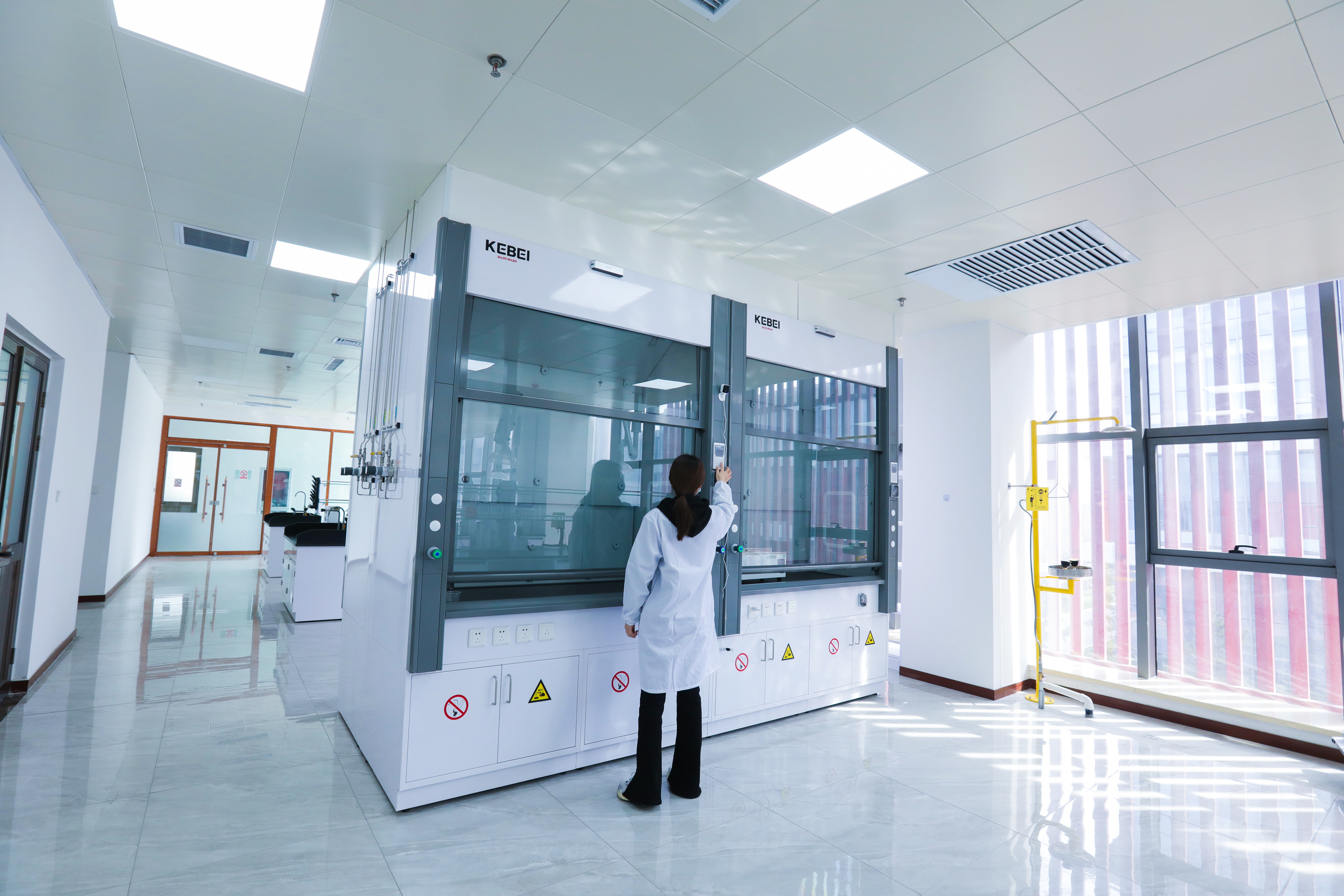
Silicone Waterproof Coating Specifications and Parameters: A Technical Deep Dive for Distributors and Specifiers
A silicone waterproof coating is only as dependable as the parameters written into its specification and the process discipline that holds those parameters steady across every batch. For buyers who have already selected the chemistry and are moving into execution, the decisive question is no longer which coating type works — it is which measurable properties a supplier can guarantee on every delivery, for every roof, exterior wall or basement project, across a service life measured in decades.
This technical deep dive is written for distributors, contractors, specifiers and procurement teams converting a product decision into a long-term supply program. It separates the parameters that genuinely predict field performance from the ones that merely look impressive on a data sheet, explains why real-time in-line quality monitoring is the control point that determines whether a specification survives contact with production, and shows how Kastar's technical infrastructure translates into repeatable product behaviour.
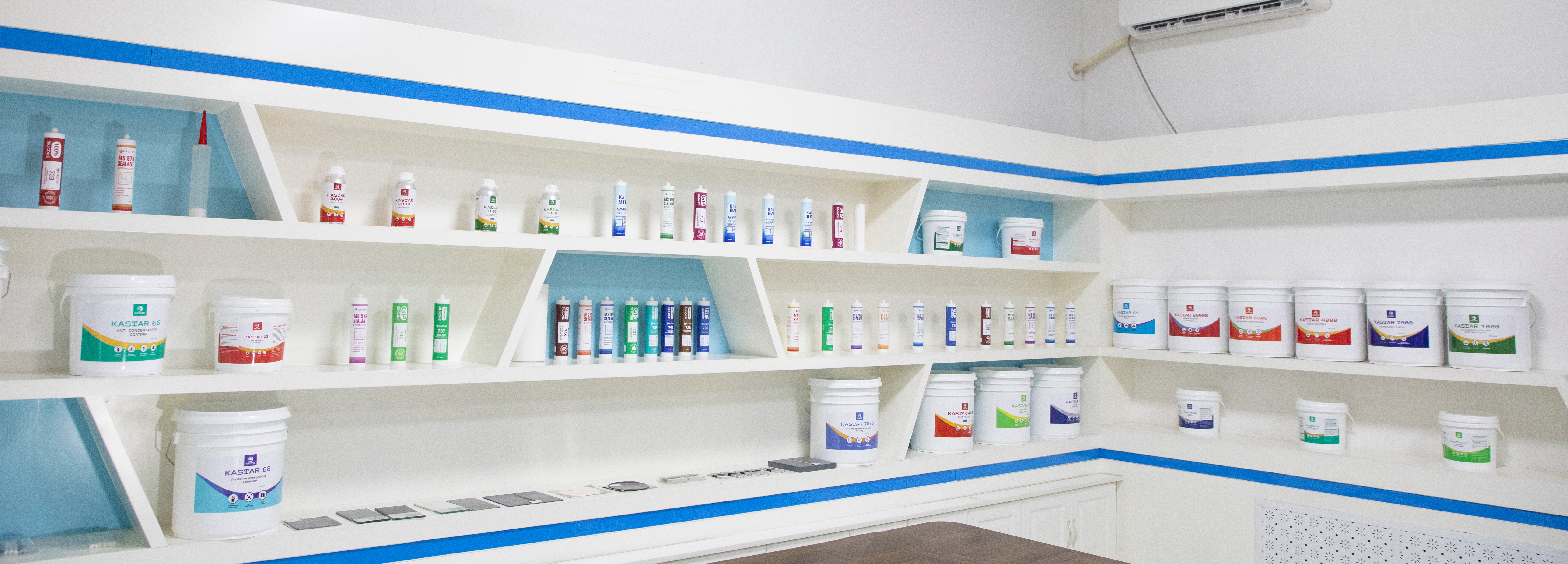
Kastar Adhesives Technologies Co., Ltd is a China-based manufacturer of silicone waterproof coating, epoxy color sand floor coating and MS sealant, operating a 150,000 m² production base, holding CE, SGS, REACH and ISO 9001 credentials, and exporting to 69 countries and regions.
Why two seemingly identical silicone waterproof coatings behave differently on site
Most silicone waterproof coating complaints that surface in year five or year eight are not caused by the wrong chemistry. They are caused by variance — the gap between what a sample demonstrated and what a production batch actually delivered. Three specific problems drive that gap.
- A data sheet is a target, not a distribution. A laboratory sample can meet every stated value while successive production batches drift within the same nominal window. Buyers who specify a single number instead of a controlled range inherit that drift.
- Failure modes appear in the film, not in the container. Bubbling, cracking and loss of elasticity are the visible outcomes, but they originate upstream in raw material consistency, mixing control and cure behaviour — none of which are visible at the point of purchase.
- Inconsistency is a channel problem, not a project problem. For a distributor carrying a branded coating line, one failed batch damages trust across an entire territory. The commercial cost of a return, a re-coating claim or a lost specification approval usually exceeds the price difference between two suppliers by a wide margin.
The practical consequence is that a specification should not ask only what the product is. It should ask how the supplier proves the product stays the same.
The market context behind stricter specification practice
Buyers are tightening specifications because the category itself is expanding and the cost of under-specifying is rising. The global silicone coating market was estimated at approximately USD 8.77 billion in 2024 and is projected to reach USD 11.27 billion by 2033 (Grand View Research). The silicone roof coatings segment alone was valued at USD 7.03 billion in 2024 (Credence Research), confirming that roofing — the most UV-exposed application in construction — is a dominant demand driver.
Regional concentration matters for sourcing strategy. Asia-Pacific accounted for a 38.5% revenue share of the silicone coating market in 2025, led by construction and automotive demand (Dataintelo). For importers and distributors, that concentration explains both the depth of available manufacturing capacity and the wide spread in supplier quality that comes with it.
Composition trends point the same way. 100% silicone elastomeric coatings held a 41.02% share of the composition-type segment in 2025, a position attributed to superior waterproofing and UV resistance (Mordor Intelligence). In other words, the specification conversation is increasingly a conversation about which silicone system, not whether to use silicone at all.
Two further pressures shape modern specifications. First, environmental compliance: solvent-less and UV-cured silicone formulations can reduce VOC emissions by 60–80% compared with traditional solvent-based platforms (Grand View Research), which matters for projects with indoor air quality or volatile-organic-compound limits. Second, recognised standards: construction sealants and coatings are frequently required to demonstrate conformity with reference specifications such as ASTM C920 and ASTM C1184 (ASTM International), even where a local CE or SGS route is used for market access.
Note on data: baseline market-size estimates for silicone coatings vary meaningfully between research firms. Grand View Research, Strategic Market Research and Dataintelo have published different 2024–2025 baseline values. Treat absolute figures as directional and use them for trend reasoning rather than for budgeting.
The parameters that belong in a silicone waterproof coating specification
A specification that can actually be enforced covers five parameter families. Each one answers a different question, and each one should be tied to an evidence requirement rather than a verbal assurance.
1. Composition baseline
The first and most consequential decision is whether the product is a 100% silicone elastomeric coating or a modified system blended with other chemistries. Weather resistance, permanent elasticity and UV stability all follow from that choice, which is why 100% silicone systems command the composition share they do. Viscosity should be recorded as an agreed working range rather than a single figure, because viscosity is a tunable production variable — Kastar offers viscosity, colour, packaging and formula adjustments as part of its OEM/ODM service, so the agreed value belongs in the contract, not in an assumption.
2. Elasticity and mechanical behaviour
Elasticity is the property that lets the film follow substrate movement — thermal cycling on a roof deck, differential movement across a wall, settling in a below-grade slab — without rupturing. The parameters worth fixing are elongation at break and elasticity retention across the service window. Kastar's product comparison data reports +200% elongation at break relative to acrylic and polyurethane waterproof coatings, and describes elasticity as permanent rather than temporary. A specification should ask for the measured value and the test method behind it, not the adjective.
3. Weathering and UV performance
UV exposure drives chalking, embrittlement and progressive loss of waterproofing, so accelerated weathering evidence is one of the strongest discriminators between suppliers. In the same comparison data, silicone waterproof coating is reported with a 30% aging rate and a 0 bubbling rate under a 1,000-hour UV test, against acrylic and polyurethane systems. Silicone films also carry a secondary functional benefit: high solar reflectivity reduces roof and wall temperature, lowering air-conditioning load, and a long service life cuts the energy consumed by repeated re-coating cycles.
4. Compliance documentation
Compliance parameters are binary and therefore the easiest to verify. Kastar products hold ISO 9001, CE, SGS and REACH certification, and the company is recognised as a national high-tech enterprise. Beyond product certificates, standard-setting participation is a useful signal: Kastar is a participant in the formulation of Chinese standards for silicone waterproof coatings, the drafting unit for five Chinese group standards, and the initiator and formulator of Chinese standards for silicone sealants.
5. Packaging, colour and storage parameters
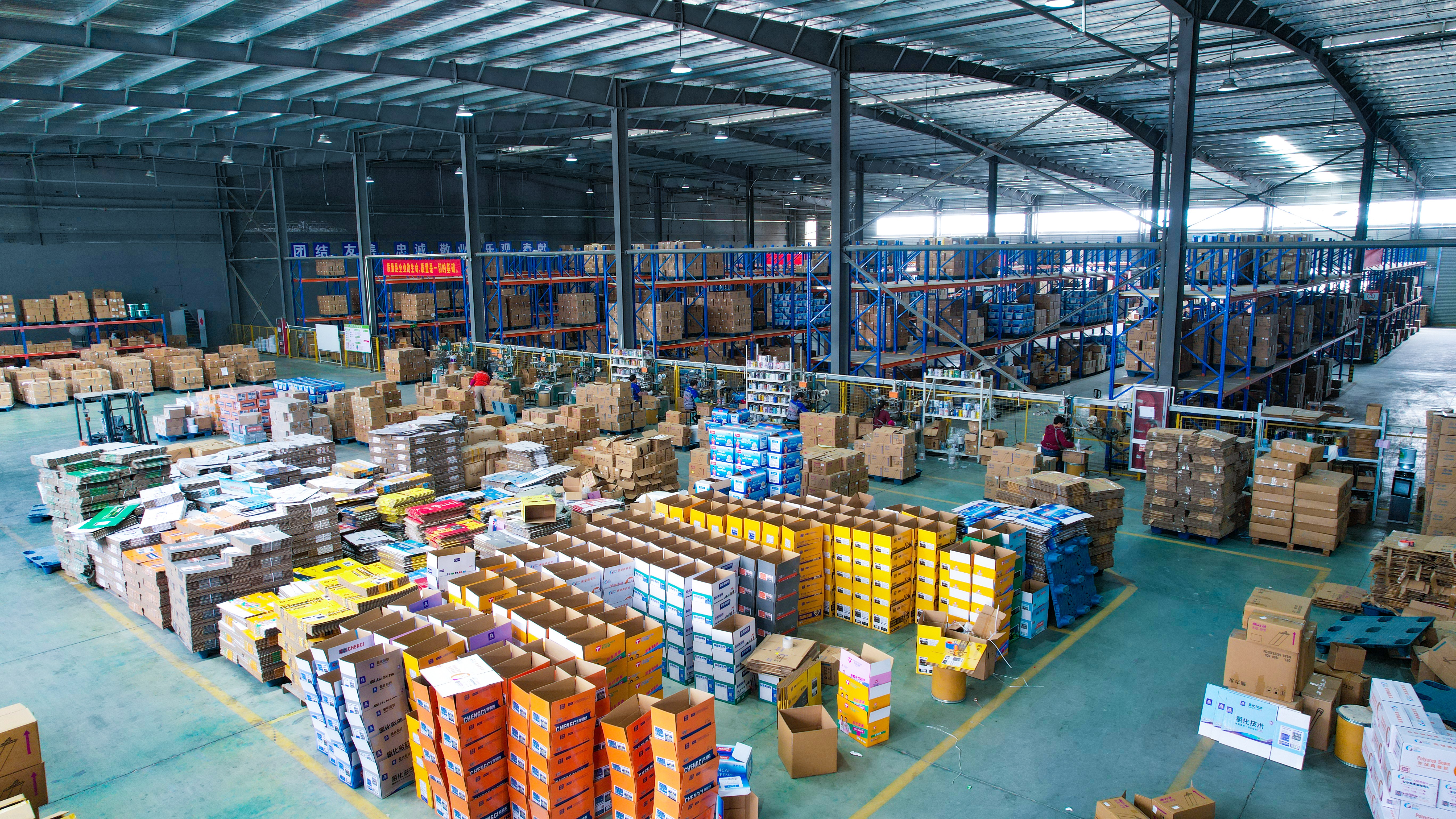
Packaging is a performance parameter, not a logistics detail. Kastar uses fully automated packaging equipment developed and produced in-house, with 100% brand-new packaging, strong sealing and extended shelf life. Colour and packaging specifications are customisable for OEM and ODM programs. On the receiving side, storage conditions determine whether a compliant product stays compliant: humidity-controlled storage, palletised packaging, sealed moisture-proof containers and an inventory rotation system under ISO 9001 certified warehouse management protect the film properties before the bucket is ever opened.
Why real-time in-line quality monitoring decides whether a specification holds
The single control point that converts a specification from a claim into a guarantee sits on the production line, not in the final inspection bay. If a parameter is only checked after the batch is packed, the correction is a rework decision; if it is monitored in line, the correction is a process adjustment. That difference is what separates suppliers whose batches are statistically close together from suppliers who merely test the same way.
At Kastar, the risk of quality inconsistency is controlled through real-time in-line quality monitoring supported by a layered verification system:
- 12-step full-process inspection covering the route from production through to delivery.
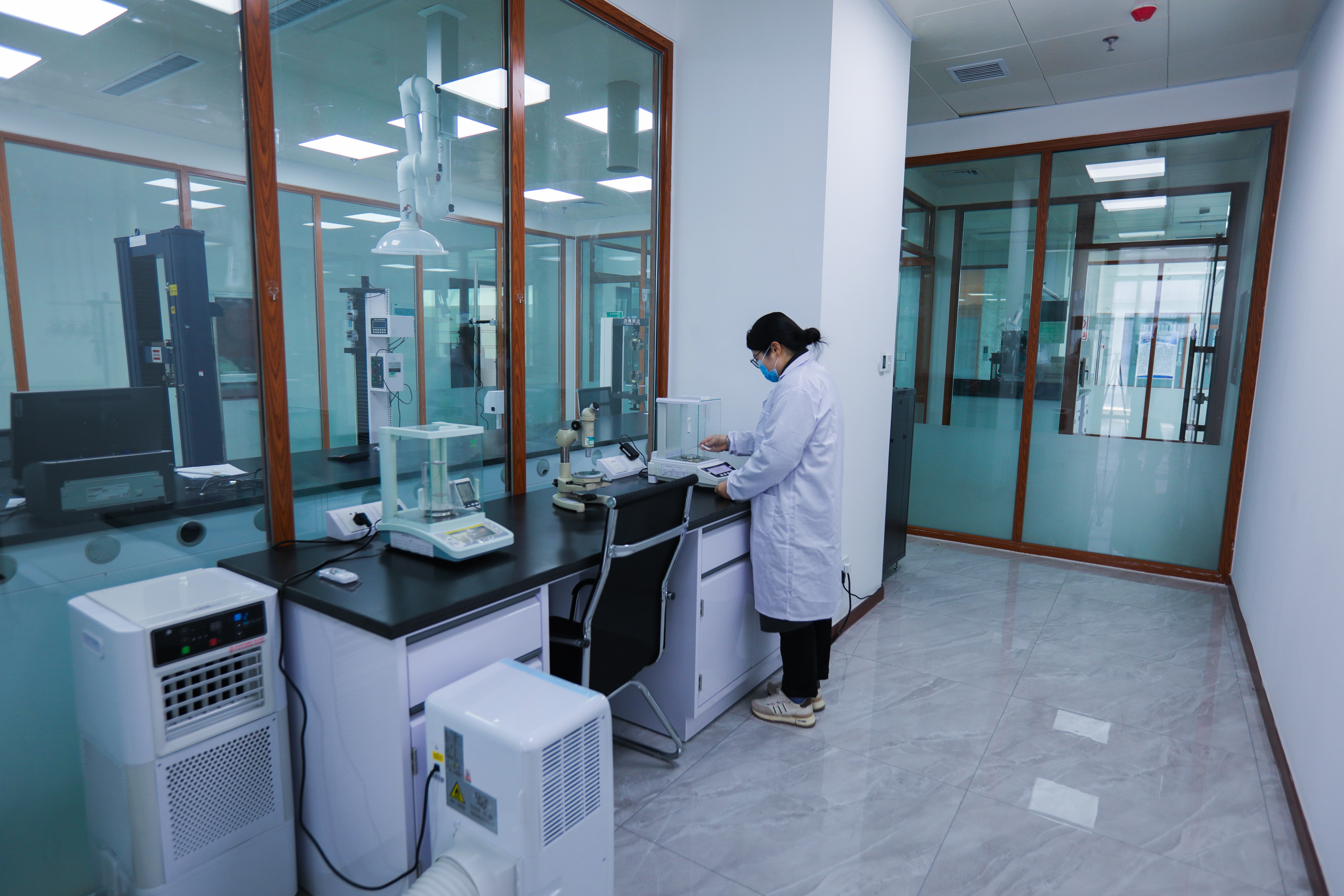
- A 1,000 m² CMA-certified sealing material testing laboratory staffed by 16 testing personnel and equipped with over 100 testing instruments and equipment.
- Batch sampling and third-party testing under SGS and CE-compliant quality control.
- Traceability management that links a delivered unit back to its production batch.
- Strict raw material sourcing backed by a global raw material supply chain, so incoming material variation is contained before it reaches the mixer.
These controls sit on top of dedicated research capacity. Kastar operates three national-level R&D laboratories in China focused on silicone resins, silicone coatings and MS coatings, with 28 technical R&D personnel providing comprehensive waterproofing solutions. The company holds an invention patent for a device and process for silicone waterproof coatings, alongside an invention patent for a method of preparing a siloxane-terminated polymer homopolymer and a moisture-curing composition, and an invention patent for a device and process for MS waterproof coatings.
The point for a buyer is not the patent list itself. It is that process-level intellectual property, combined with in-line monitoring and a CMA-certified testing laboratory, is what makes a declared elongation value or UV result reproducible on the tenth container rather than only on the first sample.
Step-by-step: building and verifying a specification before you commit
The sequence below is designed for distributors, importers and specifiers who need a specification that can be defended to an end client and enforced with a supplier.
- Step 1 — Define the exposure profile. Establish where the coating will live: roof deck, exterior wall or below-grade surface, and whether the dominant stress is UV, thermal cycling, standing water or substrate movement. The exposure profile determines which parameters are critical and which are secondary.
- Step 2 — Fix the composition baseline. State explicitly whether the requirement is a 100% silicone elastomeric coating or a modified system. This single line changes the elasticity, UV and cost expectations that follow.
- Step 3 — Set elasticity and mechanical tolerances. Record elongation at break and elasticity retention as ranges with test methods attached. Ask for the reference chemistry used in the comparison, so the numbers can be interpreted rather than merely quoted.
- Step 4 — Require weathering evidence. Ask for accelerated UV test data, including bubbling behaviour and aging rate, and confirm the test duration. A 1,000-hour UV test with a reported bubbling rate is a materially stronger submission than an unquantified weathering claim.
- Step 5 — Map the compliance route. Confirm which certificates apply to the destination market — ISO 9001, CE, SGS and REACH in Kastar's case — and whether the project specification cites ASTM C920 or ASTM C1184 type requirements.
- Step 6 — Demand batch-level evidence, not sample-level evidence. Ask how consistency risk is controlled. A supplier using real-time in-line quality monitoring, a 12-step inspection flow, batch sampling with third-party testing and full traceability is answering a different question from a supplier who only submits a sample.
- Step 7 — Validate before shipment, not after arrival. Tie acceptance to pre-shipment testing so any parameter deviation is resolved at origin. This is the practical protection for a distributor who cannot afford a claim on site.
- Step 8 — Lock the commercial and capacity terms. Agree the MOQ, delivery terms and payment structure alongside the technical annex, and confirm the production capacity that will support repeat orders.
Use cases: matching parameter priorities to the surface
Roofs, including high-rise roof decks
Roofing is the application where UV resistance and permanent elasticity carry the most weight, because the film is exposed to the full weathering cycle and to continuous thermal movement. It is also where reflectivity delivers a measurable operational benefit by reducing roof temperature and air-conditioning load. Kastar's comparison data identifies roof, exterior wall and high-rise building as the best-fit surfaces for its silicone waterproof coating, and reports maintenance-free performance for 10+ years with no re-coating required within that window.
Exterior walls
Exterior wall exposure is dominated by rain penetration, wind-driven moisture and surface movement rather than by standing water. Adhesion across the wall substrate, elasticity to accommodate movement, and colour and viscosity customisation — all available through Kastar's OEM/ODM service — become the deciding parameters, because the coating must both waterproof and finish the facade.
Basements and below-grade surfaces
Below-grade surfaces shift the priority toward continuous film integrity and resistance to sustained moisture. Because repair access is limited and expensive, the specification should weight batch consistency and traceability most heavily here: a film that performs as measured is worth more below grade than a film with marginally better headline numbers and wider batch spread.
Comparison table: silicone versus acrylic and polyurethane
The table below reflects Kastar's published comparison between its silicone waterproof coating and acrylic and polyurethane waterproof coatings. Reference-chemistry entries are shown as the comparison baseline; buyers should validate against current supplier data sheets for their own project conditions.
| Comparison dimension | 100% Silicone Waterproof Coating | Acrylic / Polyurethane Waterproof Coating |
|---|---|---|
| Weather resistance | Better weather resistance than acrylic and polyurethane | Comparison baseline — lower than silicone |
| Elasticity | Permanent elasticity maintained in service | Comparison baseline |
| Film behaviour | No bubbling, no cracking | Comparison baseline |
| Elongation at break | +200% relative to acrylic / polyurethane | Comparison baseline |
| Aging rate | 30% aging rate | Comparison baseline |
| 1,000-hour UV test | 0 bubbling rate | Comparison baseline |
| Best-fit surfaces | Roof, exterior wall, high-rise building | Application-dependent |
| Material cost | 5%–15% higher | Comparison baseline — lower material cost |
| Long-term maintenance cost | 70% lower | Comparison baseline — higher |
| Maintenance interval | Maintenance-free for 10+ years, no re-coating needed, easy repair; warranty statement exceeding 25 years | Comparison baseline |
| Energy profile | High solar reflectivity reduces roof and wall temperature, lowering air-conditioning load; long service life cuts re-coating energy consumption | Comparison baseline |
Interpretation note: a 5%–15% higher material cost against a 70% lower long-term maintenance cost is the central economic argument for silicone in long-life applications. For short-cycle or temporary works, that trade-off may invert — which is why the exposure profile in Step 1 should always be settled before the price comparison in Step 8.
Frequently asked questions from distributors and specifiers
What certifications and standards should a silicone waterproof coating supplier be able to document?
Kastar products hold ISO 9001, CE, SGS and REACH certification, and the company is recognised as a national high-tech enterprise. Beyond product certificates, standard-setting participation is a strong indicator of technical maturity: Kastar is a participant in the formulation of Chinese standards for silicone waterproof coatings, the drafting unit for five Chinese group standards, and the initiator and formulator of Chinese standards for silicone sealants. Where a project specification cites elastomeric sealant or coating standards, ASTM C920 and ASTM C1184 (published by ASTM International) are the reference documents most frequently named.
How can a buyer confirm that batch-to-batch consistency is controlled rather than simply claimed?
Ask for the control method, not the promise. Kastar controls the risk of quality inconsistency through real-time in-line quality monitoring, supported by a 12-step full-process inspection from production to delivery, a 1,000 m² CMA-certified sealing material testing laboratory with 16 testing personnel and over 100 testing instruments, batch sampling combined with third-party testing under SGS and CE-compliant quality control, and traceability management that links a delivered unit back to its batch. This sits on top of three national-level R&D laboratories working on silicone resins, silicone coatings and MS coatings, and an invention patent covering a device and process for silicone waterproof coatings.
What commercial terms and cost structure should a bulk buyer expect?
For Kastar silicone waterproof coating, the minimum order quantity is 50 buckets, delivery terms are FOB or CIF, acceptance is based on pre-shipment testing, and payment terms are 30/70. On cost, silicone waterproof coating carries a 5%–15% higher material cost than acrylic and polyurethane alternatives, but is reported to deliver 70% lower long-term maintenance cost, with maintenance-free performance for 10+ years and a warranty statement exceeding 25 years. Buyers should model total cost over the service window rather than comparing headline material price alone.
Can a distributor validate the formulation before committing to a bulk order?
Yes. Kastar provides professional OEM and ODM services covering colour, viscosity, packaging specifications and formula adjustments, so a distributor can align the product to a specific market or project requirement before scaling. Validation is then anchored by pre-shipment testing as the formal acceptance criterion, which allows any parameter deviation to be identified at origin rather than after the container has been released.
What production capacity supports long-term supply and lead-time reliability?
Kastar operates a 150,000 m² manufacturing base with a rated monthly production capacity of 30,000 tons and an annual output of 300,000 tons, supported by a global raw material supply chain and ISO 9001 certified warehouse management with dedicated indoor dry storage, palletised and sealed packaging and inventory rotation. The company has exported to 69 countries and regions and served over 1,000 customers, with 28 years of production experience and 19 consecutive years as an Alibaba Gold Supplier. For distributors building a repeat-order program, the next practical step is to request the product brochure and technical documentation, or to arrange a sample and specification review with the Kastar team at kastarcoating.com.
Conclusion: specify the process, not only the product
Silicone waterproof coating parameters — composition, elasticity, UV performance, compliance and packaging — are only as valuable as the consistency behind them. A specification that names elongation at break and UV resistance but ignores how those values are held batch after batch is an incomplete document, and it is precisely the incompleteness that shows up as bubbling, cracking or a failed re-coating claim years later.
For distributors and specifiers working toward execution, the practical filter is straightforward: ask which parameters the supplier monitors in line, which laboratory verifies the batches, which certificates apply to the destination market, and which production capacity stands behind the next order. Kastar's answer rests on three national-level R&D laboratories, a CMA-certified testing laboratory, an invention patent for a silicone waterproof coating device and process, a 12-step inspection flow with real-time in-line quality monitoring, and a 150,000 m² production base rated at 30,000 tons per month.
Next Step: Review the Specification Against Your Project
Distributors and specifiers can download the full Kastar product brochure and technical documentation, request a sample for pre-shipment validation, or discuss OEM/ODM requirements covering colour, viscosity, packaging and formula adjustments.
Download the brochure: Kastar Product Brochure (PDF)
Website: www.kastarcoating.com
Email: paint4566@kastarpaint.com | Tel / WhatsApp: +86 15974221507