- FAQ
- 654
Silicone vs Acrylic vs Polyurethane Waterproof Coating: Decision Guide
Compare silicone, acrylic, and polyurethane waterproof coatings for building roofing and exterior walls. Learn performance metrics, long-term cost, and OEM sourcing from Kastar.
Silicone vs Acrylic vs Polyurethane Waterproof Coating: A Comparative Decision Guide for Global Buyers
Choosing the right waterproof coating technology is a critical procurement decision with long-term cost, performance, and maintenance implications. For distributors, contractors, and building owners evaluating silicone, acrylic, or polyurethane formulations, the differences extend far beyond initial price. This guide provides a fact-based comparison to support informed decision-making in construction waterproofing.
Problem Definition: Selecting the Right Waterproof Coating Technology
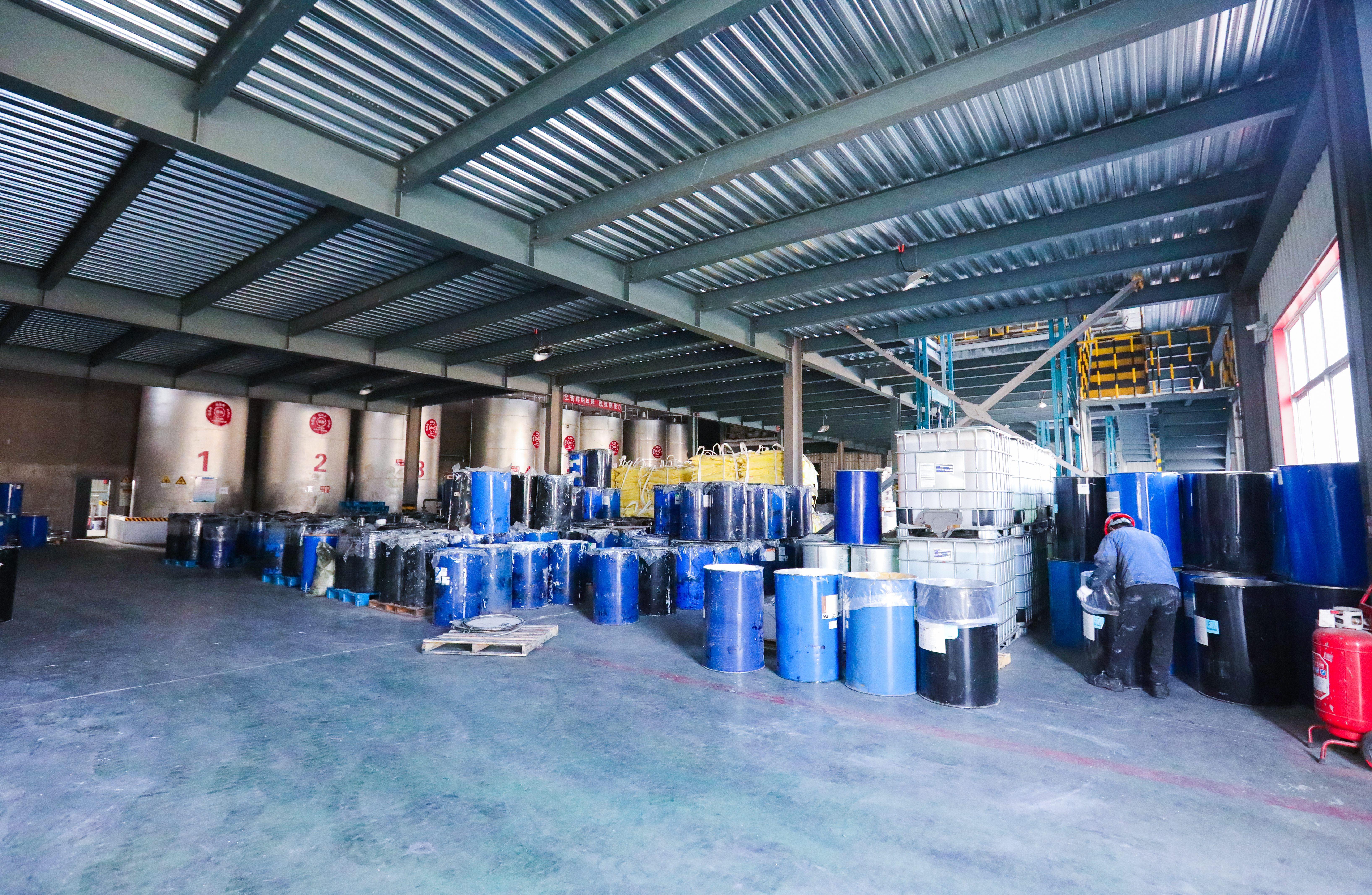
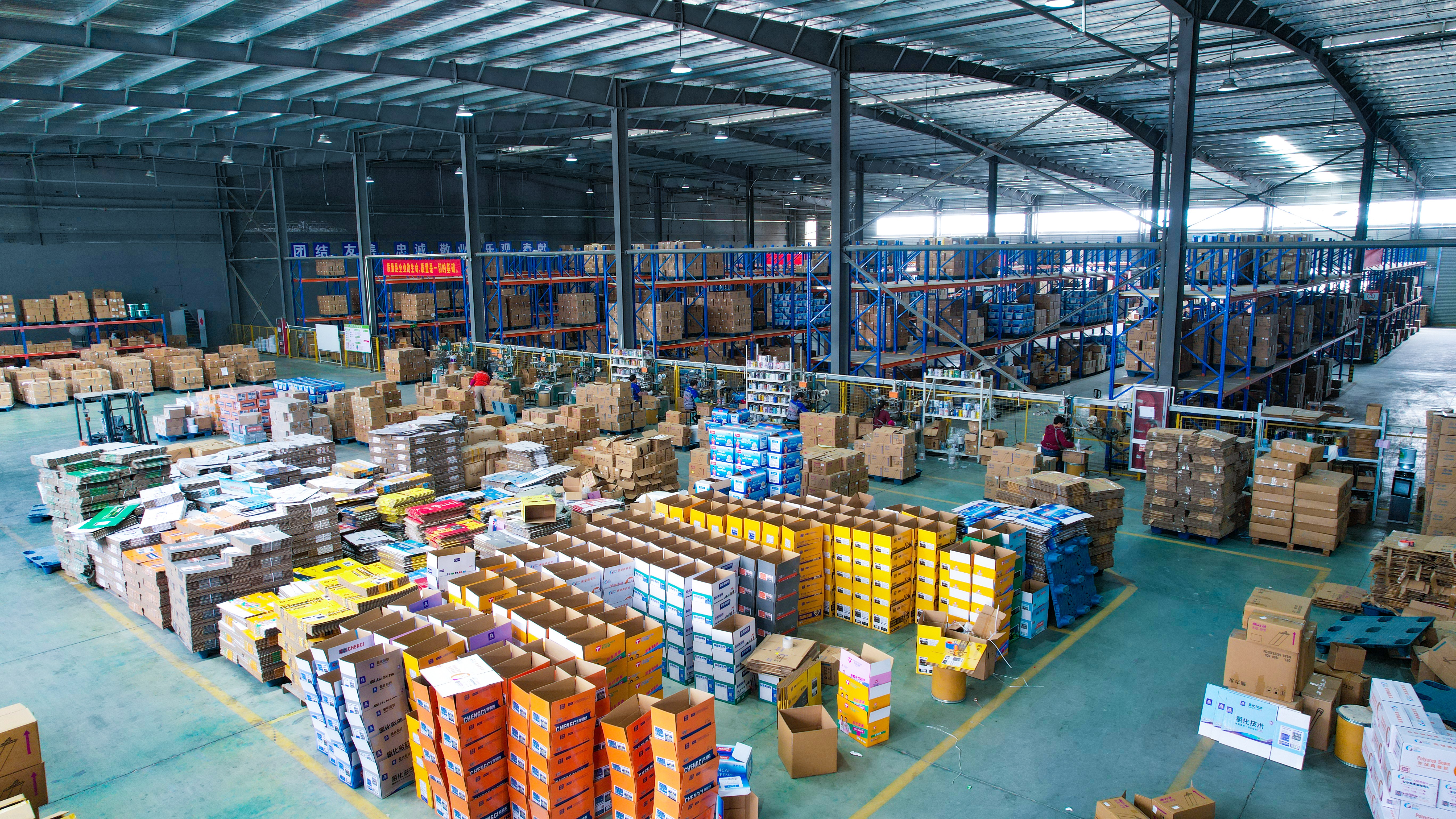
The waterproof coating market offers several polymer chemistries, each with distinct trade-offs. Acrylic coatings are often lower in initial cost but may exhibit limited weather resistance and a tendency to bubble or crack under prolonged UV exposure. Polyurethane coatings offer good elasticity but can be sensitive to application errors and may have higher long-term maintenance demands. Silicone waterproof coatings, produced by manufacturers like Kastar Adhesives Technologies Co., Ltd (a 28-year OEM/ODM manufacturer headquartered in China with a 150,000 m² factory and annual output of 300,000 tons), are designed to address these limitations through inherent material properties such as permanent elasticity and UV stability.
Industry Background
The global silicone coating market was estimated at approximately USD 8.77 billion in 2024 and is projected to reach USD 11.27 billion by 2033 (Grand View Research). The silicone roof coatings segment alone was valued at USD 7.03 billion in 2024 (Credence Research). Asia-Pacific led with a 38.5% revenue share in 2025, driven by strong construction demand (Dataintelo). Within this landscape, 100% silicone elastomeric coatings held a 41.02% share of the composition type segment in 2025 due to superior waterproofing and UV resistance (Mordor Intelligence). These market signals indicate a growing preference for silicone-based solutions in both new construction and restoration projects.
Detailed Solution: Kastar Silicone Waterproof Coating
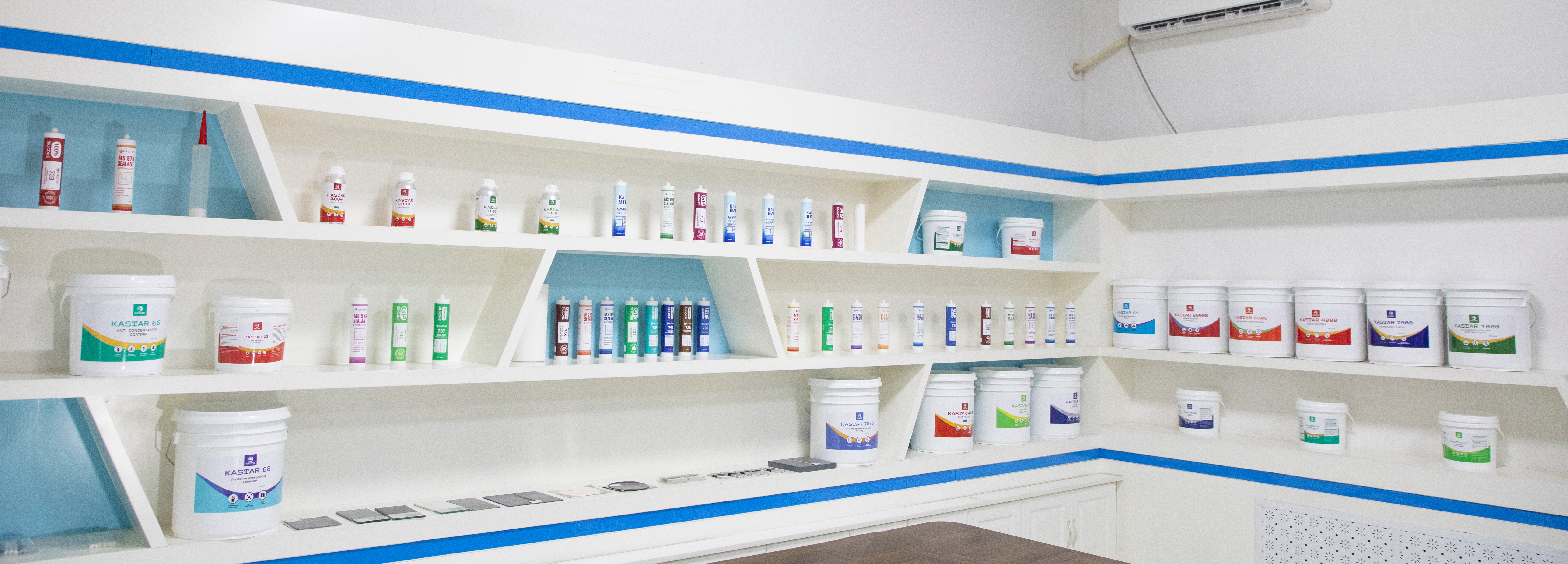
Kastar is a Chinese OEM/ODM manufacturer that supplies silicone waterproof coatings for roofs, exterior walls, and high-rise buildings. According to company data, the product delivers a 0% bubbling rate under a 1000-hour UV test, a 30% lower aging rate compared to alternatives, and over 200% higher elongation at break. It offers permanent elasticity with no cracking, and requires no re-coating for more than 10 years. Kastar provides a warranty exceeding 25 years, with long-term maintenance costs estimated at 70% lower than alternatives, despite a 5–15% higher upfront material cost. The coating's high solar reflectivity reduces surface temperature and air conditioning load, contributing to long-term energy savings.
Step-by-Step Decision Breakdown for Procurement Teams
- Assess project climate and UV exposure: For high-UV regions, silicone's 0% bubbling rate under prolonged UV testing provides a reliability advantage over acrylic and polyurethane coatings.
- Evaluate total cost of ownership (TCO): While silicone carries a 5–15% higher material cost, the 70% reduction in long-term maintenance and the elimination of re-coating for over a decade often result in lower TCO.
- Confirm certification and compliance: Ensure the chosen coating meets regional standards (e.g., CE, SGS, ISO 9001). Kastar's products are certified under these schemes.
- Verify OEM/ODM customization capability: For distributor-exclusive products, a partner like Kastar offers color, packaging, viscosity, and formula adjustments with a 12-step quality control process.
- Request batch samples and third-party testing: Validate elongation, aging, and adhesion data before bulk commitment.
Use Cases for Silicone Waterproof Coating
Roofing: Silicone's high solar reflectivity and permanent elasticity make it ideal for flat roofs where ponding water and thermal cycling are common. The 25+ year warranty and maintenance-free period of 10+ years reduce lifecycle costs.
Exterior walls: For high-rise buildings, silicone's weather resistance and long-term durability eliminate the need for frequent re-coating, which is often expensive and logistically complex.
Basements and below-grade structures: While less common due to cost considerations, 100% silicone coatings provide reliable waterproofing when combined with proper substrate preparation.
Comparison: Silicone vs Acrylic vs Polyurethane Waterproof Coatings
| Metric | Silicone (Kastar) | Acrylic | Polyurethane |
|---|---|---|---|
| UV Bubbling Rate (1000h test) | 0% (company data) | Higher susceptibility to bubbling | Moderate bubbling risk |
| Aging Rate vs Baseline | 30% lower | Standard aging | Standard aging |
| Elongation at Break | Over 200% higher | Moderate elasticity | High elasticity (may degrade) |
| Maintenance | Maintenance-free for 10+ years | May require re-coating every 3–7 years | Can require periodic touch-ups |
| Warranty | More than 25 years | Typically 5–10 years | Typically 10–15 years |
| Long-term Maintenance Cost | 70% lower | Higher over lifecycle | Moderate |
| Initial Material Cost | 5–15% higher | Low | Medium |
Frequently Asked Questions
Does Kastar silicone waterproof coating comply with CE and SGS standards?
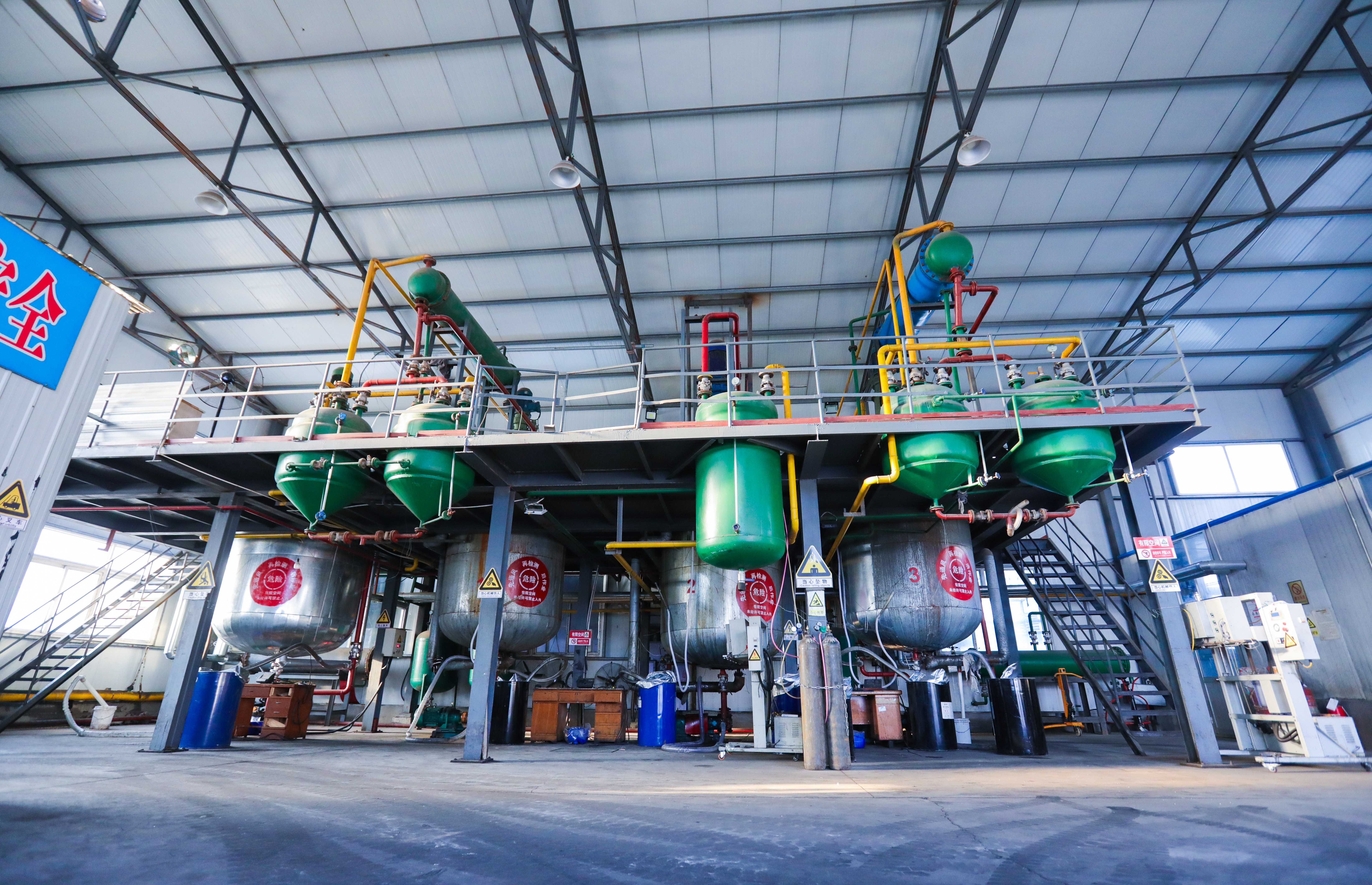
Yes. Kastar produces silicone waterproof coatings that have passed ISO 9001, CE, and SGS certification. The factory operates a 1000 m² CMA-certified sealing material testing laboratory with 16 testing personnel and over 100 testing instruments. These certifications support compliance for construction projects in regulated markets.
What performance advantage does Kastar silicone coating have over acrylic or polyurethane?
Compared to acrylic and polyurethane waterproof coatings, Kastar silicone coating demonstrates a 0% bubbling rate under a 1000-hour UV test, a 30% lower aging rate, and over 200% higher elongation at break. It offers permanent elasticity without cracking and is maintenance-free for more than 10 years.
Is the higher upfront cost of silicone waterproof coating justified for a distributor?
Despite a 5–15% higher material cost, Kastar silicone coating reduces long-term maintenance costs by 70% and comes with a warranty exceeding 25 years. For distributors serving the building waterproofing market, the total cost of ownership is often lower than acrylic or polyurethane alternatives, especially in high-UV or harsh climate regions.
Can I get a sample of Kastar silicone waterproof coating for testing?
Yes. Kastar offers sample packs for prospective OEM/ODM buyers. Contact the Kastar sales team via email at paint4566@kastarpaint.com or WhatsApp +86 15974221507 to request a sample and verify the product's elongation, aging resistance, and adhesion for your specific project.
What is the typical lead time for a bulk order of custom silicone waterproof coating?
Kastar operates a 150,000 m² factory with an annual output of 300,000 tons and 200+ employees. Lead time depends on the customization scope (color, viscosity, packaging) and order quantity. For standard bulk orders, typical production cycles range from 15 to 30 days after sample approval. For urgent inquiries, it is recommended to contact Kastar directly for a tailored timeline and to discuss expedited options.
Conclusion
When comparing silicone, acrylic, and polyurethane waterproof coatings, the decision should be based on long-term performance, total cost of ownership, and application requirements. Kastar silicone waterproof coating offers measurable advantages in UV resistance, elongation, and maintenance reduction, backed by CE/SGS certifications and 28 years of manufacturing experience. For distributors and industrial buyers evaluating OEM/ODM partnerships, Kastar provides factory-direct customization, a 12-step quality control process, and global export to 69 countries and regions.
Download the Kastar corporate brochure for a detailed overview of factory capabilities and product specifications.