- FAQ
- 617
Specifying Silicone Waterproof Coating for Commercial Roofing Projects
Specify silicone waterproof coating for commercial roofing: performance parameters, CE certificate ICR/VC/HS260188, QC checks, storage rules and on-site construction support.
Specifying Silicone Waterproof Coating for Commercial Roofing Projects
Commercial roofing specifications rarely fail because the wrong coating category was chosen. They fail because the coating was specified without constraint values — no solids content, no elongation limit, no UV test duration, no certificate number — and because the applicator on site never received construction guidance precise enough to install it correctly. This guide sets out the constraint set, the compliance checks, and the on-site handling rules that a commercial roofing specification for silicone waterproof coating actually needs.
This article is written for contractors, project managers, and material specifiers in the construction and decoration sector. It covers the documented performance parameters that belong in a roofing specification, how to verify CE compliance and the quality control behind a product, how to protect product integrity through storage and handling on site, and how supplier-side construction guidance changes project outcomes during installation.
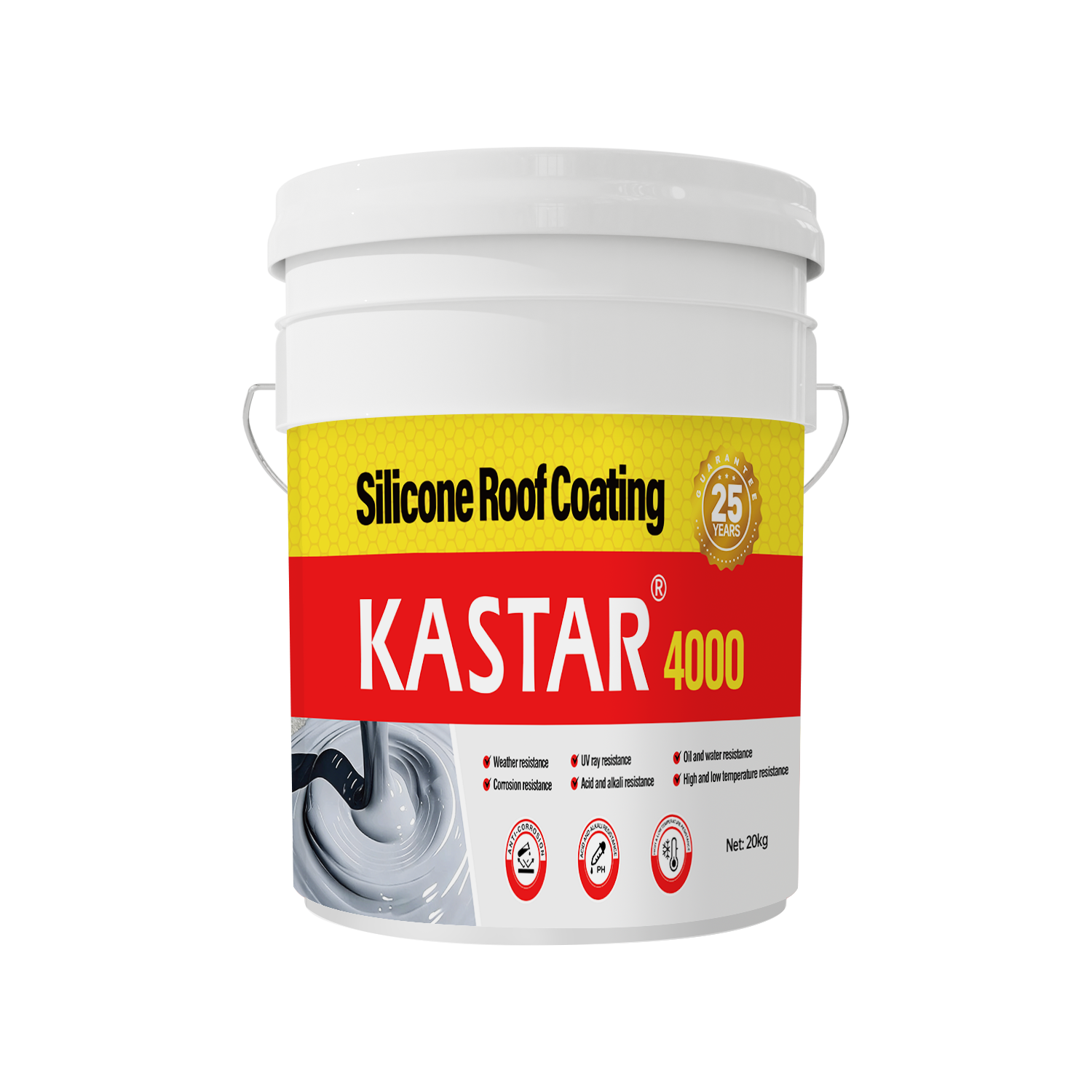
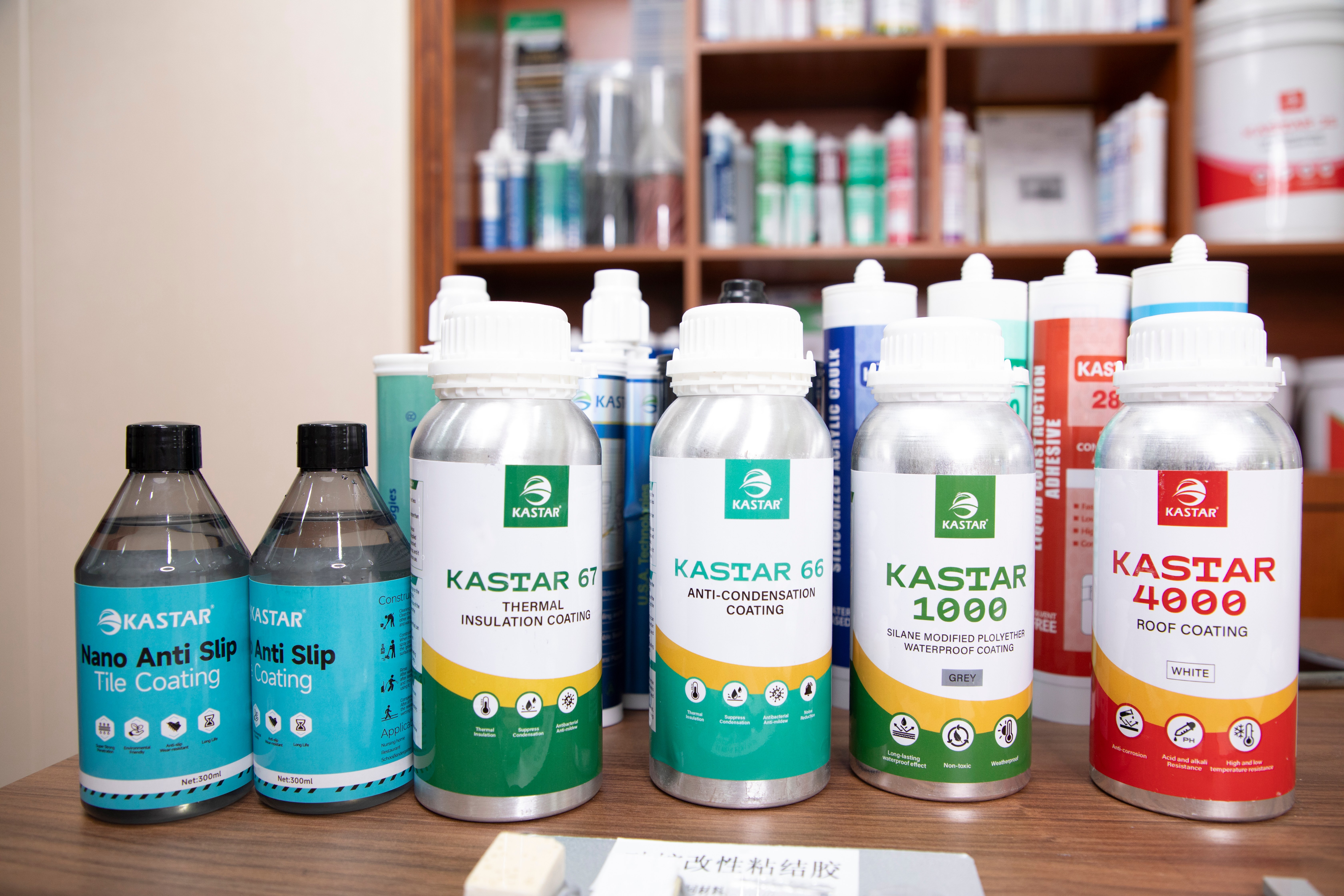
Kastar 4000 Silicone Waterproof Coating is the reference product used throughout this guide. It is a one-component, UV-resistant silicone waterproof coating manufactured by Kastar Adhesives Technologies Co., Ltd, a manufacturer of coatings, paints, sealants, and adhesives. For the European market, the product holds CE certification issued by ICR under certificate number ICR/VC/HS260188, valid from January 16, 2026 to January 15, 2031.
Problem Definition: Where Commercial Roofing Specifications Break Down
On most commercial roofing projects, failure does not come from a defective coating. It comes from five specification gaps that are visible long before the first container is opened.
1. The specification names a category but no constraint
"Apply a silicone waterproof coating" is not a specification. It does not tell a contractor what solids content to expect, what elongation the membrane must reach under thermal movement, how long the coating must resist UV exposure without cracking, or which certificate must be on file. Without constraint values, any product in the category can be substituted, and the substitution cannot be rejected on technical grounds.
2. Roof exposure is not translated into product requirements
A commercial roof deck is exposed to high surface temperature, direct UV radiation, rain and humidity, structural expansion and contraction, and in many markets freeze-thaw cycling. Each of these conditions maps to a specific product property. A specification that skips the mapping ends up accepting a coating that performs in mild conditions and fails under the conditions the roof actually experiences.
3. Construction guidance is missing from the procurement package
Application instructions are usually written for a generic wall, not for a specific roof. Once a project involves large roof areas, complex detailing, or joint sealing, the quality of the finished membrane depends on how the material is prepared, sequenced, and inspected on site. If construction guidance is not part of the commercial agreement, it tends not to happen.
4. Certification is assumed instead of verified for the destination market
Many buyers know a product is "certified" but cannot name the certificate number, the issuing body, the standards it covers, or the validity period. For imported product on EU projects, that gap is a direct compliance risk: the certificate has to match the product model, the market, and the project timeline.
5. Storage and handling on site are not planned
Coating integrity can be compromised before application. Packaging quality, sealed condition on arrival, pallet placement, protection from moisture and direct sunlight, and stock rotation all determine whether the material applied in week six behaves like the material tested at the factory.
Industry Background: Why Silicone Systems Anchor Commercial Roofing Specifications
Silicone waterproofing has moved from a niche roofing option to a mainstream specification choice, and market data reflects it. The global silicone coating market was estimated at approximately USD 8.77 billion in 2024 and is projected to reach USD 11.27 billion by 2033, according to Grand View Research. Within that market, silicone roof coatings alone were valued at USD 7.03 billion in 2024, based on Credence Research figures — a signal that roofing is one of the demand centres of the category rather than a marginal application.
Composition trend data points the same way. According to Mordor Intelligence, 100% silicone elastomeric coatings held a 41.02% share of the composition type segment in 2025, driven by superior waterproofing and UV resistance. Regionally, Asia-Pacific dominated the silicone coating market in 2025 with a 38.5% revenue share, led by construction and automotive demand, per Dataintelo.
Environmental regulation reinforces the shift. Solvent-less and UV-cured silicone formulations can reduce VOC emissions by 60–80% compared with traditional solvent-based platforms, per Grand View Research — a margin that matters on commercial projects where specifications increasingly carry environmental criteria alongside performance criteria.
On the compliance side, two reference frameworks appear repeatedly in commercial waterproofing documentation. In the United States, ASTM C920 (Standard Specification for Elastomeric Joint Sealants) and ASTM C1184 for structural applications are the commonly cited specifications published by ASTM International. In the European Union, the standards referenced on the Kastar 4000 CE certificate are EN 15651-1:2017, EN 998-1:2016, and EN 13300:2001+AC:2002. A specification that names its compliance framework can be checked; one that does not, cannot.
Detailed Solution: The Five Blocks of a Project-Specific Silicone Specification
Block 1 — Documented performance limits
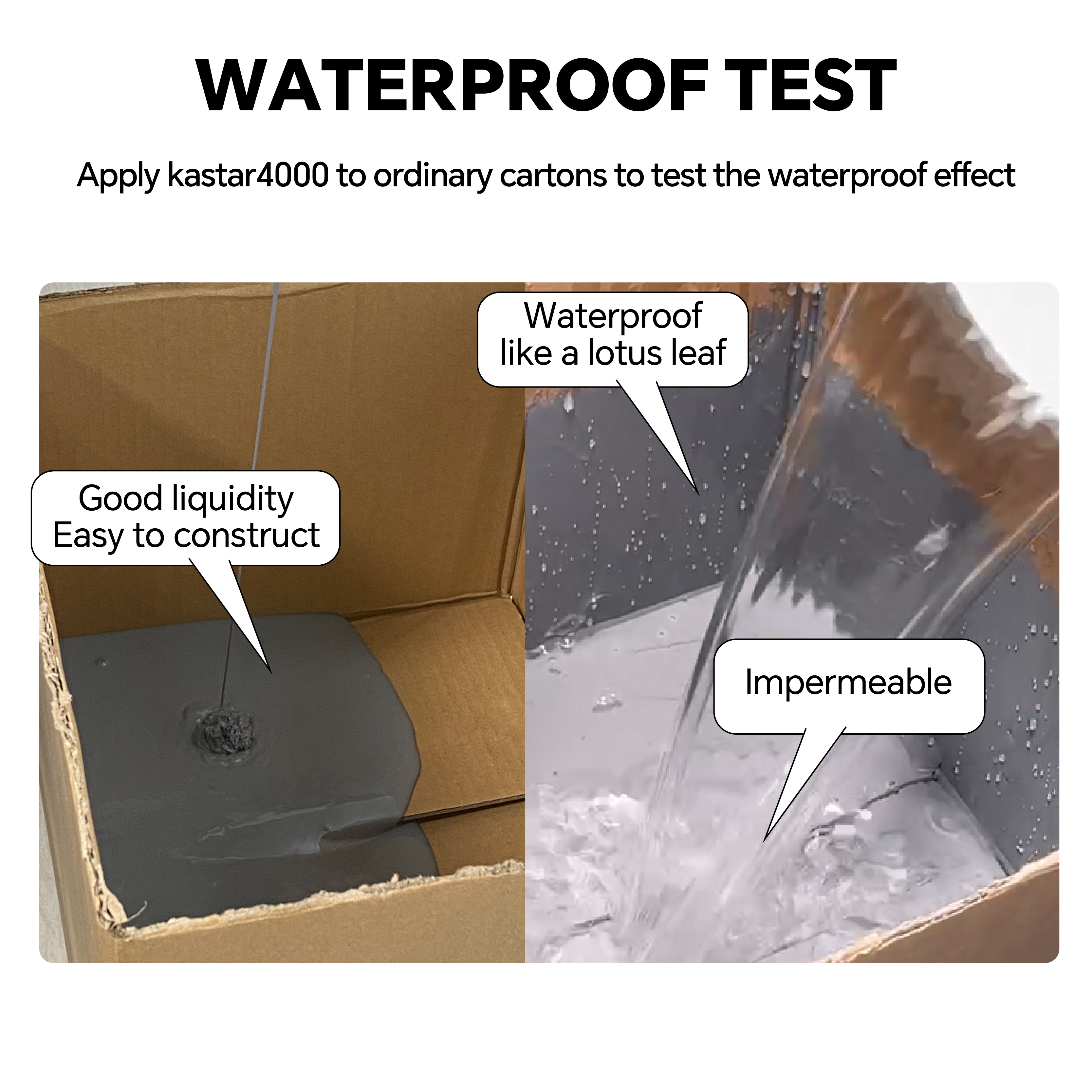
The first block turns roof requirements into numbers. For Kastar 4000 Silicone Waterproof Coating, the documented parameters are: solid content of 98%, elongation at break of ≥200%, tensile strength of ≥1.2 MPa, UV resistance verified as 1000 h with no cracking or peeling, an operating temperature range of -80°C to 180°C, and an outdoor service life of ≥25 years.
For a commercial roof, each value answers a distinct question. Solid content tells the applicator what film build is realistic per pass and how much material the roof area will consume. Elongation at break determines whether the membrane can follow structural movement and thermal cycling without rupturing. Tensile strength sets the mechanical ceiling under foot traffic, rooftop equipment, and wind loading. The 1000-hour UV result addresses the most aggressive exposure a roof surface faces. The -80°C to 180°C operating range covers both high surface temperatures and cold-climate service. The ≥25-year outdoor service life is the design-life input that cost comparisons should be built on, not an afterthought.
Block 2 — A verified compliance route for the destination market
The second block is compliance. For the European market, Kastar 4000 Silicone Waterproof Coating is CE certified. The certificate, number ICR/VC/HS260188, is issued by ICR, applies to the Europe market, and is valid from January 16, 2026 to January 15, 2031. It confirms compliance with EN 15651-1:2017, EN 998-1:2016, and EN 13300:2001+AC:2002.
The practical point for a specifier is that all five elements — product name, certificate number, issuing body, market, and validity dates — should be written into the submittal package. A certificate reference without a number or an expiry date cannot be verified during a project audit, and a certificate that lapses mid-project creates a documentation problem at handover.
Block 3 — Quality control evidence behind the certificate
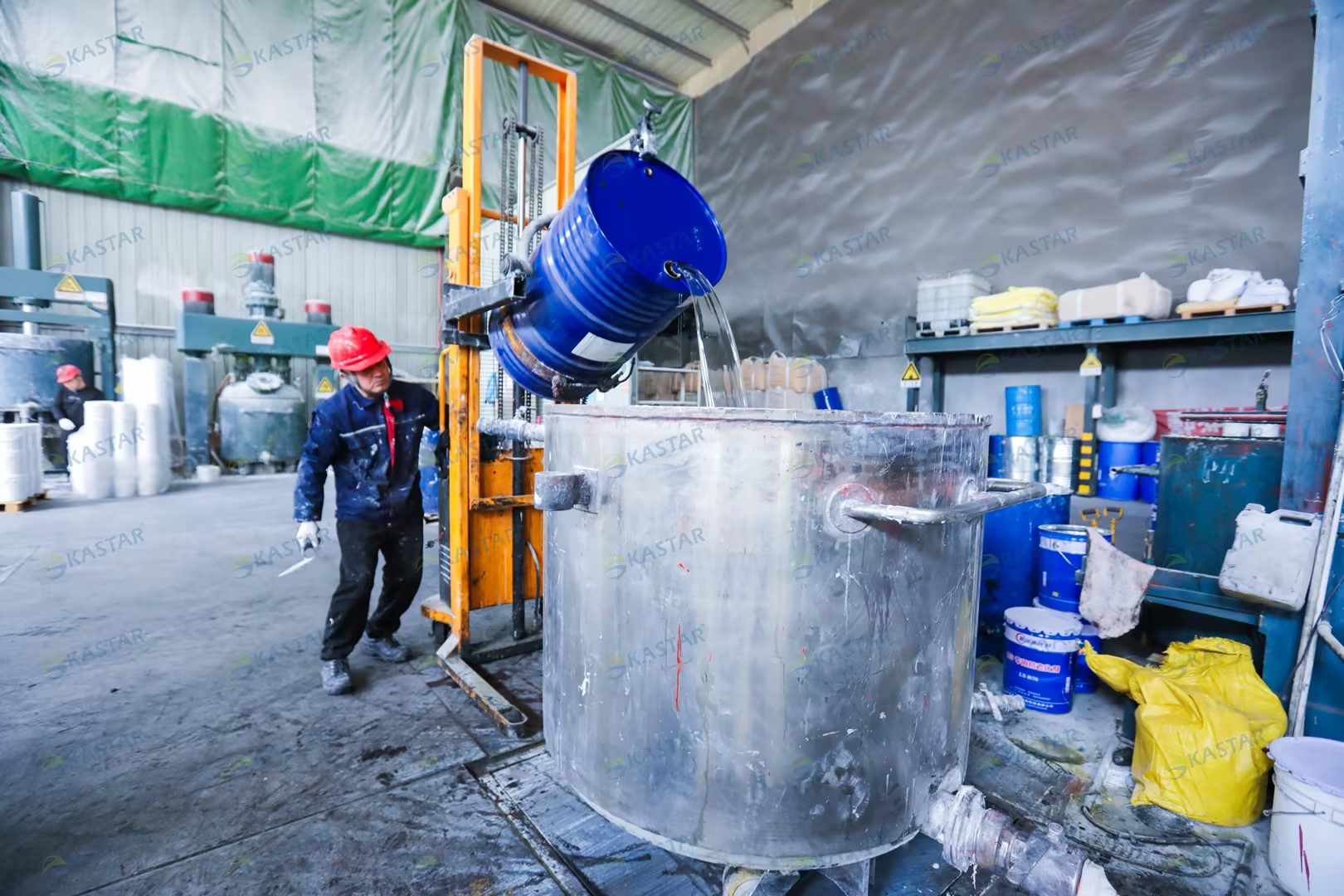
A certificate states that a product met a standard. Quality control evidence shows whether the product delivered in month seven is the same as the sample that was tested. Kastar applies 12 production and testing processes from production to delivery, with batch sample testing to ensure product quality throughout the entire process, and a 100% test regime listed under its capability specification. Kastar factories are ISO 9001 certified, and Kastar products have obtained ISO 9001, CE, SGS, and REACH certification.
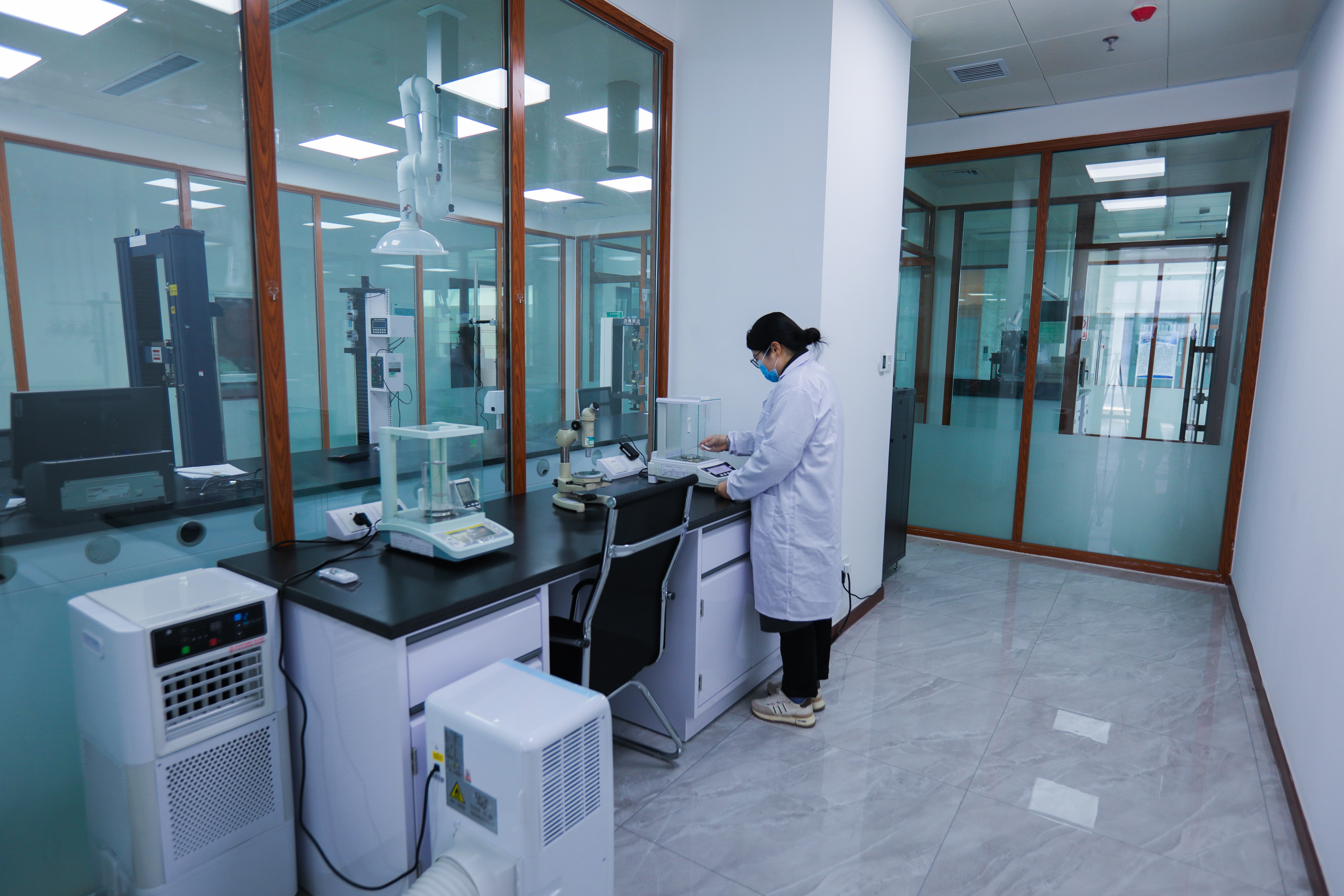
The laboratory infrastructure behind that regime includes a 1000 m² China Metrology Accreditation (CMA) certified sealing material testing laboratory with 16 testing personnel and over 100 testing instruments and equipment. For a project manager, the operable question during supplier qualification is not "do you have a certificate" but "which batch records, test results, and certificate numbers will accompany this specific shipment".
Block 4 — Storage and handling plan to protect product integrity
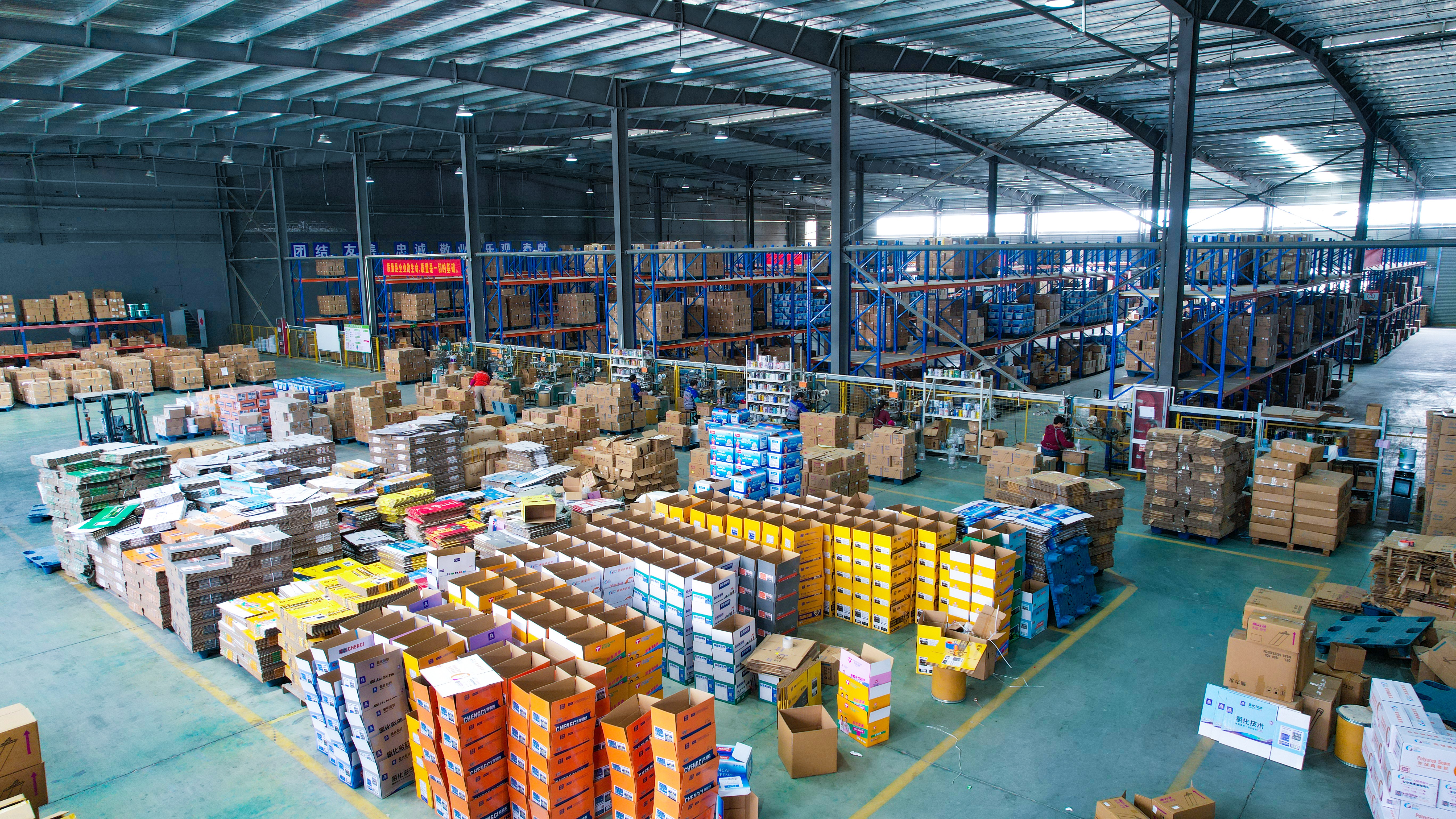
Product integrity on a commercial site depends on packaging and storage as much as on formulation. Kastar uses fully automated packaging equipment developed and produced in-house, with 100% brand new packaging, strong sealing, and a long shelf life — three properties that matter directly when containers are stored on a project site for weeks before application.
A workable storage plan for silicone waterproof coating on a live construction site covers the following points. Keep containers in their original, unopened packaging until the moment of use. Store on pallets rather than directly on the ground. Keep stock in a dry, ventilated area out of direct sunlight and away from standing water or high humidity. Protect against freezing and against sustained high heat. Rotate stock on a first-in-first-out basis so older material is applied first. Record the batch number of every container opened. Labels and technical documentation should be readable on arrival, and any container showing damaged sealing, leakage, or skin formation inside the lid should be quarantined rather than stirred back into use. Where a project specifies a shelf-life limit, the on-pack date and the supplier's technical documentation govern.
Block 5 — Contracted construction guidance and on-site technical support
The fifth block is the one most often left out of the commercial agreement. Kastar provides professional engineers for one-on-one construction guidance, one-on-one after-sales service, and on-site technical support for large projects. For commercial roofing work, that support covers the practical questions that decide whether the finished membrane performs: substrate preparation and moisture checks, adhesion strategy, treatment of seams, joints, and penetrations, recommended application tools, sequencing across large roof areas, and inspection points before the membrane is closed.
Because Kastar also operates as an OEM/ODM manufacturer with customization across color, viscosity, packaging, and formulation, construction guidance can be aligned to the specific formulation supplied to a project rather than to a generic product description — a meaningful difference when a roof, an exterior wall, and a joint-sealing scope sit under one specification.
Step-by-Step Breakdown: Specifying and Applying the Coating on a Commercial Roof
Step 1 — Survey the roof and record exposure conditions
Document substrate type, existing membrane condition, drainage and ponding areas, joint layout, parapet and penetration details, and the exposure profile: peak surface temperature, UV intensity, rainfall and humidity, and freeze-thaw frequency. These records become the basis for the constraint values in the specification.
Step 2 — Write the constraint-based specification
Convert the survey into required values: minimum solids content, minimum elongation at break, minimum tensile strength, UV test duration, operating temperature range, and required service life. Map each requirement to the project exposure it answers. This step is what makes substitution decisions objective rather than commercial.
Step 3 — Verify compliance for the destination market
Reference the certificate that applies. For EU projects using Kastar 4000 Silicone Waterproof Coating, that is CE certificate ICR/VC/HS260188 issued by ICR and valid to January 15, 2031, against EN 15651-1:2017, EN 998-1:2016, and EN 13300:2001+AC:2002. Confirm that the certificate covers the product model actually being supplied.
Step 4 — Confirm order structure, packaging, and delivery dates
Align order quantity, packaging format, and delivery schedule with the roof programme. Relevant capability figures for planning are a minimum order quantity of 100 buckets and a lead time of 15–20 days, supported by a monthly capacity of 30,000 tons and an annual output of 300,000 tons.
Step 5 — Plan on-site storage and handling
Assign a designated, dry, shaded storage area with pallets, define the first-in-first-out rotation rule, and brief the site team on sealed-container handling and batch recording before the first delivery arrives.
Step 6 — Prepare the substrate and stage the matched materials
Commercial roof waterproofing typically uses sealant tape, reinforcing fabric, and application tools such as brush, roller, or spray gun. Substrate cleanliness, dryness, and joint preparation determine adhesion; reinforcing fabric should be embedded at detailing where movement is concentrated.
Step 7 — Apply within the correct weather and temperature window
Sequence application across the roof area so that each section is completed and inspected before the next begins. Surface and ambient conditions, curing time between passes, and weather forecasts should be checked daily, and the technical support channel should be used whenever site conditions differ from the plan.
Step 8 — Inspect, document, and close out
Record film thickness checks, seam and joint inspection, batch numbers used per roof area, and completion dates. This documentation supports handover, warranty discussion, and future maintenance planning — and it is what makes a ≥25-year service life claim auditable rather than aspirational.
Use Cases: Matching the Specification to Project Conditions
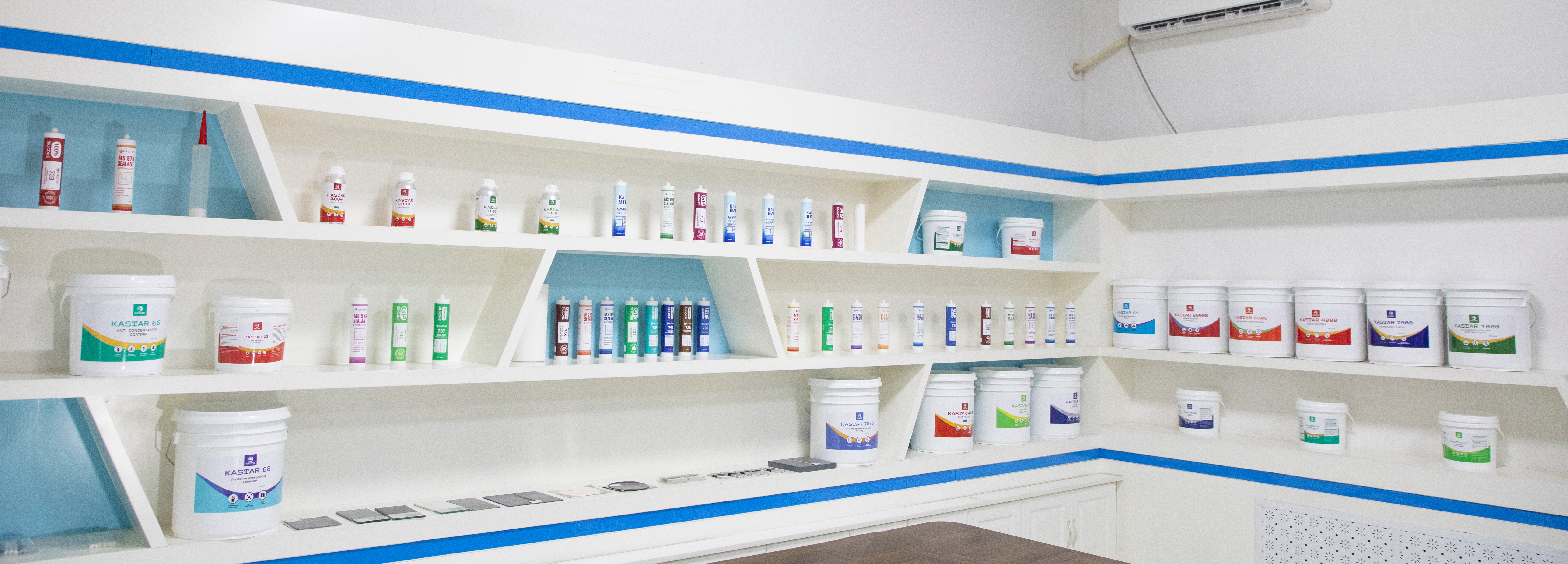
Silicone waterproof coating for building roofs and related scopes is specified across a range of project conditions. The same product family is applied in roof waterproofing, exterior wall waterproofing, expansion joint sealing, and bathroom waterproofing, with roof waterproofing and exterior wall work forming the core of commercial construction programmes.
For large commercial roof decks, the binding constraints are UV resistance and elongation, because the membrane must resist continuous radiation while absorbing daily thermal movement across a wide area. For exterior walls on the same building, weather resistance and crack-bridging ability dominate, since façade surfaces face driving rain and repeated wetting and drying. Expansion joint sealing requires the coating to move with the structure, which is where elongation at break and adhesion preparation become critical. Basement and underground structure waterproofing shifts the emphasis toward continuous coverage and resistance to prolonged moisture exposure. In extreme climates — high temperature, intense UV, and freeze-thaw cycling — the -80°C to 180°C operating range and the 1000-hour UV result define whether the system stays inside its validated envelope.
For export projects, CE-compliant silicone waterproof coating has been widely adopted in EU, North America, and Southeast Asia construction projects, maintaining waterproof performance even under extreme weather conditions. Kastar has exported to 69 countries and regions and serves more than 1000 customers, with main markets that include the United States, Canada, Australia, and New Zealand.
Comparison Table: Constraint Checklist for Silicone Waterproof Coating
The table below converts the specification discussion into a checking format. The right-hand column lists documented values for Kastar 4000 Silicone Waterproof Coating, so a specifier can compare a submitted offer against a known baseline.
| Project constraint | What the specifier must verify | Documented value — Kastar 4000 Silicone Waterproof Coating |
|---|---|---|
| Film build and material consumption | Solid content | 98% |
| Crack-bridging under thermal movement | Elongation at break | ≥200% |
| Mechanical resistance | Tensile strength | ≥1.2 MPa |
| Continuous UV exposure | UV resistance test duration | 1000 h with no cracking or peeling |
| Hot and cold surface service | Operating temperature range | -80°C to 180°C |
| Design life and replacement cycle | Outdoor service life | ≥25 years |
| EU market access | CE certificate number, issuer, validity, standards | ICR/VC/HS260188, issued by ICR, valid 2026-01-16 to 2031-01-15; EN 15651-1:2017, EN 998-1:2016, EN 13300:2001+AC:2002 |
| Factory quality system | Third-party certifications held | ISO 9001, SGS, REACH, CE |
| Order threshold | Minimum order quantity | 100 buckets |
| Programme planning | Lead time | 15–20 days |
| Project-specific adaptation | Available customization | Color, viscosity, packaging, formulation |
| Supply scale | Monthly and annual capacity | Monthly capacity 30,000 tons; annual output 300,000 tons |
Frequently Asked Questions
Is Kastar 4000 Silicone Waterproof Coating CE certified for commercial roofing projects in Europe?
Yes. For the European market, Kastar 4000 Silicone Waterproof Coating holds CE certification issued by ICR under certificate number ICR/VC/HS260188. The certification applies to the Europe market, covers the Kastar 4000 Silicone Waterproof Coating product, and is valid from January 16, 2026 to January 15, 2031. It confirms compliance with EN 15651-1:2017, EN 998-1:2016, and EN 13300:2001+AC:2002. Specifiers should quote the certificate number and expiry date directly in the submittal package rather than referencing "CE certified" generically.
What construction guidance and on-site technical support can a supplier provide for large roofing projects?
Kastar provides professional engineers for one-on-one construction guidance, one-on-one after-sales service, and on-site technical support for large projects. Kastar also operates as an OEM/ODM manufacturer with customization across color, viscosity, packaging, and formulation, so guidance can be aligned with the specific formulation supplied. On a commercial roof, this support covers substrate preparation, adhesion strategy, joint and penetration detailing, recommended application tools such as brush, roller, or spray gun, and inspection points before the membrane is closed.
What determines the cost of a silicone waterproof coating for a commercial roofing project?
Cost in this category is driven by raw material grade and silicone polymer content, solids content, the certification route required for the destination market, packaging format, customization requirements such as color, viscosity, or formulation adjustment, total order quantity, and delivery logistics. Order structure matters too: the minimum order quantity for Kastar 4000 Silicone Waterproof Coating is 100 buckets, and lead time is 15–20 days. Because outdoor service life is documented as ≥25 years, cost should be assessed against the replacement cycle it avoids, not against a single purchase price alone.
How can a project team validate the product before full-scale application?
Validation normally combines supplier-side testing evidence with project-side checks. Kastar applies 12 production and testing processes from production to delivery, with batch sample testing to ensure quality throughout the entire process, and a 100% test regime listed under its capability specification. Testing takes place in a 1000 m² China Metrology Accreditation (CMA) certified sealing material testing laboratory with 16 testing personnel and over 100 testing instruments and equipment, and Kastar maintains a dedicated sample room. Project teams can contact Kastar directly to discuss validation requirements, batch documentation, and the specification values they need confirmed before application.
What are the lead time and minimum order quantity for bulk supply?
For Kastar 4000 Silicone Waterproof Coating, the minimum order quantity is 100 buckets and lead time is 15–20 days. This is supported by a monthly capacity of 30,000 tons and an annual output of 300,000 tons, with fully automated packaging equipment, 100% brand new packaging, strong sealing, and a long shelf life. Project teams planning a commercial roofing programme can send the roof area, expected application window, and destination market to confirm scheduling and packaging requirements in advance; the full product and capability documentation is available through the brochure linked at the end of this guide.
Conclusion: Specification Discipline Beats Product Claims
A commercial roofing specification works when it states what the membrane must survive, which certificate proves compliance for the destination market, how the product will be kept intact on site, and who will support the applicator during installation. Silicone waterproof coating earns its place in roofing specifications because it addresses UV exposure, thermal movement, and long outdoor service life at the same time — but only when those requirements are written down as constraints.
Kastar 4000 Silicone Waterproof Coating provides a documented baseline for that specification: 98% solid content, elongation at break of ≥200%, tensile strength of ≥1.2 MPa, UV resistance of 1000 h with no cracking or peeling, an operating range of -80°C to 180°C, and an outdoor service life of ≥25 years, backed by CE certification ICR/VC/HS260188 for the European market and by ISO 9001, SGS, and REACH certification.
Next step for contractors and project managers
Send your roof scope, destination market, and application window to Kastar, and request a project-specific recommendation covering formulation, packaging, delivery scheduling, and on-site construction support.
Email: paint4566@kastarpaint.com | Tel / WhatsApp: +86 15974221507 | Website: www.kastarcoating.com
Download the full product and capability brochure: Kastar brochure (PDF)