- FAQ
- 777
What Is Silicone Waterproof Coating? Chemistry, Uses & Proven Reliability
Silicone waterproof coating explained: siloxane chemistry, moisture cure, roof, wall and basement uses, documented parameters, and how Kastar patents and a 1000 m² CMA lab validate performance.
What Is Silicone Waterproof Coating? Chemistry, Uses & Proven Reliability
Silicone waterproof coating is a liquid-applied waterproofing product whose binder is a silicone (siloxane) polymer. Brushed, rolled or sprayed onto a prepared substrate, it cures in place into a continuous elastic membrane that resists water penetration on roofs, exterior walls, basements, bathrooms and balconies. The cured film is designed to stretch and recover with the structure rather than crack under thermal movement, and the silicone backbone is selected for long outdoor exposure under UV and repeated temperature cycling.
Most buyers arrive at this category with a specification problem rather than a chemistry problem. The phrase “silicone waterproof coating” appears on many data sheets, but the numbers behind it — solids content, elongation, tensile strength, UV ageing, certificate scope — decide whether the membrane still performs in year ten. This guide explains the chemistry, the applications where silicone coatings make sense, the parameters worth locking into a specification, and the evidence a distributor, contractor or private-label brand should request before committing to a bulk order.
It also explains how an OEM/ODM manufacturer such as Kastar Adhesives Technologies Co., Ltd converts that chemistry into a reproducible product. Kastar is a China-based manufacturer of coatings, paints, sealants and adhesives, operating a 150,000 m² facility, holding an invention patent for a device/process for silicone waterproof coatings, and running a 1000 m² CMA-certified sealing material testing laboratory used to validate waterproofing claims.
The Short Answer: What Silicone Waterproof Coating Is
In one sentence: it is a silicone-based, film-forming waterproofing coating applied as a liquid and cured on site into a seamless elastomeric membrane. Three characteristics define the category.
- Silicone binder. The film-forming polymer is a siloxane rather than an acrylic, vinyl or urethane resin. The silicon–oxygen backbone is stable against UV, oxidation and temperature extremes, which is why silicone chemistry is used where long outdoor exposure is expected.
- Seamless membrane. There are no laps, joints or welds. Continuity is the main reason liquid-applied coatings are specified for roofs with penetrations, parapets and complex detailing.
- Elastic recovery. Documented properties for the Kastar 4000 Silicone Waterproof Coating include elongation at break ≥200% and tensile strength ≥1.2 MPa, allowing the membrane to accommodate movement in the substrate instead of splitting.
The term is sometimes used loosely, so the useful definition for procurement is narrower: a coating whose waterproofing performance comes from a silicone elastomeric film, backed by a technical data sheet and test evidence for the specific SKU being quoted.
Problem Definition: What Fails When Waterproofing Is Chosen Only on Price
Waterproofing failures rarely come from one dramatic event. They accumulate from a small set of recurring mechanisms, and silicone coatings are designed around them.
- Thermal and structural movement. Roofs and facades expand and contract daily. Rigid or low-elasticity films develop hairline cracks at stress points, and water finds them at the first driving rain.
- UV and weathering. Exposed surfaces receive continuous UV and temperature cycling. Films that chalk, embrittle or lose elasticity stop bridging cracks even though the coating is still physically present.
- Standing water and hydrostatic pressure. Poor drainage or below-grade conditions push water against the membrane continuously, so water vapour transmission and adhesion matter as much as thickness.
- Under-thickness application. A system specified at 1 mm but applied at 0.4 mm will not deliver the documented service life, regardless of the polymer used.
- Unverifiable chemistry claims. Buyers are often asked to accept “silicone” as a guarantee without solids content, elongation, UV ageing data or a certificate whose scope matches the product.
The decision rule that follows is straightforward: match the chemistry to the exposure, then demand test evidence and certificate scope for the exact product being purchased — not for the category in general. That is the point where a specifier moves from evaluation into execution.
Industry Background: Why Silicone Chemistry Sits at the Center of Modern Waterproofing Specifications
Two independent signals frame this category: market direction and technical standards.
What the market data shows
Commercial research published by Market.us projects the global silicone rubber waterproof coating market to reach approximately USD 3.5 billion by 2034, and reports that Asia-Pacific accounted for a 45.9% revenue share in 2024. These figures describe commercial research estimates for the category, not the value of any single order, but they explain why sourcing conversations increasingly involve Asian manufacturers with dedicated silicone coating lines rather than traders reselling generic waterproofing products.
What standards require
Performance expectations are increasingly written rather than assumed. ASTM D6694/D6694M-25 sets minimum thresholds for liquid-applied silicone roof coatings of 150 psi tensile strength and 100% elongation. In Europe, CE marking for construction products is tied to harmonised standards rather than to a marketing claim. Kastar's CE certificate ICR/VC/HS260188, issued by ICR on 16 January 2026 and valid to 15 January 2031, references EN 15651-1:2017, EN 998-1:2016 and EN 13300:2001+AC:2002 for the Kastar 4000 Silicone Waterproof Coating.
Standards participation is a second, less visible signal. Kastar is a participant in the formulation of Chinese standards for silicone waterproof coatings and a drafting unit for five Chinese group standards, and the company states it is an initiator and formulator of Chinese standards for silicone sealants. For a buyer, this matters less as an award and more as an indicator that the manufacturer works with the test methods and definitions used in specifications.
The Chemistry: What “Silicone” Actually Means Inside a Waterproof Coating
The siloxane backbone
The defining feature is a polymer chain built on silicon–oxygen (siloxane) bonds with organic side groups. That backbone is what separates silicone coatings from acrylic and polyurethane systems: it is highly resistant to UV-driven chain scission and to oxidation, so the film does not depend on stabiliser packages alone to survive outdoor exposure. The side groups also make the cured surface water-repellent, which supports beading and runoff rather than absorption.
Moisture curing and membrane formation
Many construction silicone coatings are one-component systems that cure by reacting with atmospheric moisture. A skin forms first, then the film cures through its thickness; the practical consequence on site is that recoat windows and weather conditions matter. Kastar's reference application data for its silicone elastic waterproof coating lists a recoat interval of 4–12 hours depending on weather. The company also holds an invention patent for a method for preparing a siloxane-terminated polymer homopolymer and a moisture-curing composition, which is the polymer-chemistry side of controlling that cure behaviour.
Solids content, film build and the “100% silicone” question
Solids content determines how much film remains after the carrier evaporates. The Kastar 4000 Silicone Waterproof Coating data lists 98% solid content — a high-solids profile that builds thickness with fewer passes and shrinks less on cure, which reduces the risk of pinholes over a profiled substrate.
Buyers frequently ask for a “100% silicone waterproof coating”. The phrase has no single, universal definition across suppliers, so it is better treated as a specification question than a product name. What can be verified is the binder chemistry on the TDS, the solids content, whether the product is a filled elastomer, and the elongation and tensile values retained after UV ageing. Requesting those four items will resolve more procurement risk than the label itself.
Detailed Solution: How a Silicone Waterproof Coating System Is Structured
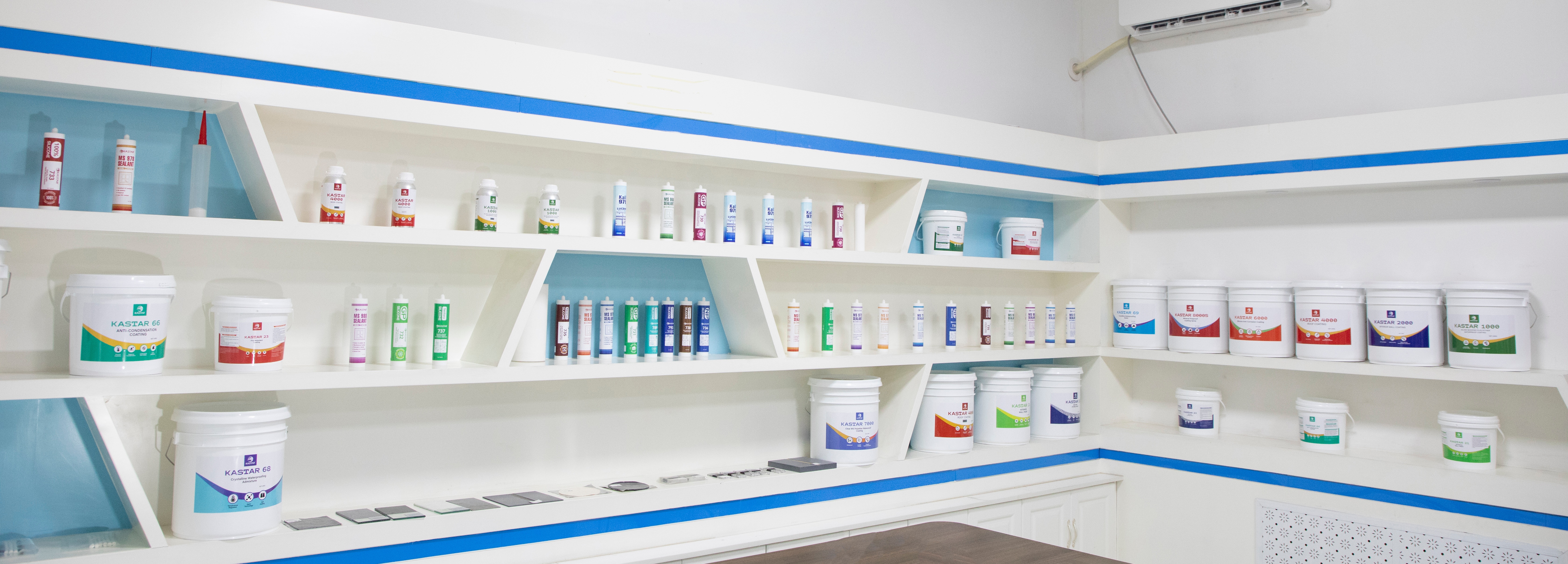
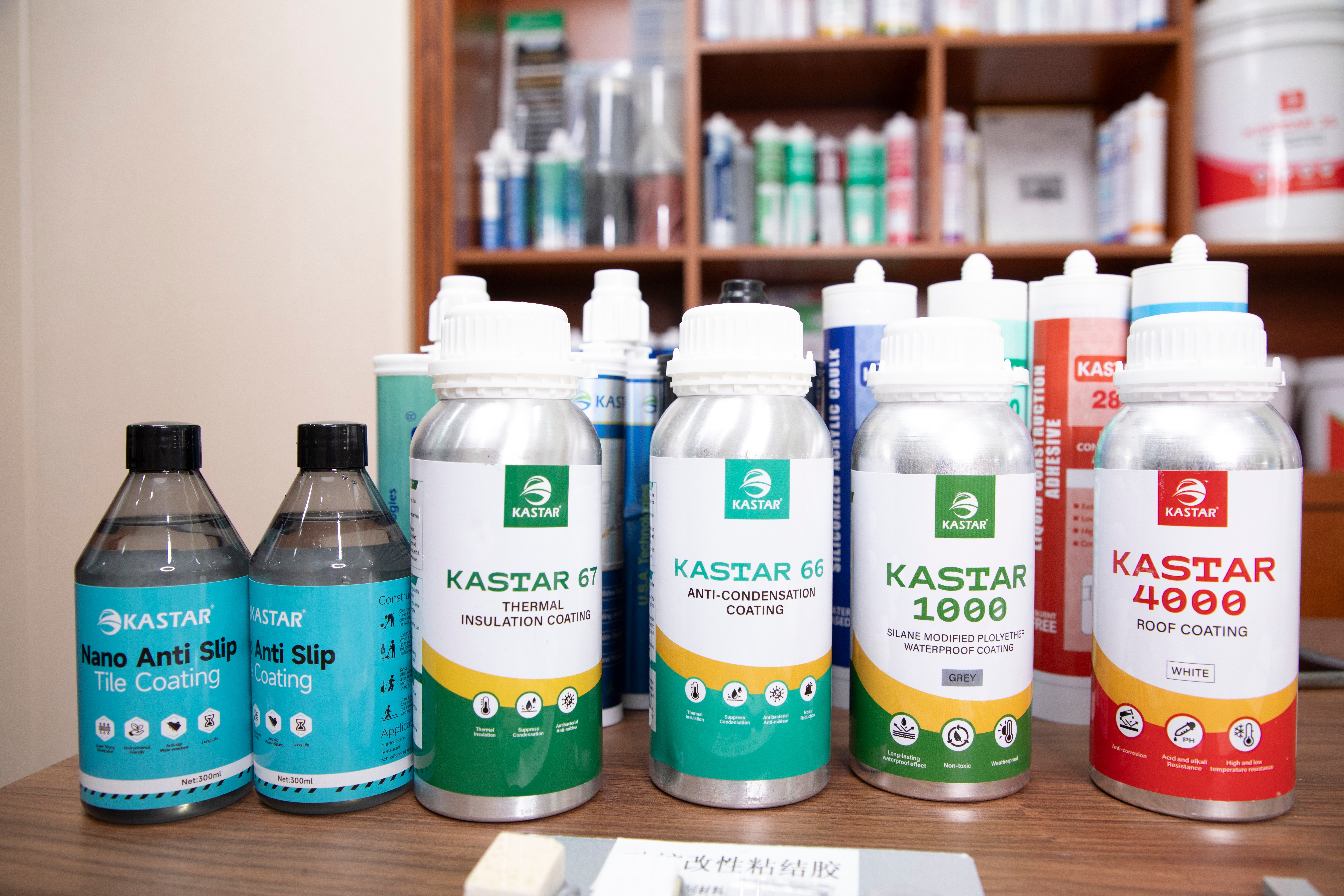
A silicone waterproofing system is not a single generic liquid. It is a product family matched to exposure, plus an application method and a documented performance envelope. Kastar's silicone waterproofing range includes the Kastar 4000 Silicone Waterproof Coating, a one-component silicone waterproof coating described as UV-resistant and developed for exposed building roofs, and the Kastar 3000 Silicone Elastic Exterior Wall Waterproof Coating for facade work.
The documented performance envelope of the Kastar 4000 material is the practical answer to “what does the chemistry actually deliver”:
| Documented property | Value | Why it matters in a specification |
|---|---|---|
| Product type | One-component silicone waterproof coating, UV-resistant | Defines cure mechanism and site conditions needed |
| Binder material | Silicone | Links the product to siloxane weathering behaviour |
| Solid content | 98% | Film build per coat, shrinkage and pinhole risk |
| Elongation at break | ≥200% | Ability to bridge cracks and follow thermal movement |
| Tensile strength | ≥1.2 MPa | Mechanical integrity of the cured membrane |
| UV resistance | 1000 h, no cracking or peeling | Direct evidence for exposed roof and facade service |
| Operating temperature | −80 °C to 180 °C | Suitability across extreme climate zones |
| Outdoor service life | ≥25 years | Basis for lifecycle comparison against recoating cycles |
| Application methods | Brush, roller, spray | Fit with contractor equipment and access constraints |
Source: Kastar product data for the Kastar 4000 Silicone Waterproof Coating. Confirm current values against the TDS issued with your quotation.
Two engineering consequences follow. First, elongation above 200% combined with a tensile figure in the MPa range gives a membrane that can move without losing continuity — the reason silicone systems are chosen over rigid cementitious coatings on large roof areas. Second, the 1000-hour UV result addresses the failure mode buyers actually experience on roofs: a film that is still present but no longer elastic.
Step-by-Step Breakdown: From Substrate to Cured Membrane
Coatings do not fail because the polymer is wrong; they fail because the sequence is skipped. The application sequence below follows Kastar's published reference method for its silicone elastic waterproof coating, which lists scratch coating, rolling and spray application, a reference dosage of about 1 kg/m² per coat, generally two coats, a total film thickness of 0.8–1 mm, and a recoat interval of 4–12 hours depending on weather.
- Classify the exposure. Confirm whether the area is an exposed roof, a facade, a wet area or a below-grade structure, and confirm drainage, since ponding changes the design assumption.
- Assess and repair the substrate. Remove loose material, treat cracks and honeycombing, and confirm the substrate is sound enough to receive a membrane. Mechanical defects cannot be corrected by coating thickness.
- Clean and prepare. Remove dust, oil, release agents and biological growth; masking and edge termination are set at this stage so the membrane finishes on a defined line.
- Apply the scratch or prime coat. This improves wetting and adhesion on absorbent mineral substrates and closes surface porosity before the build coat.
- Apply the first full coat. Roller, brush or spray, at the reference dosage of approximately 1 kg/m², working details, penetrations and upstands first.
- Respect the recoat window. Second coat within the 4–12 hour interval indicated by the manufacturer, adjusted for temperature, humidity and wind; over-cured films may need surface preparation before recoating.
- Build to total thickness. Two coats at the reference dosage produce 0.8–1 mm total. Thickness is the variable most often reduced on site and the one most directly linked to service life.
- Cure, inspect and document. Record consumption per square metre, ambient conditions, batch numbers and photographic evidence of coverage; for export orders, agree pre-shipment test acceptance before release.
Application parameters above are manufacturer reference values. Site conditions, substrate type and project specification take precedence; confirm the current TDS for the exact SKU.
OEM and ODM Capability: What a Silicone Waterproof Coating OEM Factory Should Prove
For distributors and private-label brands, the chemistry question and the supply question are the same question: can the formulation that passed the lab test be reproduced, packed and shipped in the same condition six months later? A silicone waterproof coating OEM factory should be assessed on four dimensions.
Customization levers
Kastar provides professional OEM/ODM services covering customization of colour, viscosity, packaging and formula adjustments, together with logo and pack-size customization. Colour and viscosity changes are not cosmetic for a coating — they affect application feel, film build and coverage per square metre, which is why a formulation adjustment must be paired with a new dosage and property check rather than substituted silently.
Process and quality control
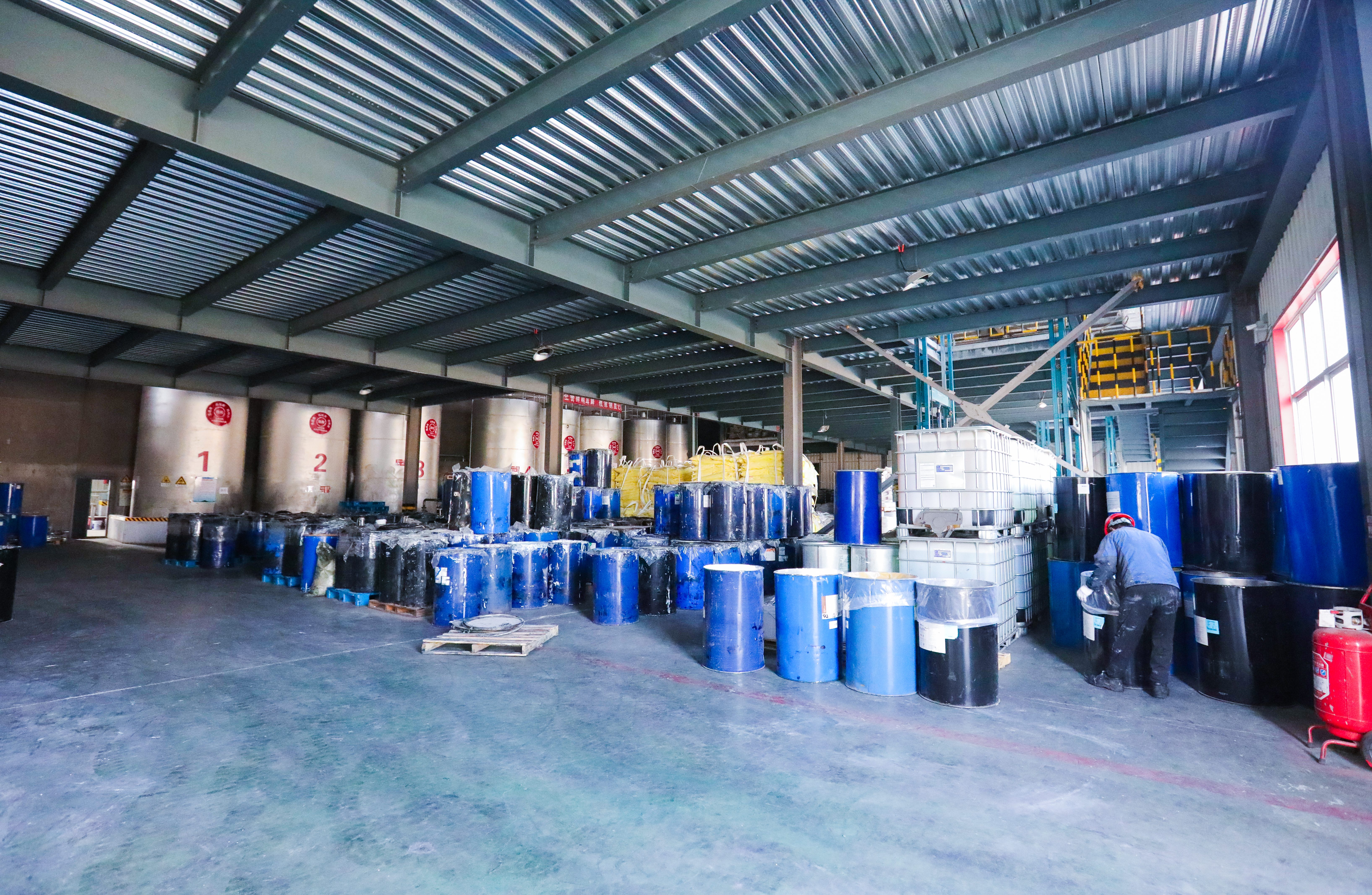
From production to delivery, the product passes through twelve production and testing processes, with batch sample testing used to confirm quality across the run. Kastar states 100% testing and uses fully automated packaging equipment developed and produced in-house, with new packaging and strong sealing to support shelf life — a detail that matters for buyers holding inventory in humid climates.
R&D depth
Kastar operates three national-level R&D laboratories in China dedicated to silicone resins, silicone coatings and MS coatings, staffed by 28 technical R&D personnel, and reports joint development work with Tsinghua University alongside annual technical iteration. The company holds an invention patent for a device/process for silicone waterproof coatings and an invention patent for a device/process for MS waterproof coatings, in addition to the siloxane-terminated polymer patent already described.
Commercial and track record
Kastar reports OEM production for more than 600 clients, exports to 69 countries and regions, more than 1,000 customers, and 19 years as an Alibaba Gold Supplier, with a documented lead time of 15–20 days. Supply terms are quoted FOB or CIF, with 30/70 payment terms and pre-shipment testing used as the acceptance criterion on the procurement sheet. Technical support is provided one-to-one by engineers on construction method, backed by remote after-sales support and on-site assistance for large projects.
What to verify before an OEM commitment: certificate scope matched to the exact SKU; a batch test report rather than a single type-test; the agreed dosage per square metre written into the purchase order; packaging format and shelf-life statement; and written confirmation of which customization levers affect the declared properties.
Use Cases: Where Silicone Waterproof Coating Performs
The same chemistry is applied differently depending on exposure. Kastar's silicone waterproofing product is used for roof waterproofing, exterior wall waterproofing, bathroom and balcony waterproofing, and basement and underground structure waterproofing, and has been used by OEM waterproof coating suppliers, building material distributors, construction contractors and roofing contractors.
Roofs
Exposed roofs combine UV, thermal cycling and standing water — the three conditions that punish low-elasticity films. The Kastar 4000 grade is developed specifically for exposed building roofs, and its documented 1000-hour UV result without cracking or peeling is the relevant evidence for this application rather than general category claims.
Exterior walls
Facades fail through rain penetration at cracks, joints and window interfaces. A seamless elastic membrane over a prepared wall addresses hairline movement cracks, and the Kastar 3000 grade is the exterior-wall product in the range. Detailing at sills and terminations matters more than the flat field, and should be specified explicitly.
Basements and underground structures
Below-grade work introduces hydrostatic pressure and limited access for repair. Membrane continuity and adhesion are the priorities; because drainage design and backfill conditions vary widely by project, below-grade use should always be confirmed against the project specification rather than assumed from a roof-grade data sheet.
Bathrooms and balconies
Wet areas demand continuity around drains, pipes and thresholds. Liquid application is an advantage here because the membrane can follow geometry that sheet membranes cannot. Project implementations have been recorded in Australia, Canada, the United States and multiple countries across Europe, Asia and the Americas.
Comparison: Documented Parameters and Category Positioning
The table below positions silicone chemistry against the two materials most often quoted as alternatives. It describes general category behaviour, not the performance of any specific branded product, and it is not a ranking; the only reliable comparison is between supplier TDS values and third-party test reports for the products actually offered.
| Attribute | Silicone waterproof coating | Acrylic waterproof coating | Polyurethane waterproof coating |
|---|---|---|---|
| Binder chemistry | Siloxane polymer | Acrylic polymer dispersion | Urethane polymer |
| UV and weathering behaviour | Backbone resistant to UV-driven degradation; Kastar 4000 documented at 1000 h without cracking or peeling | Generally good initial colour retention; long-term elasticity under UV should be verified from ageing data | Weathering behaviour depends on the specific grade; request UV ageing data |
| Elastic recovery | Documented elongation ≥200% on the Kastar 4000 grade | Typically lower permanent elasticity in high-movement exposure; confirm values | High mechanical toughness; confirm elongation for the grade |
| Application and cure sensitivity | One-component moisture cure; 4–12 h recoat interval referenced for Kastar silicone elastic coating | Waterborne drying; sensitive to low temperature and high humidity during film formation | Moisture-cure grades are sensitive to substrate moisture and ambient humidity |
| Typical best fit | Exposed roofs, facades, wet areas, below-grade structures where movement and UV coincide | Facade aesthetics and lower-movement substrates | Areas requiring high mechanical toughness and abrasion resistance |
| What to request from the supplier | TDS, solids content, elongation and tensile after UV ageing, certificate scope | Elongation, UV ageing and adhesion data | Elongation, adhesion and substrate moisture tolerance |
Category-level characterisation for specification discussion only. No competitor product is evaluated or ranked here; verify every value against the supplier's own documentation.
Proven Reliability: How Performance Claims Are Validated
Reliability in this category is an evidence chain, not an adjective. At Kastar it consists of four links.
1. A testing laboratory with defined accreditation
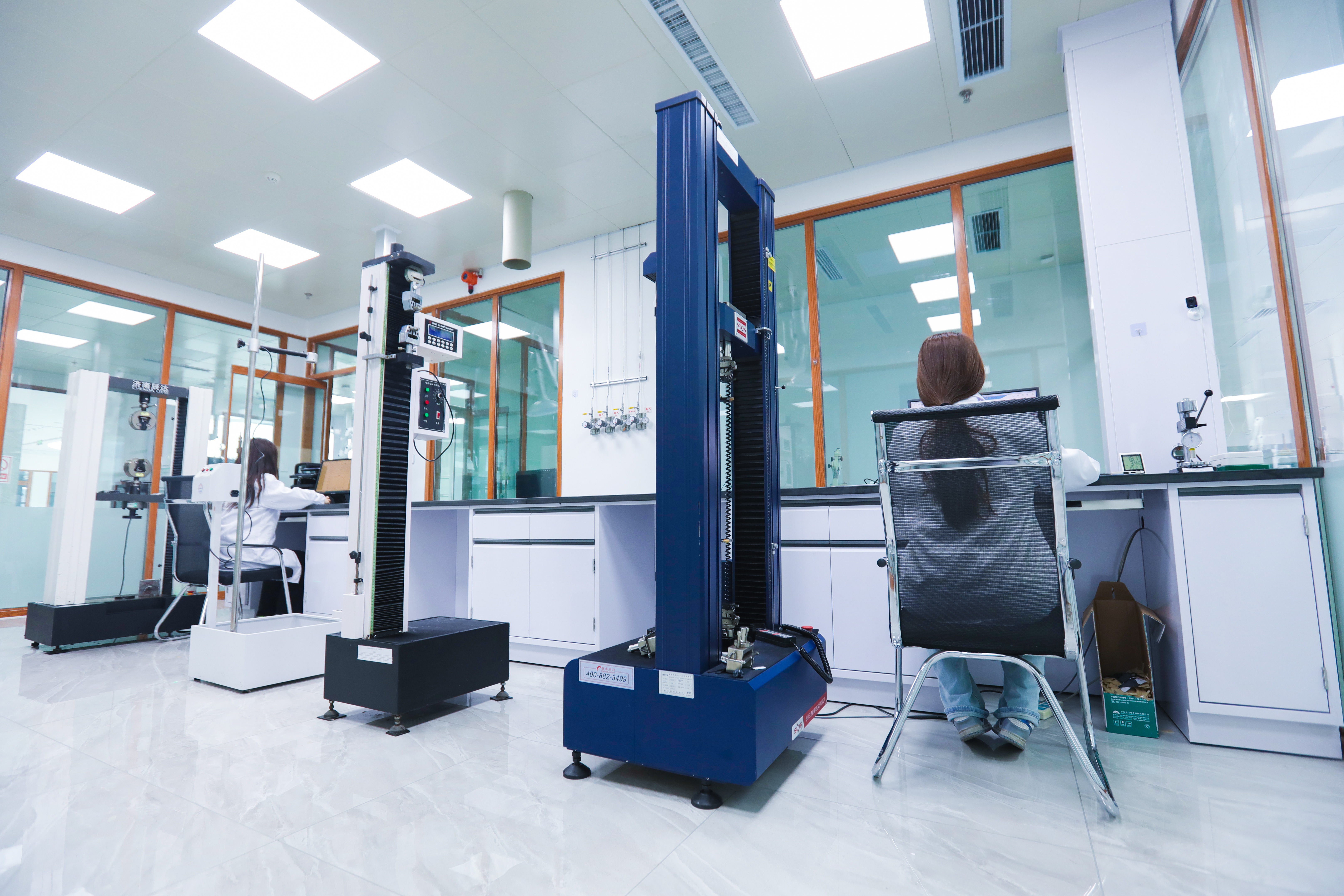
Kastar operates a 1000 m² sealing material testing laboratory accredited under China Metrology Accreditation (CMA), staffed by 16 testing personnel and equipped with more than 100 testing instruments and equipment. This is where waterproofing claims are validated — raw material checks, in-process controls, finished-product testing and retained batch samples. For a buyer, the value is traceability: a batch result can be reproduced against a retained sample.
2. Patents covering both product and production
Kastar holds an invention patent for a device/process for silicone waterproof coatings, an invention patent for a method for preparing a siloxane-terminated polymer homopolymer and a moisture-curing composition, and an invention patent for a device/process for MS waterproof coatings. Production-side patents are the less discussed half of consistency: dispersion and dosing control determine whether the formulation in the lab and the formulation in the drum are the same product.
3. Certification and standards alignment
Factory certification includes ISO9001, and products are stated to have passed ISO9001, CE, SGS and REACH certification. For European projects, the CE certificate ICR/VC/HS260188 from ICR identifies the harmonised standards applied and carries a validity period from 16 January 2026 to 15 January 2031. Compliance screening should still confirm that the certificate's product scope covers the SKU being ordered, since scope is where most paperwork gaps appear.
4. Field record and a stated limit
Documented project implementation covers Australia, Canada, the United States and multiple countries across Europe, Asia and the Americas, with use by OEM waterproof coating suppliers, distributors, contractors and roofing contractors, and an outdoor service life stated at 25 years or more for the Kastar 4000 grade. The honest limitation is that no coating outlives its application: substrate preparation, achieved film thickness of 0.8–1 mm, recoat timing and detail work determine whether the documented properties are realised on a specific roof. Reliability evidence should therefore be read together with an application method and an inspection record.
Frequently Asked Questions
Which standards and certificates should a silicone waterproof coating carry?
For European construction projects, CE marking should reference harmonised standards rather than a general claim. Kastar's CE certificate ICR/VC/HS260188, issued by ICR and valid from 16 January 2026 to 15 January 2031, references EN 15651-1:2017, EN 998-1:2016 and EN 13300:2001+AC:2002 for the Kastar 4000 Silicone Waterproof Coating. For US roof work, ASTM D6694/D6694M-25 sets minimum thresholds of 150 psi tensile strength and 100% elongation for liquid-applied silicone roof coatings. Factory-level documentation typically includes ISO9001, with SGS and REACH also listed. Always confirm that the certificate scope names the SKU you are buying.
Can a silicone waterproof coating be customized for an OEM or ODM brand?
Yes. Kastar provides professional OEM/ODM services covering customization of colour, viscosity, packaging and formula adjustments, together with logo and pack-size customization, and reports OEM production for more than 600 clients across exports to 69 countries and regions. Customization is supported by three national-level R&D laboratories dedicated to silicone resins, silicone coatings and MS coatings, staffed by 28 technical R&D personnel. Because colour, viscosity and formulation changes can shift coverage and film properties, each adjustment should be paired with a dosage and property re-check rather than treated as a packaging-only change.
What drives the material cost per square metre?
Material cost is governed by consumption rather than by price per kilogram alone. Kastar's reference data for its silicone elastic waterproof coating indicates approximately 1 kg/m² per coat, generally two coats to reach 0.8–1 mm total thickness. A high-solids product such as the Kastar 4000 grade at 98% solids builds film with fewer passes and shrinks less, which changes the effective cost per square metre even before packaging, freight and testing scope are considered. The reliable way to compare quotations is to state surface area, target film thickness, packaging format and required test documentation, then compare delivered system cost rather than drum price.
How should a sample be validated before a bulk order?
Validate the sample against the same criteria used for the production order: confirm solids content and viscosity, apply to a representative substrate at the reference dosage of about 1 kg/m² per coat, observe film formation and the 4–12 hour recoat window under local conditions, and check the elongation, tensile and UV resistance values against the TDS. Kastar's 1000 m² CMA-accredited laboratory, with 16 testing personnel and over 100 instruments, supports batch sample testing and retained-sample traceability. For export orders, the procurement sheet lists pre-shipment testing as the acceptance criterion, so the sample stage is the right moment to agree that test scope in writing.
What is the production lead time, and what support follows the order?
Kastar's documented lead time is 15–20 days, with FOB or CIF delivery terms and 30/70 payment terms on the procurement sheet. After shipment, professional engineers provide one-to-one guidance on construction method, professional customer service handles after-sales enquiries, and on-site technical support is available for large projects. To start a sample or quotation request, contact the technical team at paint4566@kastarpaint.com or WhatsApp +86 15974221507, and review the full Kastar product brochure (PDF) for the current range.
Conclusion
Silicone waterproof coating is best understood as a chemistry decision with a documentation requirement attached. The siloxane backbone provides UV and thermal stability; the one-component moisture cure produces a seamless elastic membrane over roofs, facades, wet areas and below-grade structures; and the documented performance envelope — 98% solids, elongation ≥200%, tensile strength ≥1.2 MPa, 1000-hour UV exposure without cracking or peeling, and an outdoor service life stated at 25 years or more for the Kastar 4000 grade — is what turns the chemistry into a specification line.
Reliability, in turn, is what a manufacturer can show: a 1000 m² CMA-accredited testing laboratory with 16 testing personnel and over 100 instruments, twelve production and testing processes with batch sample testing, invention patents covering both the silicone waterproof coating production process and the siloxane-terminated polymer chemistry, CE certificate ICR/VC/HS260188 referencing EN 15651-1:2017, EN 998-1:2016 and EN 13300:2001+AC:2002, and participation in Chinese standard formulation for silicone waterproof coatings.
For a distributor or contractor moving from evaluation to execution, the next step is narrow and practical: confirm the SKU, the film thickness, the test documentation and the OEM/ODM customization scope in writing, then validate a sample before the bulk order is released.
Request a Sample, Quotation or OEM/ODM Proposal
Kastar Adhesives Technologies Co., Ltd supplies silicone waterproof coatings for distributors, contractors and private-label brands, with OEM/ODM customization of colour, viscosity, packaging and formulation, a documented 15–20 day lead time, and batch testing in a 1000 m² CMA-accredited laboratory.
Email: paint4566@kastarpaint.com · WhatsApp: +86 15974221507 · Website: www.kastarcoating.com
Download the full catalogue and technical documents: Kastar product brochure (PDF).